
Enjoy Your Tea and Coffee Safely: The Crucial Temperature Guide to Prevent Esophageal Cancer

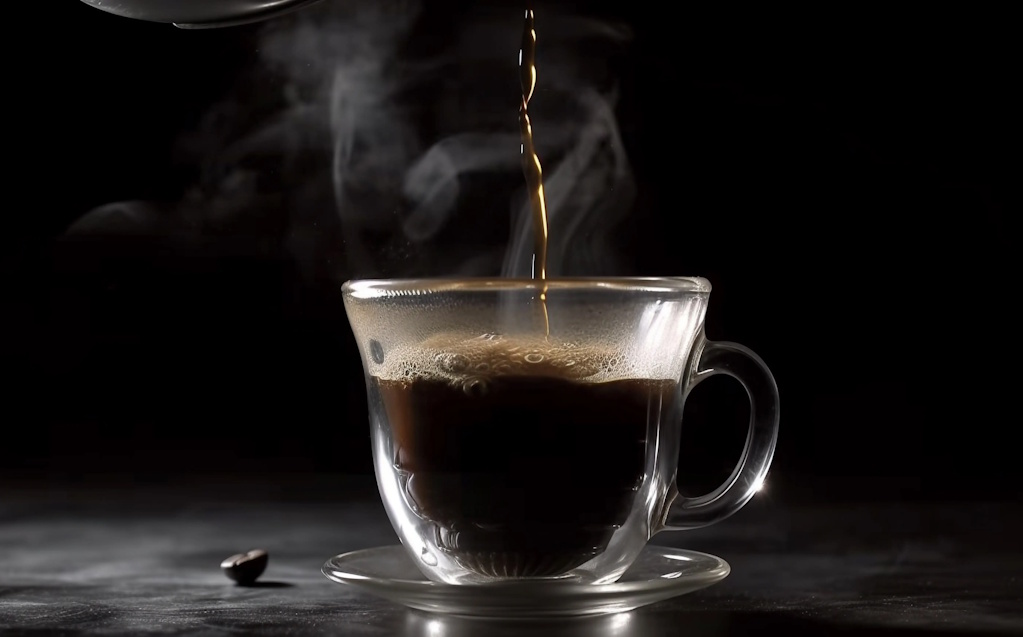
For many, a steaming cup of tea or coffee is a cherished ritual—a comforting warmth that soothes the soul and energizes the body. Yet, this common habit harbors a hidden risk that often goes unnoticed: the danger of drinking beverages that are simply too hot.
Emerging research has established a clear link between consuming very hot drinks and an increased risk of esophageal cancer, turning a moment of comfort into a potential long-term health concern.
The Science Behind the Heat: How Temperature Becomes a Risk
In 2016, the International Agency for Research on Cancer (IARC), a branch of the World Health Organization, classified the consumption of beverages hotter than 65°C (149°F) as “probably carcinogenic to humans.” This finding underscores that the primary risk factor isn’t the drink itself, but its temperature.
This conclusion is supported by global studies. Research from regions like South America (notably regarding the traditional hot maté drink), the Middle East, Africa, and Asia consistently points to the same trend. A significant UK study further quantified this risk, finding that individuals who drank very hot tea or coffee in large quantities—eight cups or more per day—faced an almost six-fold higher risk of esophageal cancer compared to those who did not.
How Does Heat Cause Damage?
The mechanism is one of repeated injury. The esophagus is lined with delicate tissue. Liquids above 65°C can cause thermal injury, scalding and damaging this lining.
-
Chronic Damage Leads to Change: When this scorching happens repeatedly over time, the body is forced to constantly repair the injured cells. This cycle of damage and repair can eventually lead to cellular changes and mutations, paving the way for cancer.
-
Animal studies provide clear evidence: water at approximately 70°C can accelerate the development of pre-cancerous lesions in the esophagus.
-
A Weakened Defense: Furthermore, intense heat can compromise the esophagus’s protective mucosal layer, making it more vulnerable to other irritants, like stomach acid in cases of reflux.
It’s Not Just Temperature: The “How” Matters Too
Your drinking technique significantly influences risk. Two key factors amplify the danger:
-
Volume per Sip: Taking large gulps of a hot liquid is particularly hazardous. It allows a greater volume of scorching fluid to contact the esophageal wall, causing a more pronounced and widespread temperature spike than a small sip would.
-
Speed of Consumption: Drinking quickly doesn’t allow time for the liquid to cool in your mouth, sending it down the throat at a much higher temperature.
In fact, some research suggests that the size of the sip may be an even more critical risk factor than the beverage’s initial temperature alone.
Finding the Sweet Spot: The Safe & Flavorful Temperature
The good news is that you don’t have to give up hot drinks. The goal is to enjoy them at a safer temperature that also preserves flavor. Specialty coffee associations note that the optimal tasting temperature for coffee is between 58°C and 62°C (136°F to 144°F). At this range, the complex flavors are fully perceptible without the bitterness that extreme heat can bring—and it’s below the 65°C danger threshold.
For context, takeaway coffee is often served at temperatures as high as 85°C to 90°C (185°F to 194°F), which requires mindful cooling.
Your Action Plan: 7 Tips for Safer Sipping
You can easily integrate these simple habits to protect your health while enjoying your favorite beverages:
-
The Patient Pause: Always wait 3-5 minutes after pouring from a boiling kettle or before drinking a fresh takeaway cup.
-
Stir and Aerate: Stirring your drink actively lowers the temperature. Blowing gently across the surface before a sip helps too.
-
Open the Lid: For takeaway drinks, removing the lid for a minute allows heat to escape rapidly.
-
Use a Temperature Moderator: Adding a splash of cold milk, cream, or cold water is an instant and effective cooler.
-
Sip, Don’t Guzzle: Make a conscious effort to take small, mindful sips. This allows the liquid to cool in your mouth first.
-
Use a Thermos with a Different Purpose: Pre-cool your drink to the ideal 60°C range, then use a thermos to maintain that perfect warm temperature for longer, rather than storing it scalding hot.
-
Listen to Your Body: If a drink feels too hot in your mouth, it is too hot for your esophagus. Let it cool further.
The Bottom Line
The connection between very hot drinks and esophageal cancer is a compelling reminder that small, daily habits have a cumulative impact on our health. By simply allowing our tea and coffee to cool to a warm, rather than scalding, temperature and adjusting how we drink, we can significantly mitigate this risk.
You can absolutely continue to enjoy the comfort and pleasure of a hot drink—just do it wisely. A small shift in habit ensures your ritual remains a source of comfort, not concern, for years to come.
Our Pashto-Dari Website


Support Dawat Media Center
If there were ever a time to join us, it is now. Every contribution, however big or small, powers our journalism and sustains our future. Support the Dawat Media Center from as little as $/€10 – it only takes a minute. If you can, please consider supporting us with a regular amount each month. Thank you
DNB Bank AC # 0530 2294668
Account for international payments: NO15 0530 2294 668
Vipps: #557320

Comments are closed.