
UN: Mental Health Support Vital for Women and Girls Amid Afghanistan’s Humanitarian Crisis

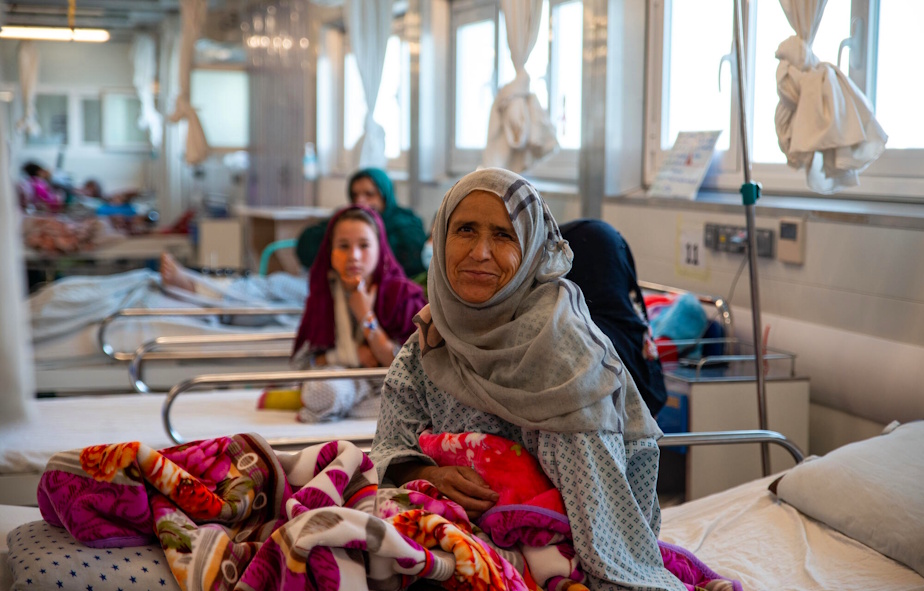
KABUL / NEW YORK – The United Nations Population Fund (UNFPA) has underscored that mental health and counseling services are significantly improving the psychological and social well-being of women and girls in Afghanistan. However, the agency warns that continued humanitarian support is essential to sustain these gains in the face of escalating hardships.
In a report released on Wednesday, UNFPA detailed how counseling programs and support services particularly those integrated into maternal and child care centers have helped women and girls cope with trauma, chronic stress, and daily adversity. The findings indicate measurable improvements in emotional stability, resilience, and overall quality of life among those who received assistance.
Afghanistan remains in the grip of a prolonged humanitarian crisis, exacerbated by economic collapse, severe restrictions on women’s participation in public life, and a near-total ban on secondary and higher education for girls. These conditions have fueled widespread anxiety, depression, and feelings of isolation, with mental health concerns rising sharply across the female population.
According to the UNFPA report, psychological first aid, individual counseling sessions, and the creation of safe, women-only spaces have proven highly effective in reducing fear, anxiety, and other mental health challenges. Such interventions are especially critical for women facing extreme isolation or living in areas with limited access to basic resources.
Beyond crisis counseling, the agency’s psychosocial empowerment programs incorporate stress management training, confidence-building exercises, and self-care techniques. These initiatives are designed not only to alleviate immediate distress but also to help women regain a sense of agency and better navigate ongoing pressures.
Despite these successes, access to mental health services remains severely limited across much of the country. Shortages of trained female mental health professionals, cultural stigmas surrounding psychological distress, and the erosion of civil society infrastructure continue to prevent many women from seeking help. In response, humanitarian organizations have increasingly integrated mental health and psychosocial support into broader aid programs, including health, protection, and nutrition services.
UNFPA stressed that without sustained international funding and political support, these life-saving services could be scaled back or lost entirely. The agency called for continued investment to expand outreach, train more local counselors, and ensure that mental health care becomes a permanent pillar of humanitarian response in Afghanistan.
The report concludes with a growing consensus among aid agencies: mental health care is not a luxury but a core component of humanitarian action—especially in contexts where women and girls face overlapping social, economic, and psychological trauma. Strengthening this support is essential not only for individual recovery but for the long-term resilience of Afghan society as a whole.
Our Pashto-Dari Website
Support Dawat Media Center
If there were ever a time to join us, it is now. Every contribution, however big or small, powers our journalism and sustains our future. Support the Dawat Media Center from as little as $/€10 – it only takes a minute. If you can, please consider supporting us with a regular amount each month. Thank you
DNB Bank AC # 0530 2294668
Account for international payments: NO15 0530 2294 668
Vipps: #557320

Comments are closed.