
Iran Executes Afghan Nationals Amidst Surge in Capital Punishment, Drawing International Condemnation

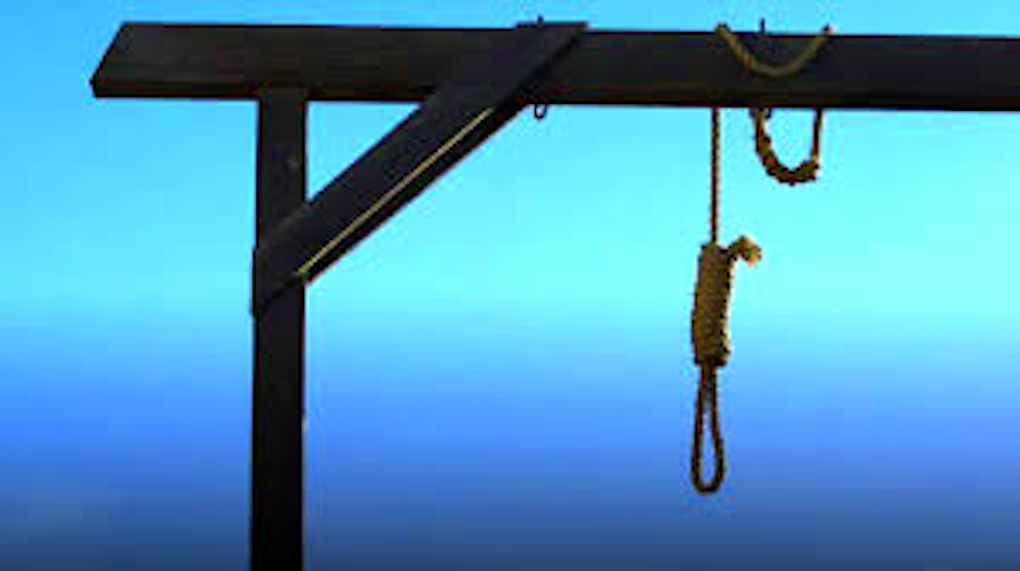
Shiraz, Iran – In a move that has intensified international scrutiny of its human rights record, Iran executed at least a dozen prisoners this week, including an Afghan citizen identified as Nazir. The executions, carried out across multiple cities, have reignited condemnation of Tehran’s prolific use of the death penalty and its treatment of foreign nationals within its judicial system.
According to the Norway-based human rights organization Hengaw, the executions took place on Wednesday, December 24, within prisons in Karaj, Rasht, Bushehr, Shahrekord, Sabzevar, Kashmar, Malayer, and Shiraz. Nazir was put to death at Adelabad Prison in Shiraz. The prisoners had been convicted on charges ranging from “intentional murder” to “drug-related crimes,” though rights groups consistently question the fairness of the trials leading to such sentences.
A Pattern of High Executions and Targeting of Vulnerable Groups
Hengaw’s report underscores a grim annual tally, noting that Iranian authorities have executed at least 1,002 individuals since the start of 2024. Among those, at least 65 were citizens of Afghanistan, pointing to the disproportionate impact on one of Iran’s largest migrant and refugee communities. Afghanistan nationals in Iran often face heightened vulnerability due to precarious legal status, language barriers, limited access to resources, and reported discrimination within the justice system.
Human rights organizations, including Amnesty International and Human Rights Watch, have long accused Iran of employing capital punishment at one of the highest rates in the world, following trials that lack fundamental due process. Criticisms center on the systematic use of torture to extract confessions, denial of access to independent legal counsel, opaque court proceedings, and the imposition of the death penalty for charges that do not meet the international legal threshold of “most serious crimes,” such as drug offenses.
International Reaction and Calls for Reform
The latest executions have prompted fresh calls for action from the international community. UN human rights experts and Western governments have repeatedly urged Iran to institute an immediate moratorium on executions, particularly for non-violent crimes.
“The execution of Nazir and hundreds of others this year reflects a deeply disturbing disregard for the right to life and fair trial guarantees,” stated a spokesperson for Hengaw. “The targeting of Afghan nationals, a marginalized group, is especially alarming.”
Human rights advocates stress that the issue extends beyond capital punishment alone, highlighting systemic problems within Iranian prisons. Reports detail poor conditions, overcrowding, medical neglect, and the repression of dissent, with foreign prisoners often having even less recourse to advocate for their rights.
Iran’s Stance and Regional Context
Iranian authorities defend their judicial policies as matters of national sovereignty and necessary enforcement of domestic law. Officials argue that capital punishment is a legal deterrent for serious crimes and is carried out only after exhaustive judicial review—a claim robustly contested by international monitors.
The executions occur within a tense regional context and ongoing domestic unrest in Iran. Observers note that the judicial system is frequently used to suppress political opposition and instill fear, with ethnic minorities and non-citizens constituting a significant percentage of those executed.
As the number of executions in 2024 surpasses the grim milestone of one thousand, human rights groups are amplifying their demand for transparent judicial reforms, adherence to international law, and an end to what they describe as the state-sanctioned killing of vulnerable individuals. The case of Nazir has become another stark symbol in this ongoing struggle.
Our Pashto-Dari Website

Support Dawat Media Center
If there were ever a time to join us, it is now. Every contribution, however big or small, powers our journalism and sustains our future. Support the Dawat Media Center from as little as $/€10 – it only takes a minute. If you can, please consider supporting us with a regular amount each month. Thank you
DNB Bank AC # 0530 2294668
Account for international payments: NO15 0530 2294 668
Vipps: #557320

Comments are closed.