
The US deported a second group of Iranian nationals, sending 55 people back to Iran

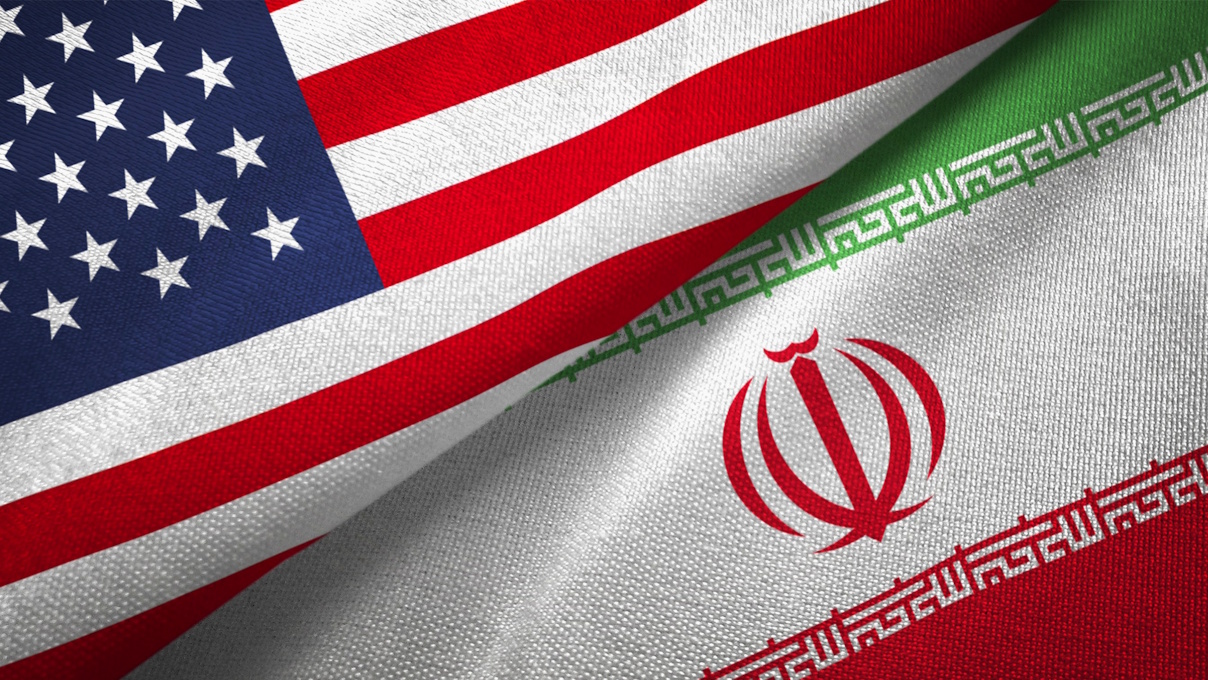
The United States has carried out a second major deportation flight to Iran, as 55 Iranian nationals are set to be returned in the coming days, according to an announcement from Iran’s foreign ministry on Sunday. This move is part of a broader immigration enforcement push under the Trump administration.
The operation underscores a rare, albeit strained, instance of logistical coordination between the two adversarial nations, which have no formal diplomatic relations and are deeply divided over issues ranging from Iran’s nuclear program to regional conflicts.
Details of the Deportations:
Iranian foreign ministry spokesperson Esmaeil Baghaei stated, “In the coming days, about 55 nationals will return to Iran…This is the second group being returned in recent months.” He criticized the U.S. actions, asserting the deportations were based on “political grounds and anti-migrant policies that are contrary to international law.”
This follows a first deportation flight in September, which transported approximately 120 individuals to Tehran via Qatar. At that time, U.S. officials indicated they had identified around 400 Iranians nationwide for removal. The individuals slated for deportation are typically those with final removal orders, often due to visa violations, criminal convictions, or denied asylum claims.
A Relationship Defined by Hostility and Limited Channels:
The transfers occur against a backdrop of enduring hostility. The two nations have been at loggerheads for decades, with the U.S. accusing Iran of pursuing nuclear weapons and supporting terrorism—charges Tehran denies. With no direct diplomatic channels, Baghaei noted that communication for such arrangements occurs through intermediary offices, such as the Iranian interests section at the Pakistani embassy in Washington and the U.S. interests section at the Swiss embassy in Tehran.
Visa Dispute Overshadows World Cup Event:
In a separate but related diplomatic friction, Baghaei also protested the U.S.’s refusal to grant visas to all members of an Iranian soccer delegation traveling to Washington, D.C., for the FIFA World Cup draw last Friday. While Iran applied for nine visas, U.S. authorities granted only four. Among those denied was the team’s media officer, Amir Mehdi Alavi, although visas were approved for head coach Ardeshir Amir Ghalenoei and several players.
This incident highlights the stringent, long-standing U.S. visa restrictions imposed on Iranian citizens, which have often complicated academic, cultural, and athletic exchanges. The U.S. State Department maintains that visa applications are adjudicated on a case-by-case basis under U.S. law.
Broader Context:
The accelerated deportations align with the Trump administration’s wider “zero-tolerance” immigration policies, which have sought to increase interior enforcement and expedite removals. For Iran, the return of its citizens—particularly those who may have sought refuge from political persecution or economic hardship—presents a complex challenge. The Iranian government has historically accused the U.S. of violating migrant rights through such deportations, while simultaneously facing scrutiny over its own human rights record.
As this second group prepares to land in Tehran, the episode serves as a stark reminder of the profound tensions between Washington and Tehran, where even necessary consular interactions become enmeshed in broader geopolitical strife.
Our Pashto-Dari Website


Support Dawat Media Center
If there were ever a time to join us, it is now. Every contribution, however big or small, powers our journalism and sustains our future. Support the Dawat Media Center from as little as $/€10 – it only takes a minute. If you can, please consider supporting us with a regular amount each month. Thank you
DNB Bank AC # 0530 2294668
Account for international payments: NO15 0530 2294 668
Vipps: #557320

Comments are closed.