
Afghan Migrants in Pakistan Face Widespread Abuse, Arbitrary Detention, and Forced Deportation, Rights Group Says

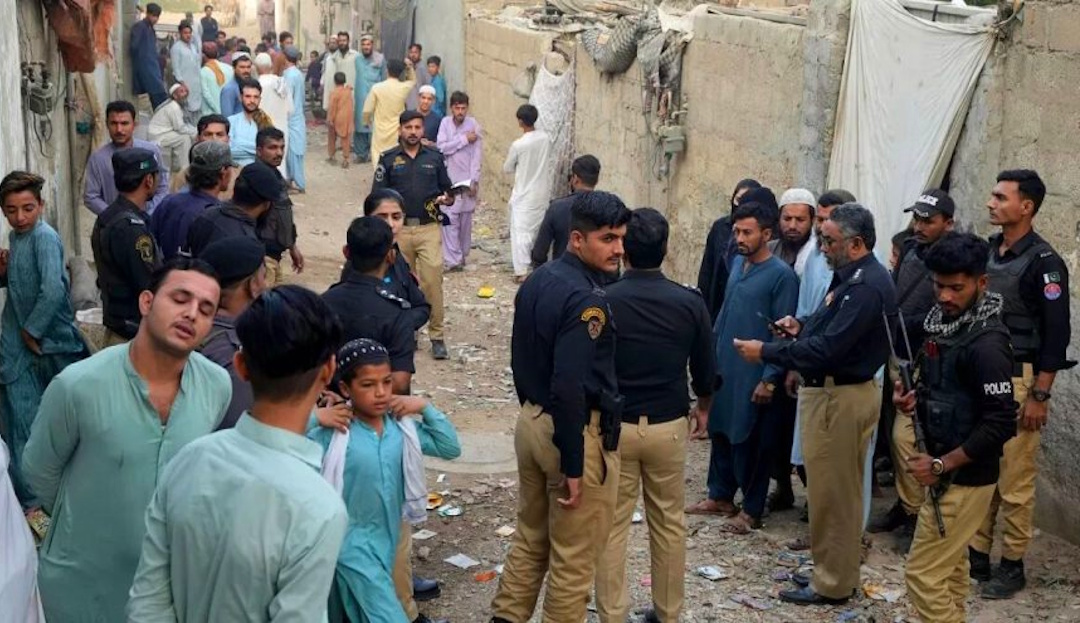
A new report by the Afghanistan Media Support Organization (AMSO) has documented severe human rights violations against Afghan refugees and migrants in Pakistan, including arbitrary arrests, physical mistreatment, extortion, and the growing threat of forced deportation.
The report, released on Friday, paints a grim picture of intensifying crackdowns on undocumented foreigners across Pakistan. According to AMSO, more than 3.4 million Afghan migrants have been returned or deported from Pakistan and Iran since 2023. The pace of removals has accelerated sharply following Pakistan’s launch of a nationwide campaign against undocumented individuals in late 2023, a move authorities justify by citing security concerns and economic pressures.
Key Findings from the Survey
The findings are based on a survey of 41 Afghan nationals, six in-depth interviews, and documentation from major organizations including the UN High Commissioner for Refugees (UNHCR), the International Organization for Migration (IOM), Amnesty International, and the Human Rights Commission of Pakistan. The report was jointly prepared with the World Organisation Against Torture (OMCT) and submitted to the UN Committee Against Torture on March 13, 2026.
Key statistics from the survey include:
-
Detention: 68.3% of surveyed Afghans said they had been detained or imprisoned at some point.
-
Abuse in Custody: 96.4% of detainees reported experiencing multiple forms of physical or psychological abuse during arrest or detention.
-
Extortion: 85.7% of respondents stated they were forced to pay bribes often under threat of violence to avoid arrest or secure release from detention facilities.
-
Psychological Abuse: 75.6% faced threats, humiliation, and other forms of psychological abuse, including verbal harassment and intimidation.
-
Prolonged Detention Without Review: 72.4% were held for more than 48 hours without any form of judicial review, in violation of Pakistani and international legal standards.
-
No Risk Assessment: According to the report, none of the deported individuals received an individual risk assessment before being removed from Pakistan, raising concerns about refoulement the forced return of individuals to places where they may face persecution.
Ongoing Operations in Major Cities
The report comes as Pakistan continues large-scale operations targeting Afghan migrants in major urban centers, including Islamabad, Rawalpindi, and Karachi. Afghan families have repeatedly reported nighttime raids on their homes, arbitrary arrests, and intense pressure from authorities to leave the country—even when some individuals hold valid refugee registration documents or have pending resettlement cases in third countries.
Human rights organizations have warned that many returnees face grave dangers after being sent back to Afghanistan. Those at heightened risk include journalists, former government workers, civil society activists, women, and members of religious and ethnic minorities. Since the Taliban’s return to power in 2021, Afghanistan has seen the systematic erosion of press freedom, women’s rights, and due process.
Broader Humanitarian Context
Pakistan has long hosted one of the world’s largest and most protracted Afghan refugee populations. Millions of Afghans fled conflict and instability over the past four decades, building lives, businesses, and families across Pakistani cities and towns. However, relations between Afghan migrants and Pakistani authorities have become increasingly strained amid growing political and security tensions in the region. Pakistani officials frequently link undocumented Afghans to cross-border militancy, though rights groups say such allegations are rarely backed by individual evidence.
The United Nations estimates that millions of Afghans remain displaced either internally or abroad following the country’s political and economic collapse in 2021. Aid agencies warn that mass deportations from neighboring countries particularly Pakistan and Iran could dramatically worsen the humanitarian situation inside Afghanistan, where poverty, unemployment, and food insecurity are already widespread.
Calls for International Action
The AMSO report urges the UN Committee Against Torture to press Pakistan to immediately halt forced deportations without individual risk assessments, ensure independent oversight of detention facilities, and investigate allegations of extortion and abuse by security personnel.
“Without these safeguards,” the report states, “Afghan migrants including those with legitimate fears of persecution will continue to be sent back to a country where their safety and fundamental rights cannot be guaranteed.”
As of March 2026, the Pakistani government has not issued a formal response to the AMSO report. However, authorities have maintained that the deportation campaign is carried out in accordance with Pakistani law and is necessary for national security. Rights groups counter that collective expulsion is prohibited under international law, including the UN Convention Against Torture, to which Pakistan is a signatory.
Our Pashto-Dari Website

Support Dawat Media Center
If there were ever a time to join us, it is now. Every contribution, however big or small, powers our journalism and sustains our future. Support the Dawat Media Center from as little as $/€10 – it only takes a minute. If you can, please consider supporting us with a regular amount each month. Thank you
DNB Bank AC # 0530 2294668
Account for international payments: NO15 0530 2294 668
Vipps: #557320

Comments are closed.