

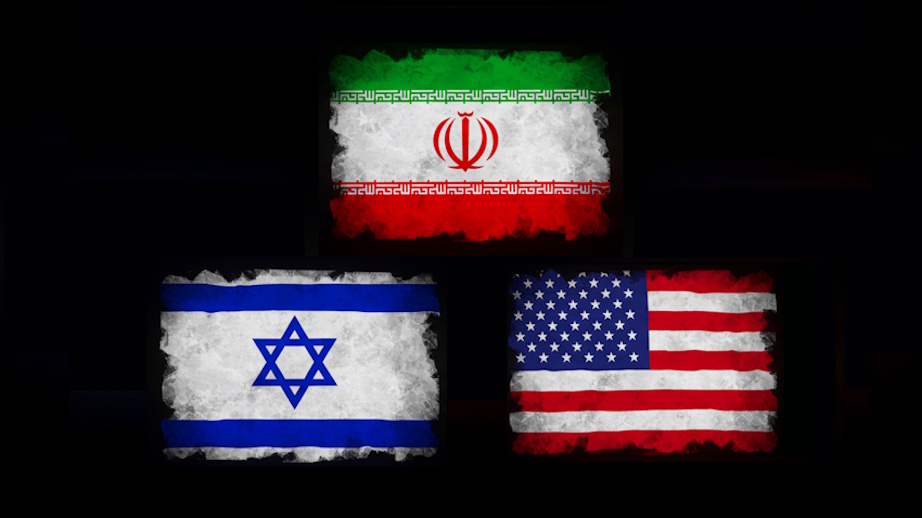
Iran has issued its starkest warning yet against any Israeli strike on its critical facilities, vowing that retaliation would be swift, severe, and inescapable. The threat, delivered by a top security official, comes amid soaring regional tensions following recent Iranian exchanges of fire with U.S. forces in the Middle East.
Mohammad Bagher Zolghadr, the deputy coordinator of Iran’s Supreme National Security Council, declared that any Israeli attack on Iranian infrastructure—including nuclear sites, energy grids, or military installations would trigger a direct response. “As we have already announced, any attack on infrastructure will be retaliated against, and the criminal Zionist regime responsible for these atrocities will not be safe from the response of our fighters,” Zolghadr said in an official statement broadcast by state television on Saturday.
The remarks mark a notable escalation in rhetoric, shifting Iran’s usual proxy-centric deterrence toward a more explicit threat of state-on-state action. Zolghadr did not specify the nature or scale of the planned response, but Iranian officials have previously signaled that missile and drone strikes, as well as cyberattacks, remain viable options.
The warning follows a volatile week in which the U.S. carried out defensive strikes against Iranian-aligned militias in Syria and Iraq, in response to a spate of drone and rocket attacks on American bases. While Washington has stressed that its operations are limited to self-defense, Tehran views any U.S. military activity in the region as tacitly coordinated with Israel, which has long threatened preemptive action against Iran’s nuclear program.
Israeli officials have neither confirmed nor denied planning infrastructure strikes, but Prime Minister Benjamin Netanyahu has repeatedly affirmed that Israel “will do whatever is necessary” to prevent Iran from obtaining nuclear weapons capability. Defense Minister Yoav Gallant recently stated that Iran’s nuclear sites are “within reach” of Israeli forces.
Analysts caution that Iran’s latest threat may be calibrated as much for domestic consumption as for foreign deterrence, coming amid widespread public unrest and economic strain. However, they note that the credibility of such warnings has grown, given Iran’s demonstrated ability to target Saudi oil facilities in 2019 and its ongoing drone and missile programs.
The United States has urged both sides to exercise restraint, with Pentagon officials emphasizing that they do not seek a wider conflict. Yet the prospect of a miscalculated strike whether Israeli or Iranian remains a primary concern for regional security monitors, as both nations appear locked in a cycle of escalation that increasingly blurs the line between covert warfare and open confrontation.
Our Pashto-Dari Website

Support Dawat Media Center
If there were ever a time to join us, it is now. Every contribution, however big or small, powers our journalism and sustains our future. Support the Dawat Media Center from as little as $/€10 – it only takes a minute. If you can, please consider supporting us with a regular amount each month. Thank you
DNB Bank AC # 0530 2294668
Account for international payments: NO15 0530 2294 668
Vipps: #557320

Comments are closed.