

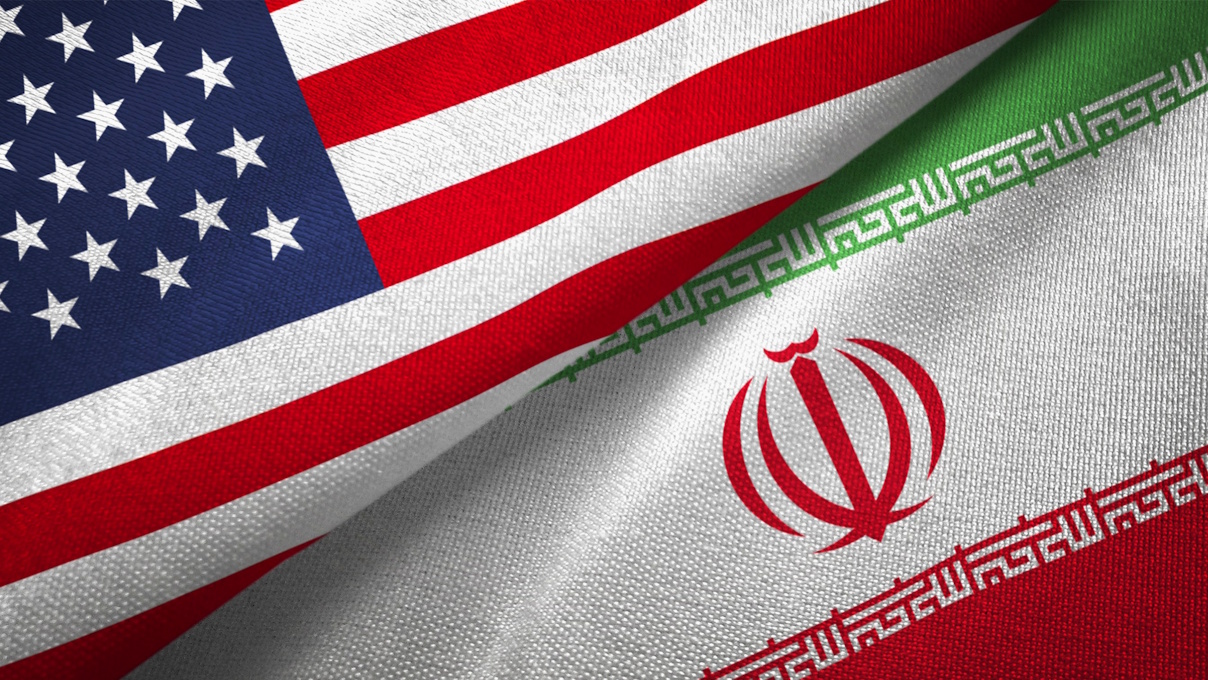
Geneva / Doha – In a dramatic diplomatic breakthrough, the United States and Iran have agreed to a peace deal that includes an “immediate and permanent” end to military operations on all fronts, including in Lebanon, according to Pakistan’s mediator. The agreement marks the apparent conclusion of more than three months of devastating war across the Middle East.
Pakistani Prime Minister Shehbaz Sharif announced on X (formerly Twitter) that a peace deal “has been REACHED,” with an official signing ceremony scheduled for June 19 in Switzerland. Sharif thanked the US and Iran “for finding a diplomatic solution to the conflict,” and acknowledged the support of Saudi Arabia, Qatar, and Turkey in the mediation effort.
“Both sides have declared the immediate and permanent termination of military operations on all fronts, including in Lebanon,” Sharif wrote.
US President Donald Trump, celebrating his 80th birthday on Sunday, swiftly confirmed the agreement. “The Deal with the Islamic Republic of Iran is now complete,” he said in a statement. Trump then announced a series of dramatic economic measures: “I hereby fully authorize the toll-free opening of the Strait of Hormuz, and, simultaneously herewith, authorize the immediate removal of the United States Naval blockade. Ships of the World, start your engines. Let the oil flow!”
Soon after, Iran confirmed the accord. Deputy Foreign Minister Kazem Gharibabadi said in televised remarks that the agreement puts an “immediate end” to the war. “A permanent and immediate end to the war has been declared on all fronts, including Lebanon,” he stated.
Last-Minute Hurdles and Israeli Airstrike
The road to the deal was highly volatile. Just hours before the announcement, Tehran had vowed retaliation for an Israeli airstrike against Hezbollah, the Iran-backed militant group, in the suburbs of Beirut a strike that threatened to derail the negotiations entirely.
In a tense turn, Trump himself blamed Israeli Prime Minister Benjamin Netanyahu for delaying the agreement. In an expletive-laden phone interview with US news outlet Axios, Trump fumed: “I was so pissed off. I let him know.” The airstrike, which targeted an Iranian ally in Lebanon, had previously risked shattering the fragile ceasefire that had largely held since April.
Earlier such strikes had triggered Iranian missile barrages and Israeli counterstrikes. Tehran had long insisted that any comprehensive peace deal must address the parallel conflict in Lebanon, where Israel has been actively targeting Hezbollah forces.
Origins and Economic Impact of the War
The war began in late February following US-Israeli strikes on Iranian facilities. Iran retaliated with attacks on Israel and US allies in the region, while also effectively blocking ship traffic through the Strait of Hormuz a chokepoint for nearly 20% of global oil supplies. The US responded by imposing a naval blockade on Iranian ports.
The blockade’s global economic impact has been severe. It fueled inflated gas prices, contributed to rising inflation in the US and beyond, and disrupted supply chains for essential goods such as fertilizer, affecting food production in regions far from the Middle East.
Vice President JD Vance, speaking on Fox News after the deal was announced, emphasized the potential for economic recovery. “What we’re going to be able to do is drive down the cost of energy, not just now but for the long term, and create a real engine of prosperity in the Middle East.” Vance confirmed he plans to attend the signing ceremony in Geneva and added that Trump might also be present: “I certainly plan to be there, but it’s possible the president himself could be there.”
Unresolved Sticking Points
Despite the breakthrough, the precise contents of the agreement remain unclear, following weeks of fraught negotiations and periodic threats from Trump of renewed hostilities unless Iran reached a deal. Both sides have released conflicting information, each seeking to project an image of victory.
Key unresolved issues include:
-
Control of the Strait of Hormuz: Tehran had insisted on maintaining control over the strategic waterway, a position the US repeatedly rejected. The current agreement appears to resolve this through the “toll-free opening” announced by Trump, though details remain vague.
-
Iran’s Nuclear Program: Another major sticking point is the fate of Iran’s nuclear program, particularly its stockpile of highly enriched uranium much of which is believed to have been buried or damaged by US strikes last year. Trump has justified the war as necessary to prevent Iran from obtaining nuclear weapons, an ambition Tehran has long denied.
On Saturday, Trump outlined a path forward: “When all is calm, we will go in and get the Nuclear Dust… and downblend and destroy it, whether in Iran or the United States.” It remains unclear whether Iran has agreed to this provision.
Looking Ahead
The official signing ceremony in Switzerland is now seen as a formality, but implementation will be closely watched. For now, the guns have fallen silent across the region, and global markets are already reacting to the prospect of reopened shipping lanes. Whether this “permanent” peace holds will depend on the parties’ ability to resolve the lingering disputes over nuclear materials, regional influence, and the future of Lebanon.
Our Pashto-Dari Website

Support Dawat Media Center
If there were ever a time to join us, it is now. Every contribution, however big or small, powers our journalism and sustains our future. Support the Dawat Media Center from as little as $/€10 – it only takes a minute. If you can, please consider supporting us with a regular amount each month. Thank you
DNB Bank AC # 0530 2294668
Account for international payments: NO15 0530 2294 668
Vipps: #557320

Comments are closed.