

A Dual Crisis at the Heart of the Middle East
Saudi Arabia has shut down its East-West pipeline after the vital oil conduit came under aerial attack, marking a dangerous new phase in the widening Middle East war. The shutdown, combined with the Houthi seizure of a strategic Red Sea island, has placed an energy chokehold on both sides of the Arabian Peninsula and sent global oil prices surging back above $100 per barrel.
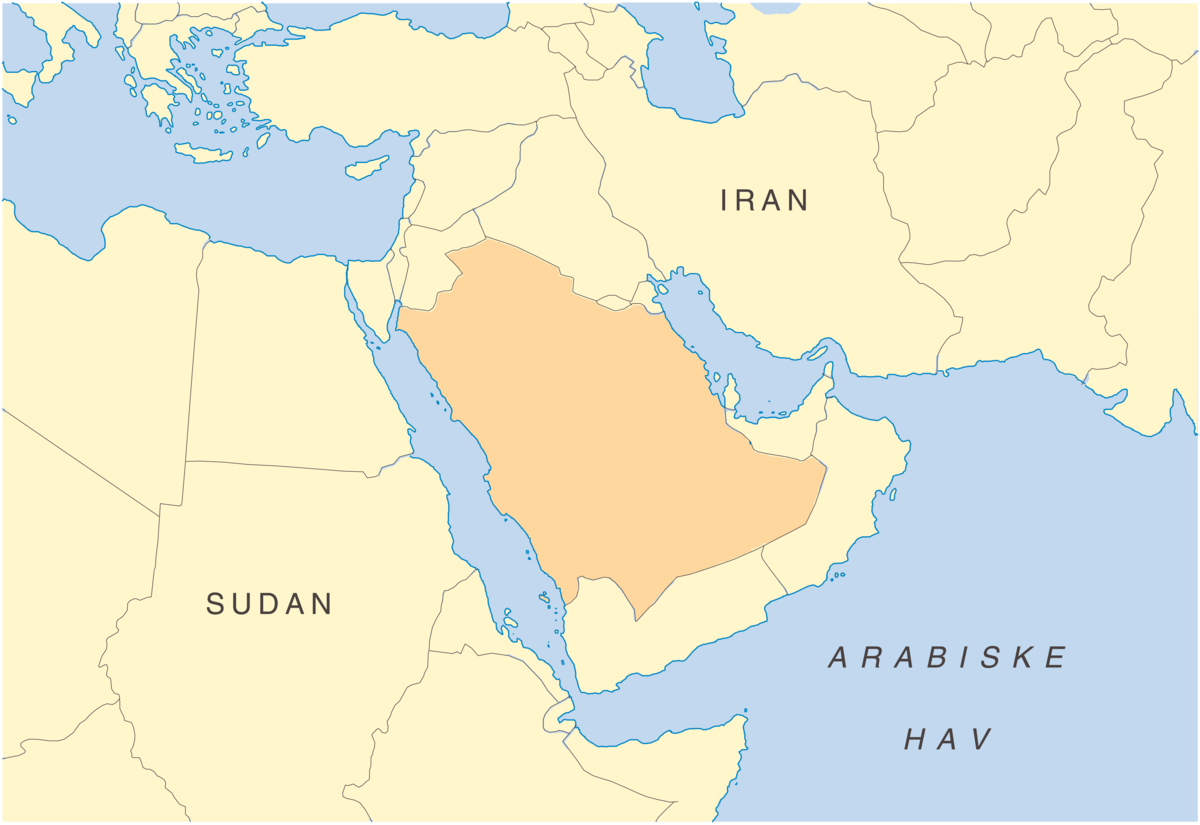
The 1,200-kilometre (745-mile) pipeline running across the Arabian Peninsula had helped Saudi Arabia bypass a shipping logjam in the Strait of Hormuz, where tanker traffic has slowed to a trickle due to the war between the U.S. and Iran. Its closure now eliminates a critical alternative route for Saudi crude exports at a moment when maritime chokepoints are already under severe strain.
The Pipeline Attack
The world’s largest crude oil exporter temporarily closed the pipeline after a drone attack that both Baghdad and Riyadh said had originated in Iraq, where Iranian-backed militias operate. The East-West pipeline was hit on Thursday morning in Saudi Arabia’s Riyadh and Medina regions, according to the Saudi energy ministry.
It was not immediately clear who was responsible for the strikes. Satellite images showed black smoke rising from an area of the pipeline south of Medina. The attack resulted in some injuries and damage that was being assessed, the Saudi foreign ministry said, without detailing the impact on exports.
The Saudi energy ministry said it had shut the pipeline as a precaution. The line has been moving 4 million to 5 million barrels per day in recent months, amounting to 4% to 5% of global supply, according to ship tracking companies and analysts. The prolonged closure of such a significant artery would tighten an already strained global oil market and could push prices even higher.
In response to the attack, Iraq dismissed a military commander on Saturday, Reuters reported. The cashiered Iraqi military commander had led operations in Maysan province, according to a statement by the Iraqi prime minister’s office. Maysan province, which borders Iran in southeastern Iraq, has long been regarded as an area where Iran-backed Shi’ite militias operate and maintain influence.
Iraq’s government condemned the attacks and ordered the closure of the Shalamcheh border crossing between Iraq and Iran as a precautionary measure, two security sources told Reuters. The crossing serves as one of the main routes for imports to Iraq of vegetables and other food supplies from Iran. The two sources said a widescale operation was under way to find those responsible for the pipeline attack.
Saudi Arabia has opted against retaliation so far following a request from the Iraqi prime minister, the Saudi foreign ministry said in a statement, while adding the kingdom reserves the right to “take all measures necessary” to protect its interests.
Houthi Advance in the Red Sea
The attack on the pipeline came as Iran-aligned Houthi rebels in Yemen tightened their grip on the Red Sea. Four Yemeni government sources told Reuters that Houthis had seized the strategic island of Perim on Friday at the mouth of the Red Sea, in the Bab el-Mandeb Strait.
The dual attacks reported on Friday on the pipeline and Perim island could represent a dangerous escalation while diplomatic efforts to end the war have stalled.
The Houthi advance down Yemen’s Red Sea coast came with direct guidance from Iran’s Revolutionary Guards, Reuters reported on Thursday. Iran told the Houthis last week to escalate their attacks on Saudi Arabia and promised more funding, weapons and senior officers to help them do so, two Iranian sources said. Iran describes the Houthis as an ally but publicly denies giving them military direction, saying they are “not a proxy.”
The Houthi military spokesperson, Yahya Saree, said maritime navigation remained safe for all shipping except Saudi vessels subject to a previously announced ban.
If the Houthis gain full control of the Bab el-Mandeb Strait, their backer Iran could gain a critical advantage in its war with the U.S. The strait is a vital chokepoint for global energy shipments, and its closure or disruption would compound the crisis already unfolding in the Strait of Hormuz.
Yemeni government forces indicated they would try to retake areas captured by the Houthis mountain fighters who withstood years of devastating Saudi airstrikes during Yemen’s civil war in their lightning offensive this week along the Red Sea coastline.
Global Energy Squeeze
Saudi crude supply fell to the lowest levels in more than three decades, the International Energy Agency said on Friday, partly due to attacks on ships transiting Bab el-Mandeb by Houthi-linked groups.
The combination of the pipeline shutdown and the Houthi advance has put an energy squeeze on both sides of the Arabian Peninsula. With the Strait of Hormuz already disrupted by the U.S.-Iran war and the Bab el-Mandeb Strait now under threat, Saudi Arabia and its neighbors face the prospect of being unable to export their most vital commodity through either of their primary maritime routes.
Global oil prices have responded accordingly, surging back above $100 per barrel as traders price in the risk of prolonged supply disruptions. The price spike has already exacted a political toll on U.S. President Donald Trump and his Republican Party ahead of November congressional elections, with higher fuel prices threatening to erode support among voters.
Saudis Seek U.S. Military Help
Saudi Crown Prince Mohammed bin Salman called Trump at least twice on Thursday to request U.S. military help in fighting the Houthis, two sources familiar with the matter told Reuters on Friday, confirming an earlier report by Axios.
Washington told Riyadh it was not willing to take direct military action for now but would help with intelligence sharing and targeting, the two sources said. The White House did not address a Reuters question on any phone calls between the two leaders, but a senior administration official speaking on the condition of anonymity said Washington was in continuous dialogue with Saudi Arabia and the Yemeni government.
Saudi Arabia has asked Washington for military help with the Houthis, sources said, at a time when higher fuel prices during the war have already become a political liability for the Trump administration.
A Region on the Brink
The dual crises the pipeline attack and the Houthi seizure of Perim represent a dangerous escalation in a region already teetering on the edge of a broader conflagration. Diplomatic efforts to end the war have stalled, and the window for de-escalation appears to be narrowing.
For Saudi Arabia, the shutdown of the East-West pipeline is a stark reminder of its vulnerability to attacks on its critical infrastructure. The kingdom has invested heavily in alternative export routes precisely to avoid chokepoint vulnerabilities, but those alternatives are now themselves under threat.
For the United States, the crisis presents a difficult balancing act. Direct military intervention against the Houthis risks drawing Washington deeper into a regional war at a time when it is already engaged in a conflict with Iran. But inaction risks allowing Iran and its proxies to consolidate control over two of the world’s most important maritime chokepoints, with severe consequences for global energy markets and the global economy.
For the Houthis, the seizure of Perim island represents a significant strategic victory. The group has demonstrated an ability to project power far beyond its traditional strongholds in northern Yemen, and its growing partnership with Iran has provided it with the weapons, training, and funding needed to sustain its offensive.
As night falls over the Bab el-Mandeb Strait, the world watches to see whether the Houthis will press their advantage further and whether anyone is prepared to stop them.
Our Pashto-Dari Website

Support Dawat Media Center
If there were ever a time to join us, it is now. Every contribution, however big or small, powers our journalism and sustains our future. Support the Dawat Media Center from as little as $/€10 – it only takes a minute. If you can, please consider supporting us with a regular amount each month. Thank you
DNB Bank AC # 0530 2294668
Account for international payments: NO15 0530 2294 668
Vipps: #557320

Comments are closed.