
MSF: Child Malnutrition Cases in Kandahar Surge 30% as Afghanistan’s Humanitarian Crisis Worsens

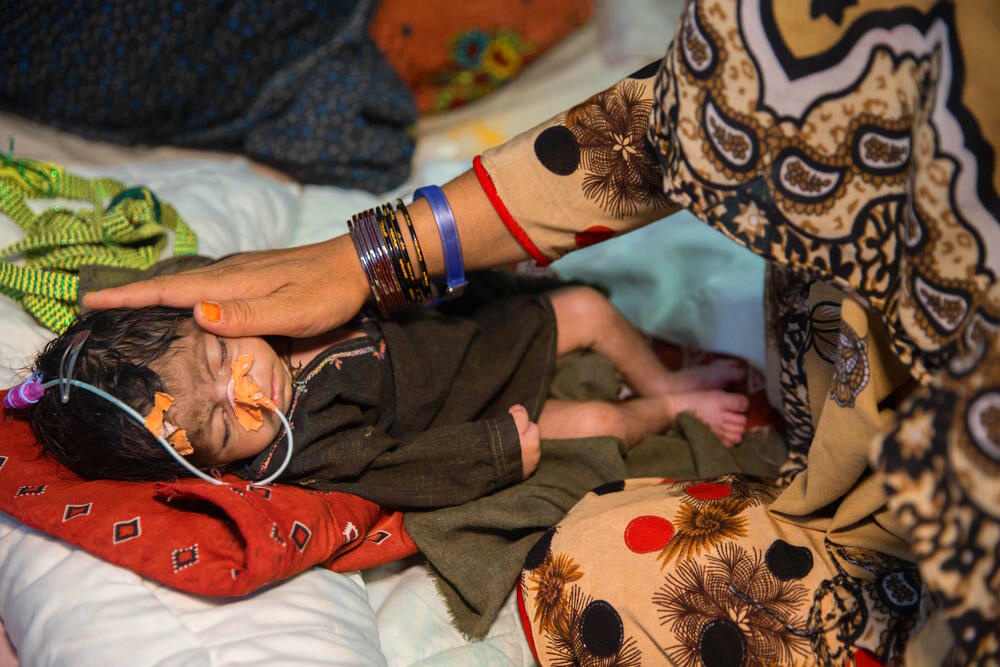
Child malnutrition cases in southern Afghanistan’s Kandahar province have risen by 30% compared to the same period last year, Médecins Sans Frontières (MSF) has reported, warning that deepening poverty, rampant food insecurity, and sharp cuts to international humanitarian aid are fueling a rapidly escalating nutrition emergency across the country.
According to MSF officials in Kandahar, 12,530 children suffering from malnutrition received treatment at the organization’s health facilities between January and August 2026. Of these, 3,450 were diagnosed with severe acute malnutrition the deadliest form of the condition while 1,291 required immediate hospitalization due to life-threatening complications such as infections, dehydration, or organ failure. The charity noted that many of these children arrived in critical condition, underscoring the fragility of primary healthcare access in rural and conflict-affected districts.
The medical charity emphasized that the sharp increase is not an isolated trend but a stark reflection of deteriorating living conditions across Afghanistan, where more than half of the population now depends on humanitarian aid to survive. Families are increasingly resorting to desperate coping measures skipping meals, selling livestock, and pulling children out of school as unemployment soars and purchasing power collapses. Poor maternal health, low breastfeeding rates, and a lack of clean drinking water have further compounded the crisis, making children especially vulnerable to malnutrition and disease.
This latest warning comes as Afghanistan grapples with one of the world’s largest and most protracted humanitarian emergencies. According to the UN World Food Programme (WFP), an estimated 3.7 million children and 1.2 million pregnant and breastfeeding women are projected to suffer from acute malnutrition across the country in 2026 a figure that surpasses many war-torn and famine-affected regions globally. The WFP has also cautioned that without urgent intervention, more than half of Afghanistan’s provinces could slip into “emergency” levels of food deprivation by the end of the year.
Compounding the crisis, humanitarian organizations have repeatedly warned that declining international donor funding driven by geopolitical shifts, donor fatigue, and competing global crises is systematically eroding Afghanistan’s already fragile health system. In recent months, several child malnutrition treatment centers have been forced to close or scale back operations due to budget shortfalls, leaving entire districts without access to therapeutic feeding programs, vitamin supplements, or pediatric emergency care. MSF itself has had to ration supplies at some facilities, prioritizing only the most severe cases.
The funding gap has also disrupted community-based screening and referral networks, meaning many malnourished children are detected only when their condition has become critical increasing both mortality risk and the cost of treatment. Health workers report that staff salaries are often delayed, and essential medicines, including ready-to-use therapeutic food (RUTF), are running dangerously low in multiple regions.
MSF has called on the international community and donor governments to reverse funding cuts and sustain flexible, long-term support for nutrition and primary healthcare programs. “The growing number of severely malnourished children is not just a statistic it is a preventable tragedy unfolding in real time,” the organization stated. “Without immediate and sustained investment in nutrition services, community health outreach, and food security interventions, thousands more children will suffer avoidable illness, developmental damage, or death.”
The charity also urged all parties to ensure unimpeded humanitarian access to affected populations, especially in remote and Taliban-controlled areas where aid delivery has been inconsistent. It stressed that localized solutions such as training community health workers, reviving mobile health clinics, and integrating mental health support for struggling mothers must be prioritized alongside emergency feeding campaigns to break the cycle of malnutrition for good.
As winter approaches, with temperatures dropping and seasonal illnesses like pneumonia and diarrhea peaking, MSF and other agencies fear the malnutrition caseload could rise even further, overwhelming the remaining operational facilities. Without a coordinated, adequately funded response, Afghanistan’s youngest generation risks paying the heaviest price for a crisis that the world can no longer afford to ignore.
Our Pashto-Dari Website

Support Dawat Media Center
If there were ever a time to join us, it is now. Every contribution, however big or small, powers our journalism and sustains our future. Support the Dawat Media Center from as little as $/€10 – it only takes a minute. If you can, please consider supporting us with a regular amount each month. Thank you
DNB Bank AC # 0530 2294668
Account for international payments: NO15 0530 2294 668
Vipps: #557320

Comments are closed.