
Aid Workers Given One-Month Ultimatum to Comply with Beard Regulations at Islam Qala Border Center

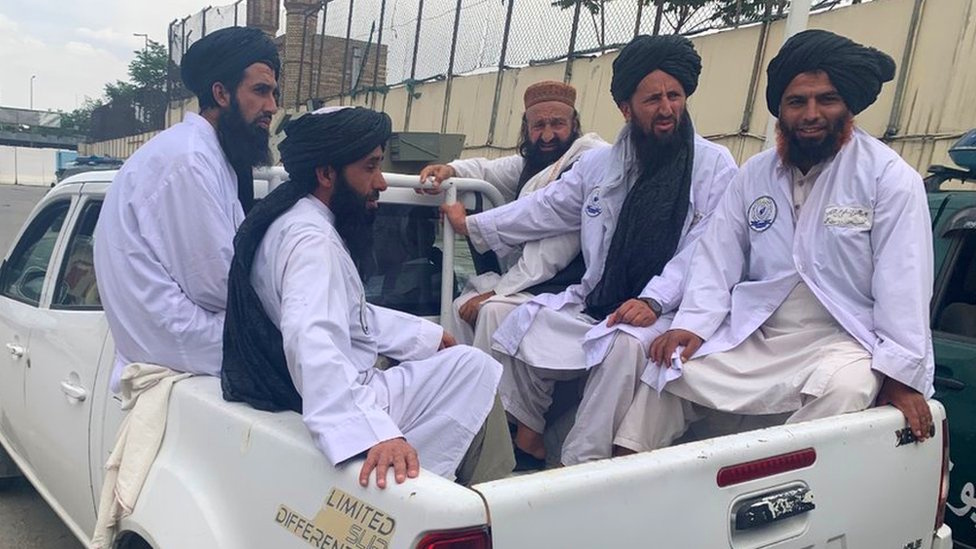
Humanitarian aid workers at the Islam Qala reception center in Herat have been given a strict one-month deadline to align their facial hair with Taliban regulations, or face permanent exclusion from the facility—a move that threatens to complicate relief efforts at one of Afghanistan’s busiest border crossings.
The directive was formally communicated during a meeting on Monday between officials from the Taliban’s Department of Refugees and Repatriation and representatives of several international and local humanitarian organizations operating at the border post. According to sources present at the gathering, the order applies not only to all male staff members of aid agencies but also to male guardians who accompany female employees into the compound.
“We were told that from now on, every man entering the center must have a beard of at least fist-length, as per the administration’s interpretation of Islamic law,” said a senior aid worker who attended the meeting, speaking on condition of anonymity due to the sensitivity of the issue. “They gave us exactly 30 days to ensure compliance. After that, no exceptions will be made.”
Taliban officials reportedly framed the measure as a protective one, arguing that it is intended to prevent aid workers from being detained or harassed by the morality police, who have intensified patrols in Herat province in recent weeks. In practice, however, the ultimatum places humanitarian staff in a difficult position: many international organizations maintain strict codes of conduct that prohibit staff from altering their appearance to appease local authorities, while Afghan nationals fear retribution if they are seen as flouting the rules.
The move follows a noticeable uptick in the detention of aid workers by the Taliban’s Vice and Virtue Ministry for shaving or trimming their beards. Several local employees of UN-affiliated agencies have reportedly been stopped at checkpoints and held for hours, with some released only after intervention by senior tribal elders. By imposing a blanket rule at the border center, Taliban authorities appear to be seeking to formalize the practice and reduce friction at a single, high-traffic point of entry.
Herat province, long considered a cultural and commercial hub, has witnessed a broader tightening of social restrictions over the past several months. Beyond the beard mandate, local authorities have ramped up enforcement of dress codes for women, with multiple reports of female students, civil servants, and even teenage girls being detained in Herat city for wearing clothing deemed “inappropriate” or for failing to wear a headscarf correctly. In one recent incident, a group of women were held for several hours at a local police station after being stopped near a bazaar a development that has fueled anxiety among urban populations already grappling with economic collapse.
The Islam Qala border crossing itself is of critical strategic and humanitarian importance. Each week, it processes thousands of Afghan returnees many of whom have been deported from neighboring Iran after years of displacement. These families often arrive with little more than the clothes on their backs and rely heavily on aid agencies stationed at the reception center for immediate registration, hot meals, emergency medical care, and transport to their home provinces. In 2025 alone, the United Nations reported that over 500,000 returnees crossed through Islam Qala, making it the single largest point of return for Afghan migrants.
Aid agencies are now quietly warning that the one-month beard directive could severely disrupt operations. If male staff who constitute a majority of logistics, security, and registration personnel are barred from entering the center, the workflow could grind to a halt. “We cannot run a mobile health clinic or a child protection unit without our full team on the ground,” another humanitarian coordinator explained. “If we have to rotate staff or hire new people just to satisfy a facial hair requirement, we’re looking at weeks of delays and in the meantime, vulnerable families are left waiting in the cold.”
Some organizations are reportedly exploring contingency plans, including the possibility of relocating certain services to alternative sites outside the border center’s jurisdiction. However, such options are limited, as the reception center is the only fully equipped facility capable of handling the massive daily influx of returnees. Others are quietly lobbying Taliban officials for a formal exemption, arguing that humanitarian work should be insulated from social regulations under international law though previous attempts to secure carve-outs for aid workers have largely been unsuccessful.
The broader international community has so far reacted with measured concern. The United Nations Assistance Mission in Afghanistan (UNAMA) issued a statement emphasizing the need for humanitarian access to remain “unimpeded and impartial,” though it stopped short of directly condemning the beard rule. Western donor nations, which fund the bulk of border operations, are said to be monitoring the situation closely, with some officials privately expressing fears that the ultimatum is a prelude to even stricter conditions on humanitarian access across the country.
For the thousands of exhausted families arriving daily at Islam Qala, the bureaucratic and ideological battles playing out at the gate are far removed from their immediate survival needs. Yet as the one-month countdown begins, aid workers on the ground are bracing for an impossible choice: trim their beards and risk their own integrity, stand firm and lose access, or quietly withdraw from one of the most vital relief operations in the region. Whatever the outcome, it is the returnees already traumatized and destitute who stand to lose the most.
Our Pashto-Dari Website
Support Dawat Media Center
If there were ever a time to join us, it is now. Every contribution, however big or small, powers our journalism and sustains our future. Support the Dawat Media Center from as little as $/€10 – it only takes a minute. If you can, please consider supporting us with a regular amount each month. Thank you
DNB Bank AC # 0530 2294668
Account for international payments: NO15 0530 2294 668
Vipps: #557320

Comments are closed.