
At Least 20 Afghan Nationals Executed in Iran Since Start of 2026, Rights Groups Report

Dawatmedia24:
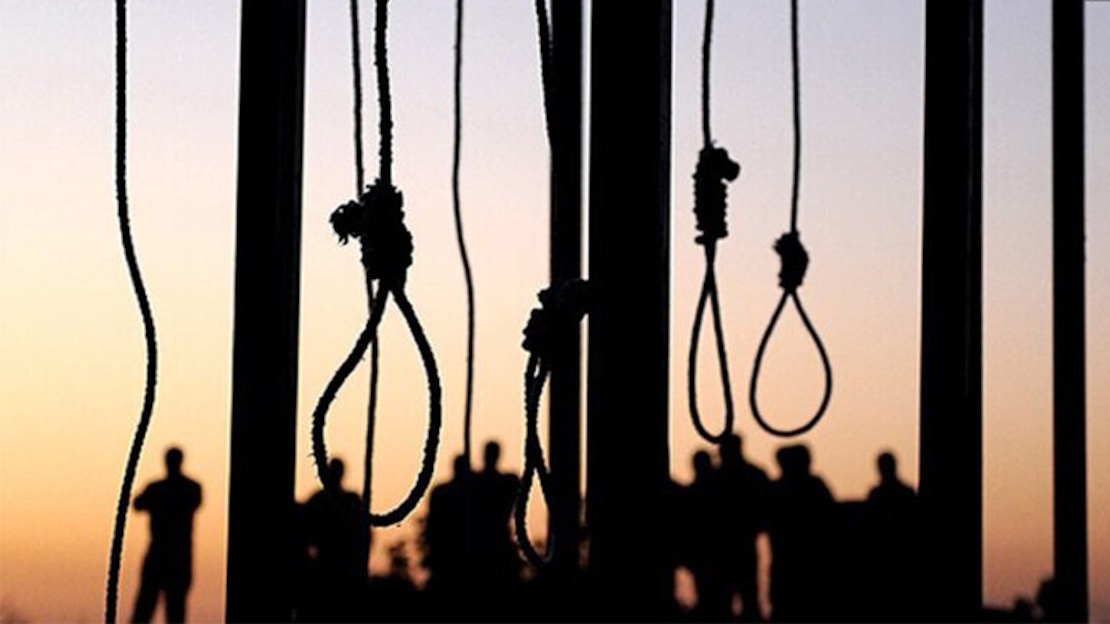
At least 20 Afghan citizens have been executed in Iranian prisons since the beginning of 2026, according to a consolidated review of reports issued by several Iranian human rights monitoring organizations. The figures, drawn from documented case files and prison records, have reignited international concern over Iran’s judicial process, particularly regarding foreign nationals and the use of the death penalty.
Monthly Executions and New Death Sentences
The review indicates that, on average, at least one Afghan national has been executed per month in 2026. In addition, at least three other Afghan individuals have received death sentences during the same period, with their appeals either pending or reportedly dismissed. The charges against those executed or sentenced range widely and include drug trafficking, intentional homicide, espionage on behalf of Israel, and participation in anti-government protests.
Geographic Scope of Executions
The documented executions have taken place across multiple correctional facilities, including:
-
Adelabad Prison in Shiraz (southern Iran)
-
Taybad Prison (northeastern Iran, near the Afghan border)
-
Yazd Prison (central Iran)
-
Dastgerd Prison in Isfahan (central Iran)
These prisons have been repeatedly cited by human rights groups as sites where due process protections are inconsistently applied, particularly for non-Iranian defendants.
Notable Cases and Protest-Related Sentences
Among the most recent cases highlighted by rights groups are those of Gol Mohammad Mohammadi and Qaim Hosseini, two cousins who were tried and sentenced to death in what has become known as the “Alikhani Square case” in Isfahan. Their prosecution is directly linked to protests that erupted in January 2026, though details of their individual participation remain unclear.
In a separate proceeding, three Afghan nationals Afshar Shah-Ahmadi, Iman Shafaei, and Sadruddin Ahmadzadeh were sentenced to death in July 2026. According to reports from Human Rights Iran and Hengaw, the trio was convicted of involvement in the arson of a police station, an incident that authorities classified as an act of insurrection.
Due Process and Transparency Concerns
Human rights organizations have raised grave concerns not only about the frequency of executions but also about the procedural fairness of the trials that precede them. Specific criticisms include:
-
Limited access to legal counsel – Many defendants are reportedly not provided with adequate representation, and court-appointed lawyers often lack sufficient time to prepare defenses.
-
Language and cultural barriers – Afghan nationals, particularly those who are Dari or Pashto speakers, may face difficulties understanding legal proceedings conducted in Farsi without interpretation support.
-
Opaque judicial proceedings – Families of the accused frequently report being uninformed about trial dates, charges, or the final verdict, often learning of executions only after they have occurred.
-
Lack of official announcements – A significant number of executions are carried out without public notification, making it nearly impossible for independent monitors to track the full scope of state-sanctioned killings involving foreign nationals.
Wider Pattern and Regional Implications
According to Hengaw, at least 85 Afghan nationals were executed in Iran throughout 2025, suggesting a persistent and potentially escalating trend. The continued use of capital punishment against Afghans comes amid broader regional tensions, including Iran’s hosting of millions of Afghan refugees and migrants, many of whom face precarious legal statuses and limited consular support.
Taliban Response and Diplomatic Silence
The Taliban authorities in Afghanistan have not issued any formal public statements condemning the executions or seeking diplomatic intervention on behalf of Afghan citizens on death row in Iran. This silence has drawn criticism from rights advocates, who argue that the Taliban government has a duty to protect its nationals abroad, regardless of its contested international recognition.
International Call for Action
Human rights groups are urging the Iranian judiciary to:
-
Halt all pending executions of foreign nationals until due process guarantees are met.
-
Provide transparent access to legal representation and family notification.
-
Allow independent observers, including UN rapporteurs, to monitor capital cases involving non-Iranians.
They also call on the international community particularly the United Nations and regional bodies to pressure Iran to comply with its obligations under the International Covenant on Civil and Political Rights (ICCPR), which Iran has ratified, and which mandates fair trial standards and limits the use of the death penalty.
Conclusion
The reported executions of at least 20 Afghan nationals since January 2026 reflect a troubling pattern in Iran’s judicial system one marked by procedural opacity, limited legal safeguards, and the disproportionate application of capital punishment to vulnerable foreign populations. Without greater transparency, consular engagement, and international oversight, the true number of Afghan lives lost in Iranian prisons may remain unknown.
Our Pashto-Dari Website

Support Dawat Media Center
If there were ever a time to join us, it is now. Every contribution, however big or small, powers our journalism and sustains our future. Support the Dawat Media Center from as little as $/€10 – it only takes a minute. If you can, please consider supporting us with a regular amount each month. Thank you
DNB Bank AC # 0530 2294668
Account for international payments: NO15 0530 2294 668
Vipps: #557320

Comments are closed.