
UNAMA Acting Chief Warns Afghanistan Faces Deepening Human Rights and Security Crises

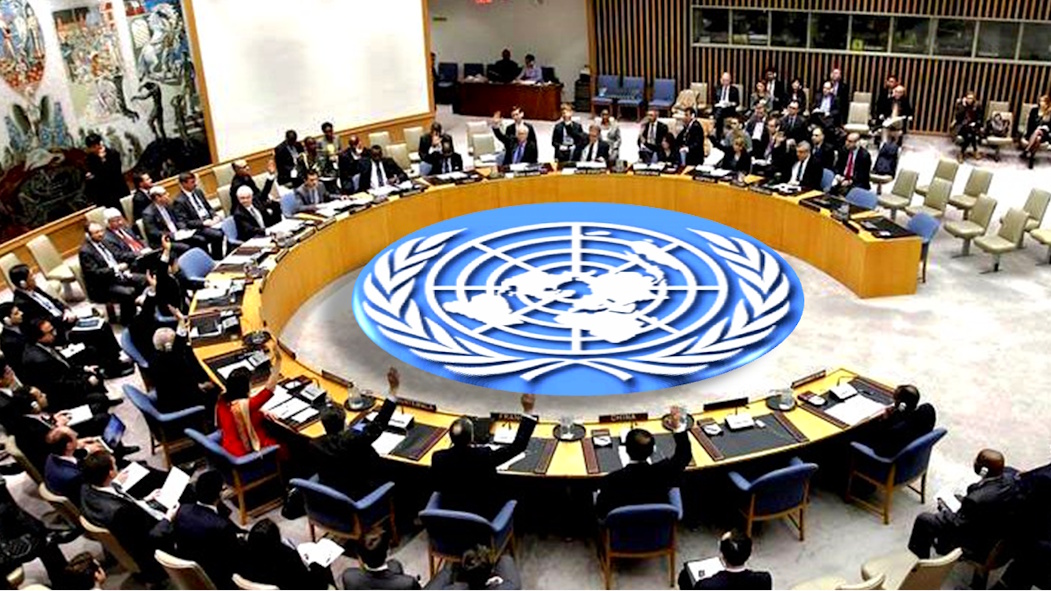
The United Nations Security Council convened a high-level meeting on Afghanistan on Wednesday at its headquarters in New York to assess the country’s political, humanitarian, and human rights situation. The session underscored growing international concern over the trajectory of Afghanistan under Taliban rule, with senior UN officials delivering stark assessments of the challenges ahead.
Georgette Gagnon, the UN Secretary-General’s Deputy Special Representative for Afghanistan and Acting Head of the United Nations Assistance Mission in Afghanistan (UNAMA), briefed the Council, stating that the Taliban have failed to address the most pressing concerns of both the international community and the Afghan people. She warned that the country’s long-term stability is increasingly threatened not by armed opposition, but by the Taliban’s own policies.
Gagnon emphasized that there has been no meaningful progress in reversing severe restrictions on women and girls, ending exclusionary governance, improving the human rights situation, or addressing the continued presence of terrorist groups that threaten Afghanistan, the region, and international peace and security. She noted that UNAMA’s assessment indicates the Taliban currently face no significant military or political challenge to their control of the country. However, she cautioned that key risks to Afghanistan’s future are accumulating as a direct result of Taliban policies rather than external threats.
Citing recent unrest in Badakhshan Province as a clear example of rising tensions, Gagnon said the violence demonstrated the consequences of excluding local communities from decision-making, resource sharing, and economic opportunities. During a recent visit to the province, she said residents told UNAMA they wanted jobs, basic public services, education, and opportunities for their children—not marginalization and exclusion.
The Acting UNAMA Chief also described developments in Herat Province as equally alarming over the past three months. She said the mission documented cases of women and girls being detained by Taliban authorities as part of the enforcement of strict dress code regulations, while peaceful protests that followed were met with excessive use of force. According to UNAMA, Taliban authorities continue to arrest women accused of failing to comply with the group’s prescribed dress requirements, including a number of arrests reported last week.
Gagnon further noted that the mission has documented increasing pressure on minority communities across Afghanistan, the closure of media outlets, and the arrest and intimidation of journalists. She described these incidents as part of a broader pattern of coercive social regulation that has alienated many Afghan communities and narrowed civic space throughout the country.
UNAMA said it continues to raise these concerns directly with Taliban officials through its office in Kabul and provincial missions, urging authorities to reverse policies that violate fundamental rights and deepen social divisions.
Since returning to power in August 2021, the Taliban have barred girls from secondary schools and universities, imposed sweeping restrictions on women’s employment, and sharply limited women’s participation in public life. The United Nations has repeatedly described these measures as among the most severe restrictions on women’s rights in the world.
The Security Council briefing comes as UNAMA continues to urge the Taliban to engage with the international community on human rights, inclusive governance, counterterrorism commitments, and the restoration of women’s and girls’ rights as key conditions for Afghanistan’s long-term stability and broader international engagement. The meeting concluded with renewed calls from Council members for the Taliban to uphold international norms and to prioritize the well-being of all Afghan citizens, particularly women, girls, and minority groups.
Our Pashto-Dari Website
Support Dawat Media Center
If there were ever a time to join us, it is now. Every contribution, however big or small, powers our journalism and sustains our future. Support the Dawat Media Center from as little as $/€10 – it only takes a minute. If you can, please consider supporting us with a regular amount each month. Thank you
DNB Bank AC # 0530 2294668
Account for international payments: NO15 0530 2294 668
Vipps: #557320

Comments are closed.