
EU Allocates €20 Million to Support Returnees and Displaced Afghans Amid Worsening Crisis

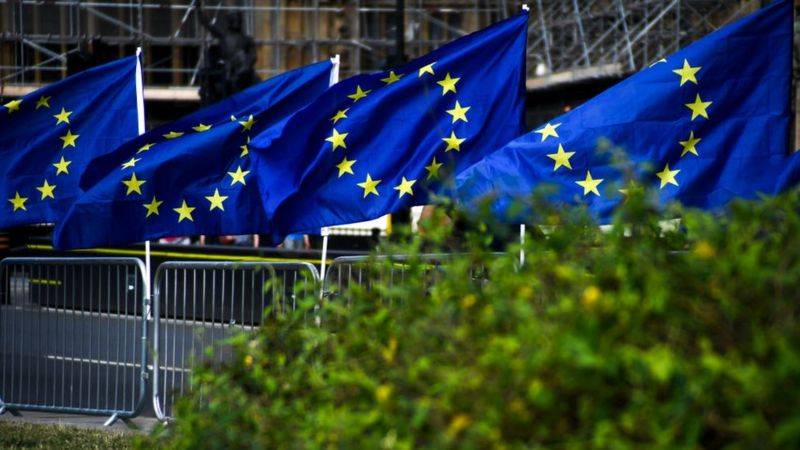
The European Union has pledged €20 million to the International Organization for Migration (IOM) to bolster healthcare and protection services for returning migrants and internally displaced persons (IDPs) across Afghanistan, the EU delegation in Kabul announced on Tuesday. The new funding package, channeled through the IOM, is designed to shore up frontline responses in a country where displacement has become a chronic and escalating emergency.
According to the EU, the financial injection will expand access to essential primary health care, emergency trauma care, and specialized protection programs including psychosocial support and gender-based violence response for vulnerable Afghans. Priority will be given to returning migrants, many of whom have been forcibly deported or left voluntarily under duress, as well as families uprooted by intensifying conflict, severe economic contraction, and recurrent climate-induced disasters such as floods and droughts.
The assistance arrives at a critical juncture. Since late 2023, Afghanistan has witnessed a massive surge in returns, with hundreds of thousands of Afghans pouring back from neighboring countries most notably Iran and Pakistan following heightened deportation drives and shifting immigration policies. Aid agencies on the ground have repeatedly warned that the majority of returnees cross the border with little more than personal belongings, depleted savings, and no viable housing or income sources. Many find themselves in overcrowded informal settlements or reliant on already stretched host communities, facing acute shortages of clean water, food, and medical care.
In response, the IOM has stated that the new EU funding will not only reinforce direct assistance to returnees but also strengthen community-based support systems in areas absorbing large influxes. This includes upgrading local health clinics, training frontline health workers, and establishing mobile health teams to reach remote and hard-to-access districts. Concurrently, the program will address the protracted needs of internally displaced families estimated at over 3.5 million people who remain scattered across the country, often in substandard conditions with minimal state support.
Afghanistan continues to rank among the world’s most severe humanitarian crises. The United Nations Office for the Coordination of Humanitarian Affairs (OCHA) estimates that more than 23 million Afghans over half the population will require life-saving assistance in 2026, a figure that has remained stubbornly high since the Taliban takeover in 2021. Economic stagnation, with unemployment hovering above 30%, coupled with banking restrictions and collapsing purchasing power, has pushed millions into poverty. Meanwhile, climate shocks have compounded the misery: repeated flash floods and prolonged dry spells have decimated agricultural livelihoods, driving yet more families from rural areas into urban centers or across borders.
International humanitarian organizations have consistently cautioned that public services already frayed by years of conflict and underfunding are buckling under the compounded strain of mass returns and internal displacement. Hospitals report medicine shortages, schools lack capacity for newly arriving children, and water and sanitation systems are overwhelmed in key transit hubs. Without sustained external support, these organizations warn, living conditions could deteriorate further, fueling social tensions and triggering new waves of irregular migration.
The EU has framed its latest contribution as a tangible demonstration of its ongoing humanitarian commitment to the Afghan people, separate from its political stance on the Taliban administration. “This funding is about saving lives and preserving human dignity in the most trying circumstances,” a senior EU official noted. The bloc emphasized that the initiative is designed to alleviate immediate suffering while also contributing to longer-term resilience by helping communities better withstand future displacement shocks.
However, humanitarian actors stress that €20 million, while welcome, represents only a fraction of the total resources needed. The UN’s 2026 Humanitarian Response Plan for Afghanistan, requiring over $3 billion, remains critically underfunded, with less than 20% secured to date. As deportations and voluntary returns show no sign of abating, aid agencies are urging donor nations to step up their contributions and to prioritize flexible, multi-year funding that allows for predictable and sustained programming.
For now, the EU-IOM partnership offers a vital lifeline but one that underscores the fragile balancing act between emergency relief and the urgent need for structural solutions to displacement in a country grappling with isolation, economic collapse, and an uncertain political future.
Our Pashto-Dari Website
Support Dawat Media Center
If there were ever a time to join us, it is now. Every contribution, however big or small, powers our journalism and sustains our future. Support the Dawat Media Center from as little as $/€10 – it only takes a minute. If you can, please consider supporting us with a regular amount each month. Thank you
DNB Bank AC # 0530 2294668
Account for international payments: NO15 0530 2294 668
Vipps: #557320

Comments are closed.