
Hormuz Disruptions Lengthen Afghanistan Aid Deliveries from 10 to 75 Days, WFP Warns

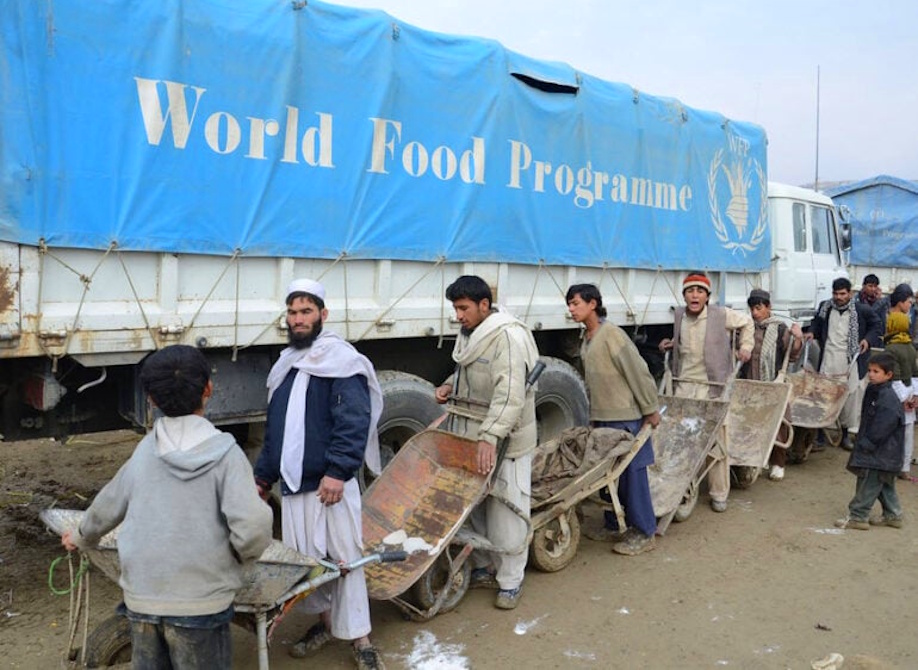
The World Food Programme (WFP) has warned that escalating conflict in the Middle East, combined with surging global fuel prices, is severely disrupting humanitarian operations in Afghanistan. According to the agency, delivery times for critical aid have ballooned from approximately 10 days to as long as 75 days, while transport costs have increased up to fivefold.
In a statement released earlier this week, the UN agency explained that cargo trucks carrying food and other essential supplies are being forced to take longer alternative routes after key trade and transport corridors through the region became compromised. These delays are directly impacting vulnerable communities that rely on consistent assistance for survival.
Wider Conflict and Economic Ripple Effects
The WFP attributed the disruptions to joint U.S. and Israeli military strikes on Iranian targets, which have exacerbated instability near the Strait of Hormuz a critical chokepoint for global oil and cargo shipments. The resulting insecurity, coupled with disruptions to shipping routes through the strait, has driven up global oil prices and created cascading economic pressures.
As a direct consequence, the WFP estimates that an additional 1.5 million people have been pushed closer to hunger. Rising fuel and transportation costs are now tightening pressure on food supply chains not only in Afghanistan but across several other vulnerable nations.
A Grim Projection Becoming Reality
The agency noted that in March it had projected that up to 45 million people worldwide could face severe food insecurity if crude oil prices remained near $100 per barrel through June. That scenario, the WFP now says, is increasingly becoming a reality, with oil prices having stayed above that threshold for much of the period.
Afghanistan, Somalia, and Sri Lanka are among the countries whose populations are most vulnerable to this economic fallout, the WFP added. Many households are confronting a toxic mix of higher food and fuel costs, reduced incomes, and mounting disruptions to trade and market access.
If the current disruptions persist, the WFP warned that an additional 2.3 million people in Afghanistan and 2.5 million people in Somalia could slide into food insecurity.
Afghanistan’s Ongoing Humanitarian Crisis
Afghanistan remains one of the world’s largest and most complex humanitarian emergencies. The WFP recently cautioned that 17.4 million people in the country could face acute food insecurity in 2026, while nearly 4.9 million mothers and children are expected to suffer from malnutrition. Decades of armed conflict, economic collapse, recurring climate shocks including droughts and floods and widespread poverty have left millions entirely dependent on external aid.
Compounding Challenge: Funding Shortfalls
The latest warning comes as international aid agencies struggle with significant funding gaps. Humanitarian organizations operating in Afghanistan have repeatedly reported that declining donor contributions driven by global economic strains and shifting political priorities are forcing them to scale back food assistance, healthcare, and nutrition programs, even as needs continue to grow across the country.
The WFP emphasized that the convergence of conflict-related trade disruptions, skyrocketing transportation costs, and shrinking humanitarian funding is creating unprecedented challenges for relief operations. The agency underscored the urgent need for sustained international support to prevent a further, potentially catastrophic, deterioration of food security conditions in Afghanistan and beyond.
Our Pashto-Dari Website

Support Dawat Media Center
If there were ever a time to join us, it is now. Every contribution, however big or small, powers our journalism and sustains our future. Support the Dawat Media Center from as little as $/€10 – it only takes a minute. If you can, please consider supporting us with a regular amount each month. Thank you
DNB Bank AC # 0530 2294668
Account for international payments: NO15 0530 2294 668
Vipps: #557320

Comments are closed.