

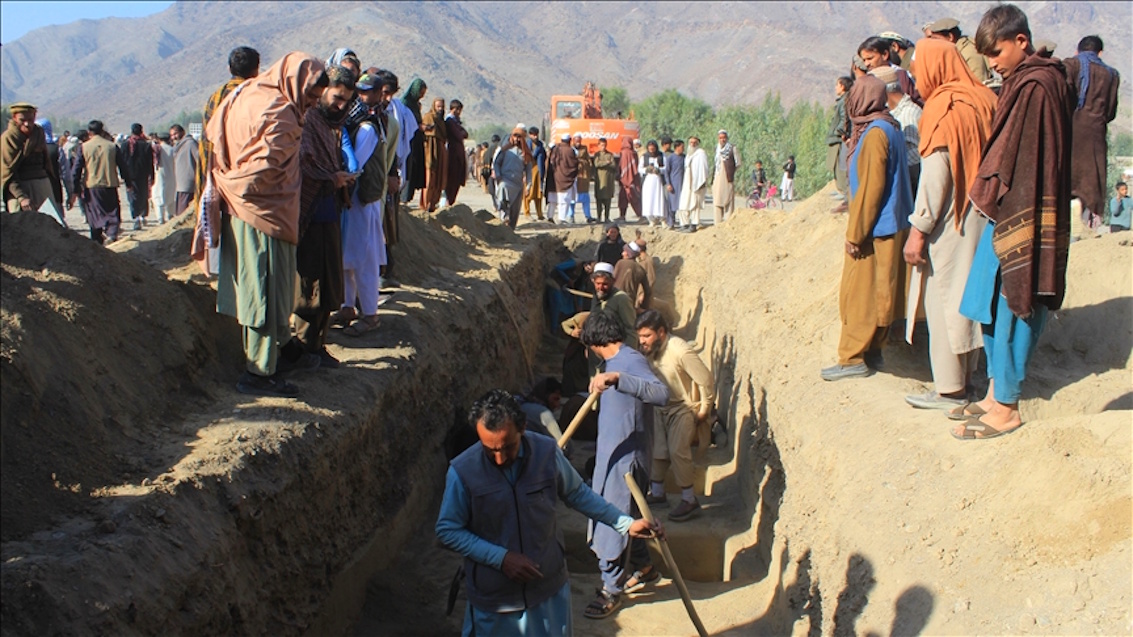
KABUL, Afghanistan — At least 372 Afghan civilians were killed and 397 injured during escalating armed clashes between Afghan government forces and Pakistani military forces during the first three months of 2026, according to a new report released Tuesday by the United Nations Assistance Mission in Afghanistan (UNAMA).
The report highlights a sharp deterioration in relations between Islamabad and Kabul, describing the violence as the deadliest period of cross-border conflict recorded by UNAMA since it began documenting civilian casualties in Afghanistan in 2011.
More than half of the deaths were linked to March 16 airstrikes on a drug rehabilitation hospital in Kabul, one of the deadliest single attacks on civilians in Afghanistan in recent years.
Growing Tensions Between Kabul and Islamabad
Relations between Pakistan and Afghanistan have remained tense since the Taliban returned to power in Kabul in 2021, but the situation escalated dramatically in February when Pakistan’s defense minister described the confrontation as “open war.”
Islamabad has repeatedly accused the Afghan Taliban administration of sheltering militants responsible for a surge in deadly attacks inside Pakistan, particularly members of Tehrik-i-Taliban Pakistan (TTP), which has carried out an armed insurgency against the Pakistani state for years.
Afghan officials have firmly rejected these allegations, accusing Pakistan of harboring anti-Afghan militant groups and violating Afghan sovereignty through repeated military incursions and artillery attacks.
In response to the UN findings, Pakistan said 130 Pakistani civilians and security personnel had also been killed since January.
On Monday, Pakistan’s foreign ministry summoned Afghanistan’s top envoy in Islamabad following a suicide bombing over the weekend that killed 15 people, most of them police officers, alleging the attack was “masterminded by terrorists residing in Afghanistan.”
Civilian Casualties Reach Record Levels
UNAMA stated that between January 1 and March 31, 2026, it verified civilian casualty figures through at least three independent sources.
According to the report:
- 372 civilians killed
- 397 civilians wounded
- 13 women killed
- 46 children killed (31 boys and 16 girls)
- 313 men killed
The UN said the leading cause of casualties was airstrikes, accounting for 64 percent, while the remainder resulted primarily from indirect cross-border shelling and one targeted killing.
Kabul Hospital Strike Among Deadliest Incidents
The March 16 attack on a male-only drug rehabilitation hospital in Kabul accounted for 269 deaths and 122 injuries, making it the deadliest single event documented in the reporting period.
UN investigators said many victims could not be identified because bodies were reduced to dismembered remains or rendered unrecognizable by severe burns.
“The real figure may be significantly higher,” the report warned.
The Taliban authorities have placed the death toll at more than 400 civilians.
Pakistan strongly denied targeting any civilian facility.
In written comments included in the UN report, Islamabad stated:
“No hospital, drug rehabilitation center, or civilian facility was targeted. Pakistan’s actions were directed solely against terrorist and military infrastructure.”
UNAMA urged Afghan authorities to compile a formal list of those still missing from the hospital attack to provide answers for grieving families.
NGO Worker and Child Killed During Ceasefire
The report also documented the death of a female Afghan NGO worker in Nuristan province on March 19, during the Eid al-Fitr holiday, despite a ceasefire reportedly agreed one day earlier.
According to UNAMA, the woman was traveling home with her husband and three children when Pakistani forces allegedly opened fire on their vehicle.
The family attempted to flee by crossing a nearby river, but the woman was shot and fell into the water, where she drowned alongside her three-year-old son.
The incident has intensified criticism of both sides’ failure to protect civilians during hostilities.
Calls for Restraint and International Law Compliance
UNAMA called on both Afghanistan and Pakistan to comply fully with international humanitarian law, including:
- Avoiding attacks on medical facilities
- Refraining from shelling populated civilian areas
- Ensuring accountability for civilian harm
- Establishing mechanisms to identify missing persons
The mission stressed that hospitals and humanitarian sites must never become military targets.
Signs of De-escalation, But Violence Continues
Following diplomatic talks hosted by China in early April, both Pakistan and Afghanistan pledged to avoid further escalation.
Beijing said the two sides committed to dialogue and regional stability, and while major clashes have decreased, hostilities have not entirely ceased.
On April 27, Afghan authorities reported that Pakistani shelling struck several locations in Asadabad, including a university campus, killing seven civilians and wounding 85 others.
Despite diplomatic efforts, observers warn that without sustained political engagement and mutual security guarantees, the risk of renewed escalation remains dangerously high.
Our Pashto-Dari Website

Support Dawat Media Center
If there were ever a time to join us, it is now. Every contribution, however big or small, powers our journalism and sustains our future. Support the Dawat Media Center from as little as $/€10 – it only takes a minute. If you can, please consider supporting us with a regular amount each month. Thank you
DNB Bank AC # 0530 2294668
Account for international payments: NO15 0530 2294 668
Vipps: #557320

Comments are closed.