

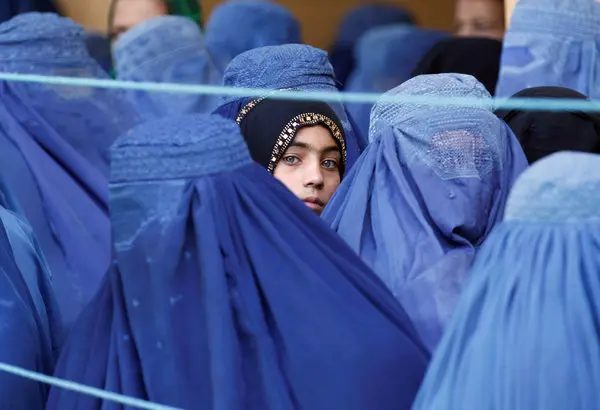
UN Women has renewed its call for the protection of the rights and freedoms of Afghan women and girls, stressing that they must be able to live in a society free from violence, discrimination, fear, and systemic restrictions.
In a report released on Tuesday, the organization emphasized that women and girls in Afghanistan are entitled to dignity, personal security, freedom of movement, access to education and employment, and meaningful participation in public, political, and social life without intimidation or discrimination.
The report stated that effective legal frameworks and institutions must be established to protect women from all forms of violence, abuse, and exploitation, while also ensuring equal access to justice, legal representation, and social support services.
UN Women further urged the Taliban authorities to ensure that all laws, regulations, and public policies are developed and implemented in ways that uphold and safeguard the fundamental rights and freedoms of women and girls across the country.
According to the agency, these measures should be fully aligned with international human rights conventions and Afghanistan’s obligations under international law, particularly those related to the protection of women, children, and other vulnerable groups.
The organization warned that the continued exclusion of women and girls from education, employment, and public life is having devastating long-term consequences for Afghanistan’s social stability, economic recovery, and humanitarian situation.
The statement comes amid growing international concern over the severe restrictions imposed since the Taliban’s return to power in August 2021. Afghan women and girls continue to face bans on secondary and higher education, strict limitations on employment opportunities, restrictions on travel and movement, and reduced participation in civic and public affairs.
International human rights organizations and humanitarian agencies have repeatedly warned that these restrictions are deepening Afghanistan’s humanitarian and economic crisis by depriving millions of families of income, education, and opportunities for self-sufficiency.
Aid agencies also caution that the exclusion of women from many sectors has weakened humanitarian operations and limited access to essential services for women and children, particularly in rural and vulnerable communities.
Afghanistan remains heavily dependent on international humanitarian assistance as poverty, unemployment, food insecurity, inflation, and limited healthcare access continue to affect large segments of the population. Women and children are considered among the most vulnerable groups facing the ongoing crisis.
UN Women reiterated that sustainable peace, development, and stability in Afghanistan cannot be achieved without the full inclusion, participation, and protection of women and girls in all aspects of society.
Our Pashto-Dari Website

Support Dawat Media Center
If there were ever a time to join us, it is now. Every contribution, however big or small, powers our journalism and sustains our future. Support the Dawat Media Center from as little as $/€10 – it only takes a minute. If you can, please consider supporting us with a regular amount each month. Thank you
DNB Bank AC # 0530 2294668
Account for international payments: NO15 0530 2294 668
Vipps: #557320

Comments are closed.