
This Time Is Different: Iranian Protesters Finally Have Power on Their Side
Ahmad Fawad Arsala

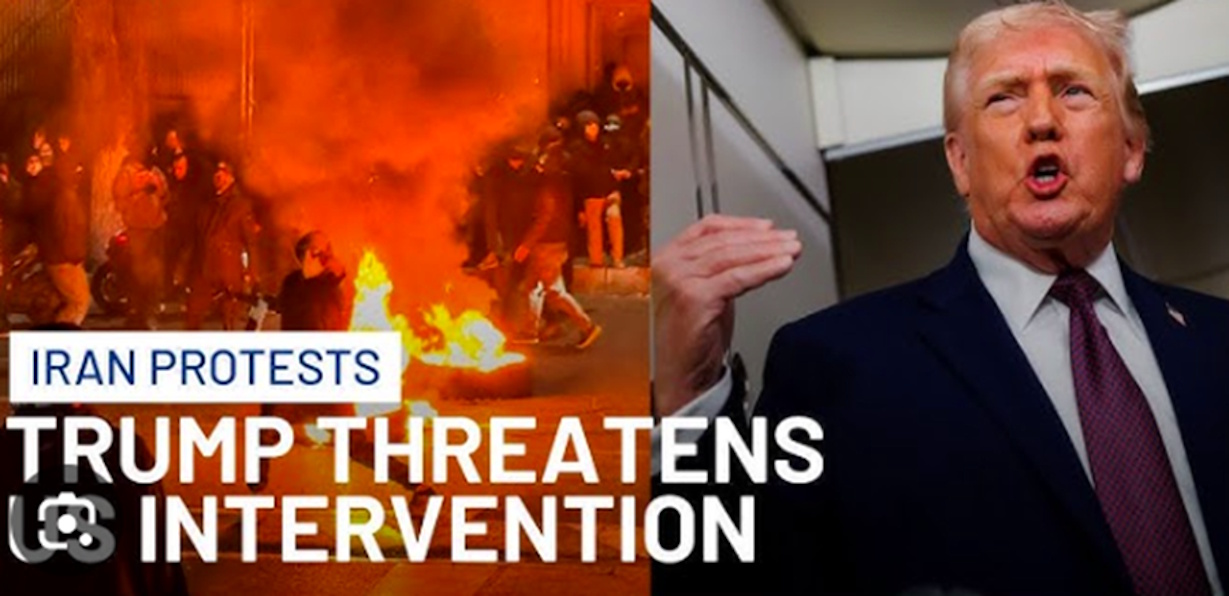
For decades, Iranian protesters have risen up knowing one bitter truth: no matter how brave, how widespread, or how justified their revolt, they would ultimately stand alone. Western leaders would issue statements. Diplomats would “express concern.” And the Islamic Republic would survive—again.
This time, that pattern has been broken.
Iran’s streets are once again alive with defiance, fueled by economic collapse, political suffocation, and a regime that can no longer even pretend to govern competently. What distinguishes this uprising from its predecessors is not only its scale or intensity, but the unmistakable signal coming from Washington: the protesters have vocal, explicit backing from a U.S. president who has already demonstrated he is willing to act.
Donald Trump is not speaking in abstractions. He is not urging “restraint on all sides.” He has openly encouraged Iranians to keep protesting and delivered a message that resonates powerfully inside the country: “Help is on its way.”
Those words matter—because they come from a leader whose record shows he follows through.
Last year, Trump oversaw a direct 12-day war with Iran that shattered the illusion of regime invulnerability. Iranian military assets were struck, command structures disrupted, and for the first time in decades Tehran faced sustained, open confrontation rather than managed escalation. The regime survived—but it was exposed.
Just recently, Trump removed Venezuela’s Nicolás Maduro, ending one of the world’s most entrenched authoritarian regimes. That operation sent a message far beyond Latin America: long-standing dictators are no longer untouchable.
Tehran understands this message clearly.
This is why Iranian officials themselves are now warning of “greater unrest” and openly acknowledging that grievances have reached a dangerous breaking point. Such admissions from within the system are rare—and revealing. The regime knows it is weaker than before, and it knows the external environment has changed.
Unlike past uprisings, Iranian protesters today are not simply confronting riot police and intelligence units; they are operating under the shadow of a U.S. president who has publicly aligned himself with their cause. That alignment alone shifts the balance. It emboldens demonstrators, fractures elite confidence, and forces security forces to question how far they can go before consequences arrive.
Trump has made clear that support does not stop at words. Economic pressure, diplomatic isolation, intelligence assistance, and—if necessary—military action are openly being discussed. This openness is itself unprecedented. Previous administrations worked quietly, cautiously, and ambiguously. Trump is doing the opposite: signaling strength in full view of both protesters and the regime.
For Iranians risking their lives in the streets, this matters more than any policy paper or U.N. resolution. Revolutions succeed not only when people rise, but when regimes believe they can no longer crush them without external cost.
That belief is now spreading inside Iran.
The Islamic Republic has survived for decades by betting that the world would ultimately look away. This time, that bet no longer holds. A U.S. president who has already crossed red lines, toppled dictators, and confronted Iran directly is now telling protesters to keep going.
History shows that when popular uprisings align with decisive external backing, regimes crack faster than expected. Iran may soon discover that the era of isolated protests has ended—and that this time, the streets have powerful allies watching, waiting, and ready.
Our Pashto-Dari Website

Support Dawat Media Center
If there were ever a time to join us, it is now. Every contribution, however big or small, powers our journalism and sustains our future. Support the Dawat Media Center from as little as $/€10 – it only takes a minute. If you can, please consider supporting us with a regular amount each month. Thank you
DNB Bank AC # 0530 2294668
Account for international payments: NO15 0530 2294 668
Vipps: #557320

Comments are closed.