
With Pakistan Corridors Blocked, Afghanistan Accelerates Push for New Trade Routes

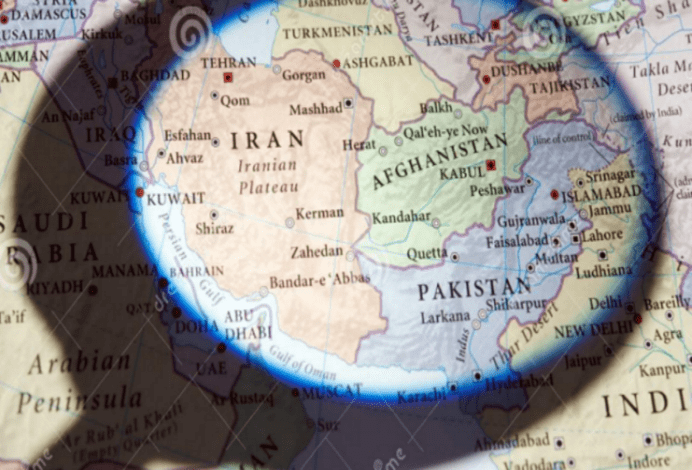
Afghanistan is intensifying efforts to diversify its trade corridors, a strategic pivot away from longstanding dependence on Pakistan following repeated and lengthy border closures that have crippled bilateral commerce. The major crossings at Torkham and Chaman—which historically handled an estimated 40 percent of Afghanistan’s official trade—endured extended shutdowns throughout late 2024 and into 2025. These closures, prompted by escalating tensions over cross-border militancy and security incidents, have inflicted severe economic damage. Afghan exporters, particularly of perishable fruits, vegetables, and dried nuts, reportedly faced monthly losses exceeding USD 200 million, while imports of essential commodities like fuel, wheat, and pharmaceuticals were delayed, fueling domestic inflation and periodic shortages.
In response, Kabul has aggressively prioritized alternative routes. This includes expanding the use of Iran’s Chabahar Port for access to India, developing new air cargo links, and enhancing overland connections with Uzbekistan, Turkmenistan, and Kazakhstan. The overarching goal is to construct a more resilient, multipolar trade network less vulnerable to unilateral disruptions.
A Relationship in Decline: Security Tensions and Economic Fallout
The deterioration in Pakistan-Afghanistan relations since the Taliban’s 2021 takeover has been a key driver of this shift. Islamabad’s persistent concerns regarding Tehreek-e-Taliban Pakistan (TTP) sanctuaries inside Afghanistan, coupled with Kabul’s objections to Pakistan’s stringent visa and transit policies, have compounded mutual distrust. The situation reached a critical point in October 2025, when border clashes prompted indefinite closures under counter-terrorism justifications.
Prior to this downturn, annual bilateral trade was estimated between USD 2.5 and 3 billion. Afghanistan exported approximately USD 1.5 billion in agricultural produce annually, while importing vital fuel and basic commodities via Pakistan’s Karachi and Gwadar ports. Analysts now estimate that figure has plummeted below USD 1 billion. The closures have created market distortions: Afghan agricultural products like grapes have sold at premium prices in Pakistan amid supply volatility, while hundreds of cargo trucks from both nations were left stranded at border points. Observers note that while Pakistan aimed to leverage economic pressure to extract security cooperation, the strategy may be backfiring, eroding Pakistan’s influence as Afghan traders are forced to adopt costlier but more reliable alternatives.
The Southern Anchor: Chabahar Port and Deepening Ties with India
A cornerstone of Afghanistan’s diversification is the Chabahar International Transport and Transit Corridor, underpinned by India’s long-term strategic investment. New Delhi’s USD 500 million commitment to the Iranian port, operational since 2018, provides Afghanistan a direct sea link bypassing Pakistan entirely. During Afghan Acting Industry Minister Nooruddin Azizi’s visit to India in November 2025, the two sides negotiated measures to boost trade toward USD 1 billion, including streamlined visas, reduced air-freight tariffs, and expanded cargo flights from Delhi, Amritsar, and Mumbai to Kabul.
Chabahar has already proven its utility, facilitating the delivery of over 1.5 million tonnes of Indian humanitarian wheat and pulses since 2022. More recently, it has enabled Afghan pomegranates and raisins to reach Indian markets within days instead of weeks. Despite operational complexities due to U.S. sanctions on Iran, the port’s competitive docking fees and efficient customs processing have reportedly boosted cargo volumes by 30 percent year-on-year, solidifying its role as a critical alternative.
The Northern Arc: Expanding Links with Central Asia
Concurrently, Afghanistan is rapidly expanding its northern trade corridors. Trade with Uzbekistan reached an estimated USD 1.1 billion in 2024, facilitated by the Hairatan rail terminal and the Termez bridge, with ambitions to approach USD 2 billion in 2025 through exchanges of Uzbek flour and machinery for Afghan minerals and agricultural goods. Turkmenistan’s Torghundi crossing has seen rising volumes of fuel and construction materials, while Kazakhstan has proposed a USD 3 billion regional transport roadmap involving road upgrades and dry port development.
Afghanistan’s membership in the Ashgabat Agreement since 2018 supports this multimodal connectivity, extending potential trade routes toward the Caspian region and even aligning with segments of China’s Belt and Road Initiative via the Wakhan Corridor. Taliban officials, including Deputy Prime Minister Mullah Abdul Ghani Baradar, have publicly urged traders to embrace these alternatives, framing Pakistan’s closures as economically coercive. Proponents argue that successful diversification could position Afghanistan as a central regional transit hub, unlocking projects like the long-planned CASA-1000 electricity transmission line.
Challenges and Constraints on the Road to Resilience
This strategic shift, however, faces formidable obstacles. Afghanistan’s internal infrastructure—marked by poor road quality, a dire lack of cold-chain storage, and limited rail integration—increases transportation costs by an estimated 20 to 40 percent for time-sensitive exports. Security risks persist on some northern routes, while navigating the complex and fluctuating transit regulations and tariffs in Iran and Central Asia adds layers of uncertainty and cost.
The economic toll is significant: customs revenues, a vital income source for the Afghan government, have reportedly fallen by roughly 25 percent due to border disruptions. The country’s modest projected economic growth of around 2.5 percent in 2025 remains heavily dependent on smooth imports, and humanitarian vulnerabilities persist, especially for wheat supplies during drought periods. Nevertheless, some analysts suggest that this forced diversification may spur long-term benefits, such as the development of value-added agricultural processing, expanded mineral exports to Asian markets, and joint logistics ventures that could gradually address Afghanistan’s chronic trade deficit, estimated at approximately USD 6 billion.
Geopolitical Reconfigurations and Long-Term Implications
The evolving trade patterns are redrawing regional economic alignments with profound geopolitical consequences. Pakistan risks strategic isolation as Afghanistan deepens economic cooperation with India and integrates more closely with Central Asian states. The growth of viable transit alternatives may also dilute the regional centrality of the China-Pakistan Economic Corridor (CPEC).
For Afghanistan, long-term success hinges on sustained infrastructure investment and deft diplomatic engagement, including efforts to secure sanctions exemptions for Iranian-linked port operations. If current strategies persist and logistical barriers are gradually overcome, Afghan officials estimate that trade via non-Pakistani routes could surge to USD 10 billion by 2027. While catalyzed by adversarial border policies, the push toward a broader, more diversified trade network may ultimately offer Afghanistan a pathway to greater economic sovereignty and resilience in an unstable region.
Our Pashto-Dari Website


Support Dawat Media Center
If there were ever a time to join us, it is now. Every contribution, however big or small, powers our journalism and sustains our future. Support the Dawat Media Center from as little as $/€10 – it only takes a minute. If you can, please consider supporting us with a regular amount each month. Thank you
DNB Bank AC # 0530 2294668
Account for international payments: NO15 0530 2294 668
Vipps: #557320

Comments are closed.