
Indonesia Floods Death Toll Soars to 442 as Isolated Survivors Scramble for Essentials

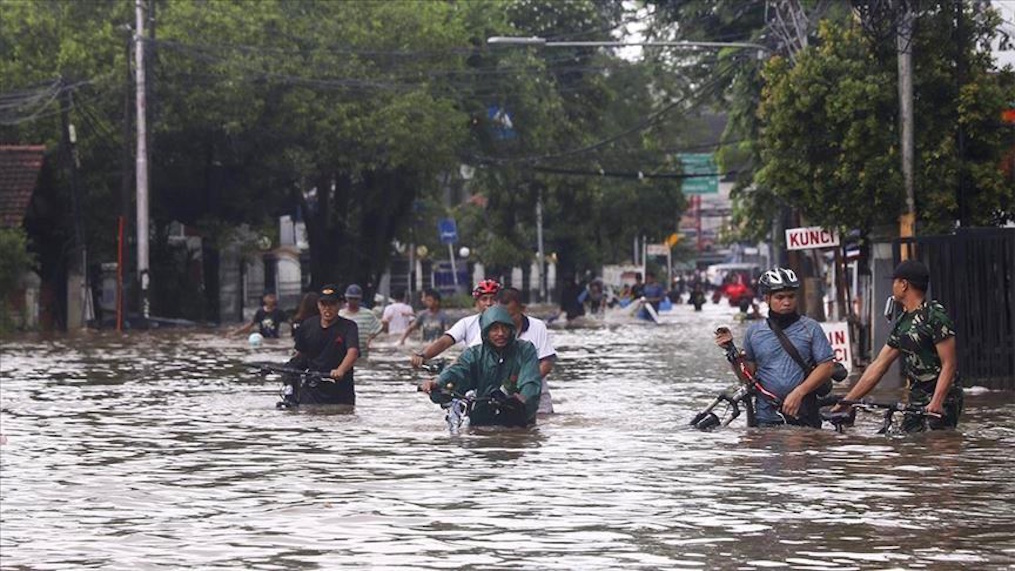
JAKARTA – The death toll from catastrophic flooding and landslides on Indonesia’s Sumatra island has climbed to 442, authorities confirmed Sunday, as rescue workers battle against time and damaged infrastructure to reach survivors who are growing increasingly desperate for food and clean water.
The disaster, triggered by exceptionally heavy monsoon rains, has left a trail of destruction across three provinces, displacing tens of thousands and cutting off entire communities. The National Disaster Management Agency (BNPB) reported that 402 people remain missing, a number that underscores the scale of the tragedy and the challenges facing search and rescue teams.
A Region in Crisis
The devastation is part of a wider regional crisis, with heavy seasonal monsoon rains overwhelming parts of Southeast Asia. Across Indonesia, Thailand, and Malaysia, the collective death toll has surpassed 600. The deluges have not only claimed lives but also triggered landslides, severed major roadways, and downed critical communication lines, complicating relief efforts and isolating the most vulnerable.
In Indonesia, the provinces of North Sumatra, West Sumatra, and Aceh have borne the brunt of the disaster. The situation remains most critical in the city of Sibolga and the Central Tapanuli district, which were described by BNPB head Suharyanto as “isolated” and requiring “full attention.”
“Access is our primary challenge,” Suharyanto stated. “We have deployed two warships from Jakarta carrying essential supplies, and they are expected to reach Sibolga by Monday.” The use of naval assets highlights the severity of the land access problems, where bridges have been washed out and roads buried under mud and debris.
Desperation Mounts in Isolated Communities
For those stranded, the situation is growing increasingly dire. In the absence of organized aid convoys, survivors have been forced to take matters into their own hands. Videos circulating on social media, verified by local journalists, depict scenes of desperation: residents scrambling over collapsed barricades and through flooded streets, often in waist-deep water, to reach damaged stores in search of food, medicine, and cooking gas.
“The aid is taking too long. We have nothing left. My children are hungry, and the water is contaminated,” said Rina, a mother of two in a suburban area of Sibolga, in a brief phone interview before the line cut out. “We are drinking rainwater, but we are afraid it is not safe.”
Rescue efforts have been persistently hampered by continuing poor weather and a critical shortage of heavy machinery needed to clear landslides. The very geography of Sumatra—a rugged, volcanic island—makes many communities inherently difficult to reach even in the best of conditions.
Climate Change and a Recurring Nightmare
The annual monsoon season, which typically runs from June to September, is a familiar threat in Southeast Asia. However, scientists and disaster officials point to the increasing intensity of these weather events, driven by a warming climate.
“This is not a normal monsoon,” said Dr. Anindya Dewanti, a climatologist at the University of Indonesia. “Climate change is supercharging our weather systems. We are seeing warmer oceans feeding more energy into storms, resulting in unprecedented rainfall volumes over shorter periods. The patterns are changing, and the consequences are exactly what we are witnessing now: flash flooding and landslides on a scale that is becoming tragically more common.”
The current flooding in Indonesia and Thailand ranks among the deadliest in both countries in recent years, raising urgent questions about disaster preparedness, land-use planning in flood-prone areas, and the escalating impacts of the global climate crisis.
As the warships carrying life-saving supplies make their way to the coast of Sumatra, the hope is that they can stave off a deeper humanitarian catastrophe. For the thousands still stranded, and for the families of the 402 missing, the wait for help—and for answers—continues.

Support Dawat Media Center
If there were ever a time to join us, it is now. Every contribution, however big or small, powers our journalism and sustains our future. Support the Dawat Media Center from as little as $/€10 – it only takes a minute. If you can, please consider supporting us with a regular amount each month. Thank you
DNB Bank AC # 0530 2294668
Account for international payments: NO15 0530 2294 668
Vipps: #557320

Comments are closed.