
Lebanon’s Foreign Minister Declines Visit to Tehran, Proposes Neutral Ground for Talks on Bilateral Relations

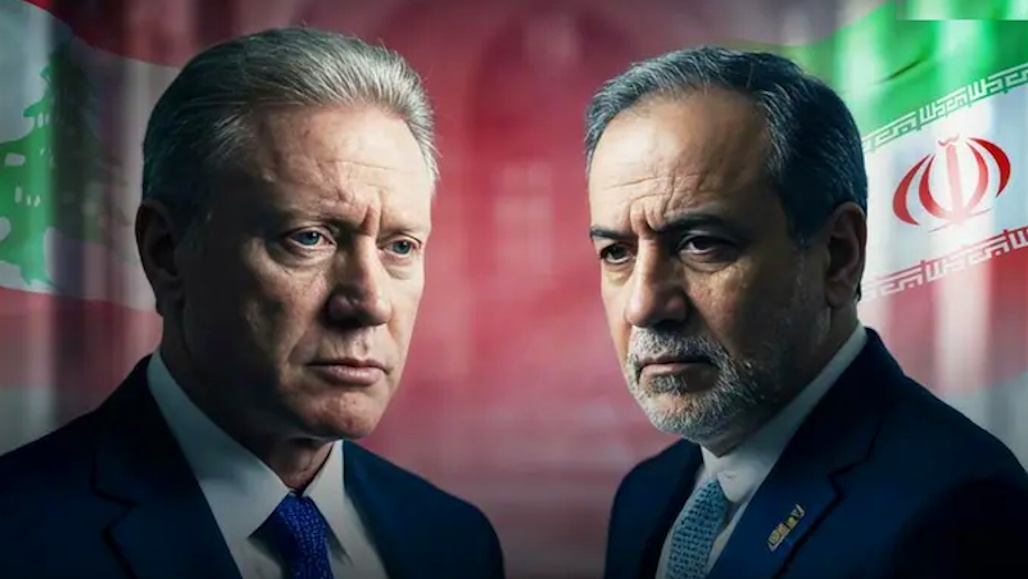
BEIRUT – Lebanon’s Foreign Minister, Youssef Raggi, has declined for now an official invitation to visit Iran, instead proposing that high-level talks between the two nations be held in a neutral third country, according to a statement from the Lebanese Ministry of Foreign Affairs on Wednesday.
The invitation was extended last week by Iranian Foreign Minister Abbas Araghchi, seeking discussions on bilateral relations. Minister Raggi, however, stressed that his decision “does not mean rejecting dialogue,” but rather reflects that “the favorable conditions are not available” for a visit to Tehran at this time.
According to a statement reviewed by the top Lebanese diplomat expressed a willingness to engage, suggesting that talks could be convened in a mutually agreeable neutral location. This counter-proposal underscores the delicate and complex nature of current Lebanon-Iran relations, which are heavily influenced by regional tensions and Iran’s powerful political and military support for the Lebanese group Hezbollah.
In his communication with Araghchi, Raggi laid out a clear precondition for improved ties. He expressed “full readiness to open a new era of constructive relations between Lebanon and Iran,” but insisted it must be founded “exclusively on mutual and ultimate respect to the independence and sovereignty of each country and the non-interference in internal affairs under any pretext.”
The Foreign Minister’s remarks contained an implicit, yet unmistakable, reference to Hezbollah. He conveyed a “firm conviction” that no strong state can be built unless the government holds “the exclusive right to hold weapons and the exclusive decision in matters of peace and war.” This statement directly addresses a central and longstanding point of contention in Lebanese politics and a key demand from domestic critics and the international community.
Raggi concluded his message with an open invitation, telling Araghchi, “You will always be welcome to visit Lebanon.”
Context: Hezbollah at a Crossroads
The backdrop to this diplomatic exchange is a period of significant pressure on Hezbollah. The group, long a dominant political and military force in Lebanon, was severely weakened by intense Israeli strikes last year, leading to a U.S.-brokered ceasefire. It now faces mounting domestic and international calls to disarm and place its extensive arsenal under the sole control of the Lebanese state.
The visit to Beirut in August by Iran’s top security official, Ali Larijani, further highlighted the regional stakes. During his trip, Larijani cautioned Lebanese officials not to “confuse its enemies with its friends,” a remark widely interpreted as a warning against aligning with Western or Gulf Arab interests at the expense of ties with Iran and its allies.
Analysis
Raggi’s decision to avoid Tehran and insist on neutral ground is a carefully calibrated diplomatic move. It signals a desire to engage with Iran while publicly asserting Lebanon’s sovereignty and creating distance from the perception of direct Iranian influence. By emphasizing the principles of non-interference and state monopoly on force, the Lebanese stance aligns with broader international demands and domestic political sentiments, even as the country navigates profound economic and political crises. The proposal for neutral venue talks sets the stage for a potentially tense but crucial dialogue, reflecting Lebanon’s precarious balancing act in a divided region.
Our Pashto-Dari Website

Support Dawat Media Center
If there were ever a time to join us, it is now. Every contribution, however big or small, powers our journalism and sustains our future. Support the Dawat Media Center from as little as $/€10 – it only takes a minute. If you can, please consider supporting us with a regular amount each month. Thank you
DNB Bank AC # 0530 2294668
Account for international payments: NO15 0530 2294 668
Vipps: #557320

Comments are closed.