
Over 4,500 Afghans Forcibly Return from Iran and Pakistan in Single Day, Highlighting Deepening Regional Crisis

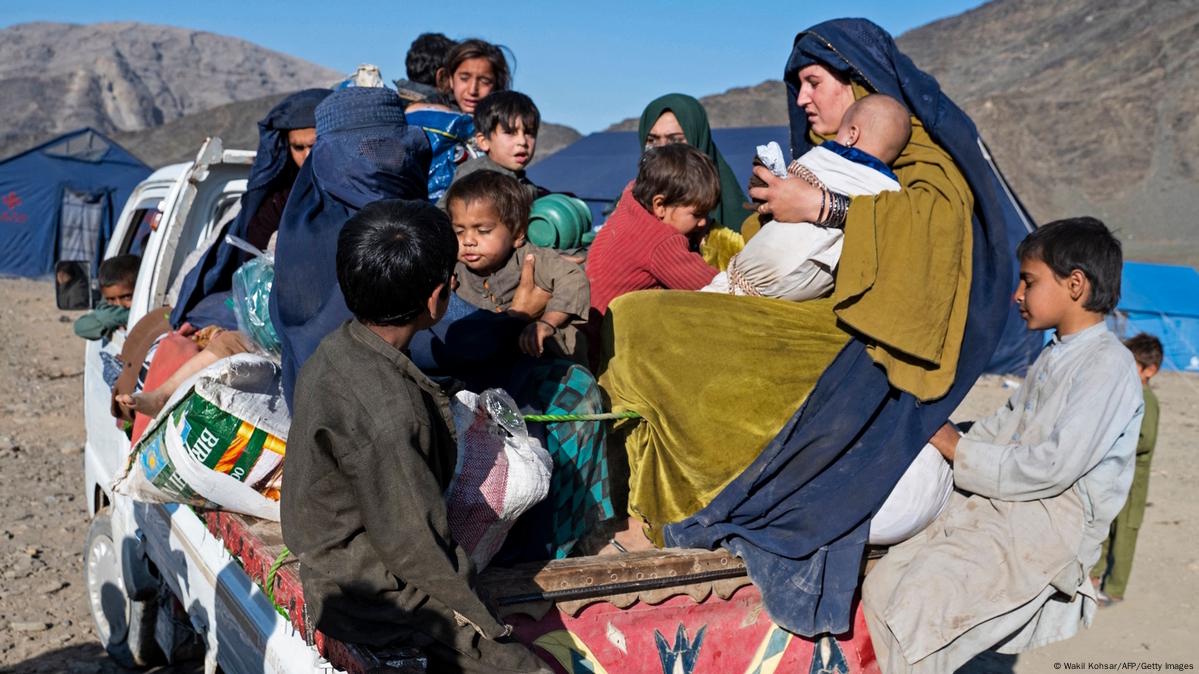
More than 4,500 Afghan refugees were deported from neighboring Iran and Pakistan in a single day, authorities reported on Thursday, marking a sharp escalation in the ongoing forced repatriation of migrants from both countries.
Mullah Hamdullah Fitrat, deputy spokesman for the Islamic Emirate of Afghanistan (IEA), shared a report from the High Commission for Addressing Migrants’ Issues on social media platform X. The data revealed that a total of 863 families, comprising 5,591 individuals, returned to Afghanistan on Wednesday alone. This figure is nearly double the number of returnees reported just a day earlier, when over 3,000 Afghan migrants were forcibly repatriated.
According to the report, the returnees entered the country through five major border crossings:
-
Islam Qala in Herat (from Iran)
-
Pul-i-Abresham in Nimroz (from Iran)
-
Spin Boldak in Kandahar (from Pakistan)
-
Bahramcha in Helmand (from Pakistan)
-
Torkham in Nangarhar (from Pakistan)
A Mounting Humanitarian Challenge
The mass arrivals present a severe challenge to Afghanistan’s already strained humanitarian and economic infrastructure. Fitrat noted that authorities facilitated the transport of 1,311 returning families (7,165 individuals) to their provinces of origin. Additionally, 849 families received immediate humanitarian assistance upon arrival, though the specific nature of the aid was not detailed.
In a gesture aimed at aiding reintegration, local telecommunication companies distributed 937 SIM cards to returning individuals to help them reconnect with networks inside Afghanistan.
Context of Regional Crackdowns
The surge in returns is part of a broader regional crackdown on undocumented migrants. Pakistan initiated a nationwide campaign last year to expel all foreigners without legal status, setting a series of deadlines for voluntary return. Iranian authorities have also periodically conducted mass deportations, citing economic pressures. The combined push from both nations has created a steady stream of returnees flowing back into Afghanistan, a country grappling with profound economic hardship, a collapsed banking system, and one of the world’s most severe humanitarian crises following the Taliban’s return to power in 2021.
Human rights organizations and aid agencies have repeatedly raised alarms about the conditions facing returnees. Many arrive with little more than the clothes on their backs, having lost livelihoods and savings abroad. They return to a homeland plagued by drought, unemployment, and a near-total freeze on international development aid, raising fears of a spiraling internal displacement crisis.
The Afghan administration has appealed for international support to manage the influx and provide for the basic needs of its returning citizens, while also calling on Pakistan and Iran to halt the deportations and adopt a more “gradual and humane” process. The single-day figure of over 4,500 returnees underscores the urgent scale of the situation, with tens of thousands more reportedly still awaiting deportation in holding centers across the border.
Our Pashto-Dari Website


Support Dawat Media Center
If there were ever a time to join us, it is now. Every contribution, however big or small, powers our journalism and sustains our future. Support the Dawat Media Center from as little as $/€10 – it only takes a minute. If you can, please consider supporting us with a regular amount each month. Thank you
DNB Bank AC # 0530 2294668
Account for international payments: NO15 0530 2294 668
Vipps: #557320

Comments are closed.