
Senior UK Special Forces Officer Testifies to “Widespread” War Crimes in Afghanistan Inquiry

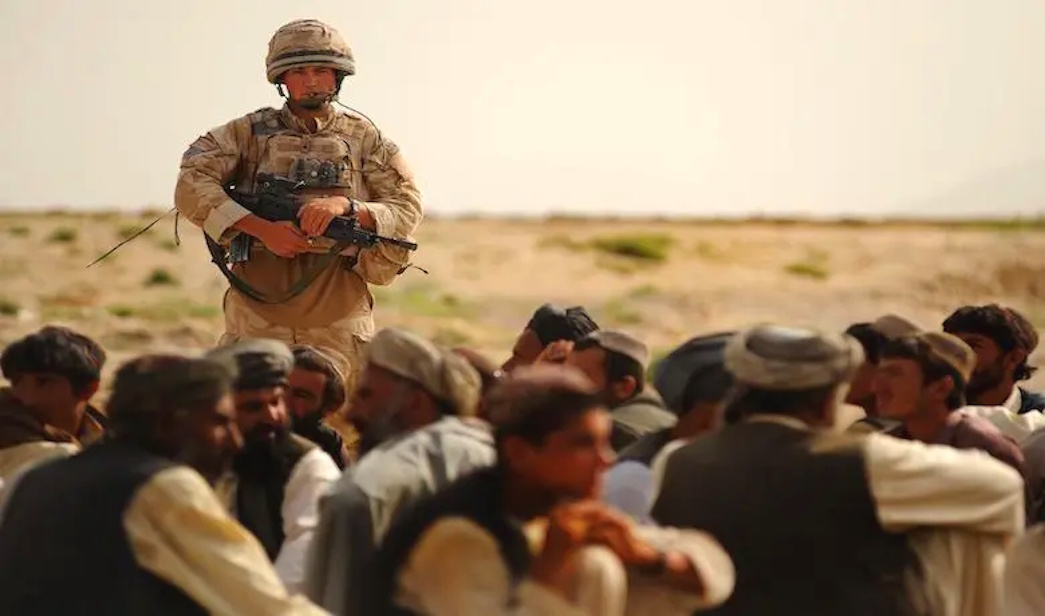
A former senior British special forces officer has delivered explosive testimony to a public inquiry, stating that UK troops in Afghanistan appeared to commit war crimes through the execution of detainees, and that knowledge of these acts was widespread within the chain of command, yet nothing substantive was done to stop it.
The inquiry, ordered by Britain’s Ministry of Defence (MoD), was launched following a 2022 BBC Panorama investigation which reported that soldiers from the elite Special Air Service (SAS) had killed 54 people in suspicious circumstances during night raids more than a decade ago.
Systematic Suspicion and Ignored Warnings
The officer, identified only as N1466, served as the Assistant Chief of Staff for Operations in UK Special Forces Headquarters in 2011. In evidence given privately but released publicly this week, he described growing deeply alarmed by official reports from a specific SAS sub-unit, known as UKSF1.
His suspicion was triggered by a glaring discrepancy: the number of enemies reported killed in action (EKIA) consistently exceeded the number of weapons recovered. Furthermore, after-action reports repeatedly contained identical, implausible narratives—that detained, unarmed men would suddenly attempt to grab weapons or use grenades, necessitating their killing.
“I will be clear we are talking about war crimes,” N1466 told the inquiry’s lead lawyer, Oliver Glasgow. “We are talking about taking detainees back on target and executing them with a pretense.”
A Culture of Impunity and Failed Oversight
N1466 testified that he raised his grave concerns directly with the then-Director of Special Forces (codenamed 1802). Instead of launching a criminal investigation, the commander ordered only a tactical review. N1466 expressed profound regret for not bypassing his chain of command and going directly to the Royal Military Police at the time.
“I was deeply troubled by what I strongly suspected was the unlawful killing of innocent people, including children,” he stated. “I had come to the view that the issue of extra-judicial killings was not confined to a small number of soldiers… but was potentially more widespread, and was apparently known to many in UKSF.”
His testimony paints a picture of a command structure that turned a blind eye, allowing a toxic culture to fester. The inquiry has also heard that operational frustrations—such as the Afghan judicial system’s inability to process detainees—and intense rivalry between special forces units may have contributed to a permissive environment.
A Long-Awaited Search for Truth
This inquiry, chaired by senior judge Charles Haddon-Cave, is the most significant independent examination of alleged UK special forces crimes in Afghanistan. It follows several inconclusive investigations by the Royal Military Police, which the MoD stated found insufficient evidence for prosecution.
Judge Haddon-Cave has emphasized the inquiry’s dual purpose: to refer any credible evidence of criminality to the relevant authorities and to “lift the cloud of suspicion” from those who served with honor.
The inquiry is scrutinizing dozens of raids conducted between mid-2010 and mid-2013, a period marked by intense counter-insurgency operations. It aims to determine:
-
Whether credible information of extra-judicial killings existed.
-
Whether subsequent military police investigations were properly conducted.
-
Whether there was an organized cover-up of unlawful killings.
“Not What We Stand For”
In a powerful conclusion to his released statement, N1466 rejected any suggestion of personal vendetta and framed his testimony as a moral duty.
“We didn’t join the UKSF for this sort of behavior,” he said. “You know, toddlers to get shot in their beds or random killing. It’s not special, it’s not elite, it’s not what we stand for and most of us I don’t believe would either wish to condone it or to cover it up.”
The ongoing inquiry continues to hear evidence, with its findings poised to have profound implications for the reputation of Britain’s most secretive military units and the accountability of its high command.
Support Dawat Media Center
If there were ever a time to join us, it is now. Every contribution, however big or small, powers our journalism and sustains our future. Support the Dawat Media Center from as little as $/€10 – it only takes a minute. If you can, please consider supporting us with a regular amount each month. Thank you
DNB Bank AC # 0530 2294668
Account for international payments: NO15 0530 2294 668
Vipps: #557320

Comments are closed.