
Deadly Unrest in Pakistan-Administered Kashmir: 24 Killed, 97 Wounded as Protests Intensify

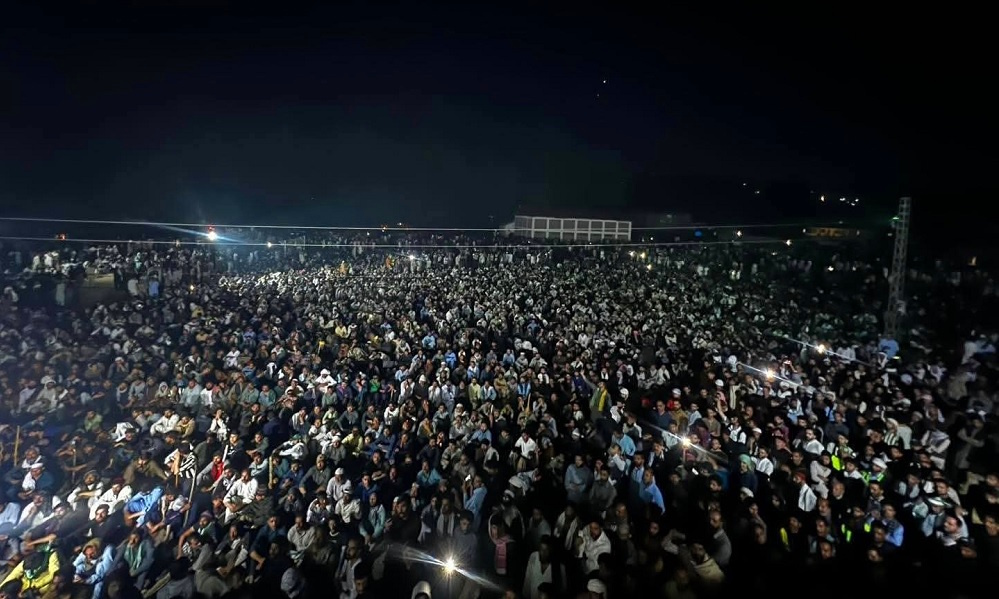
At least 24 people have lost their lives, 97 others have been injured, and more than 515 individuals have been detained amid escalating protests in Pakistan-administered Kashmir, according to local media reports published on Saturday. The unrest, which has now entered its third day, has triggered widespread shutdowns, road blockades, and severe internet disruptions across the region, paralyzing daily life and raising international concern over the deteriorating law-and-order situation.
Trigger of the Protests
The demonstrations began in the lead-up to a general strike called by the Joint Awami Action Committee (JAAC), a coalition of political and civic groups, against a controversial decision regarding the allocation of 12 reserved seats in the region’s 45-seat legislative assembly. These seats were set aside for refugees and displaced persons originally from Indian-administered Jammu and Kashmir, who have settled on the Pakistani side of the Line of Control. Protesters argue that the move dilutes the political representation of local Kashmiris and undermines the region’s demographic and electoral integrity, accusing the federal government of unilaterally imposing the decision without consulting local stakeholders.
Violence and Casualties
Quoting the regional police chief, Sky News reported that four police officers were among the dead, killed during fierce clashes with demonstrators. Security forces have used tear gas, baton charges, and, in some instances, live ammunition to disperse crowds, though authorities have yet to issue an official statement on the exact circumstances of the casualties. Hospitals in Muzaffarabad and Rawalakot have been overwhelmed, with medical staff appealing for blood donations and emergency supplies.
Government Crackdown and JAAC Ban
In a move that has further inflamed tensions, the Pakistani government recently declared the JAAC a banned organization, labeling it a threat to public order. Despite the ban, thousands of JAAC supporters gathered on the outskirts of Rawalakot, a town approximately 100 kilometers south of Muzaffarabad, vowing to continue their sit-in until their demands are met. The government has defended its actions, citing the need to maintain stability, but critics accuse Islamabad of using excessive force and stifling dissent in a region already fraught with historical grievances.
Widespread Disruptions and Media Blackout
In response to the protests, Pakistani authorities have imposed sweeping restrictions:
-
Transport and mobility: Major highways, including the key road linking Muzaffarabad to Rawalpindi, have been blocked with shipping containers and barbed wire, effectively cutting off the region from the rest of the country.
-
Internet and telecommunications: Mobile internet and broadband services have been suspended across large parts of Azad Kashmir, crippling banking operations, online commerce, and communication. Several banks remain closed, and petrol stations have been ordered to shut down, exacerbating shortages.
-
Media access: Local and international journalists have reported restricted access to protest zones, with authorities denying press credentials and blocking live broadcasts. This has raised concerns among human rights groups about a deliberate information blackout.
Economic and Humanitarian Impact
The shutdown has taken a heavy toll on the local economy. In Muzaffarabad, the regional capital, markets and businesses have remained shuttered for consecutive days, with many residents struggling to obtain basic necessities such as food, medicine, and fuel. Schools and universities have also been closed, and emergency services have been stretched thin. Humanitarian organizations have called for safe corridors to deliver aid, but the security clampdown has hindered relief efforts.
Political Repercussions and Regional Context
The unrest comes at a sensitive time, as Pakistan grapples with its own political and economic crises, including mounting debt and post-flood reconstruction challenges. The protests in Kashmir add a new layer of instability, potentially straining Islamabad’s relations with local political factions and further isolating the region internationally. India, meanwhile, has reportedly been monitoring the situation closely, though New Delhi has not yet issued an official comment.
Looking Ahead
As of Saturday evening, no breakthrough in negotiations has been reported. JAAC leaders have rejected offers for dialogue unless the reserved-seat decision is revoked and the ban on their organization lifted. The Pakistani government, however, has signaled it will not bow to “illegal pressure,” raising fears of a prolonged standoff. With internet shutdowns hindering the flow of information and international observers calling for restraint, the coming days will be critical in determining whether the violence escalates or de-escalates.
The United Nations and several human rights advocacy groups have urged both sides to exercise maximum restraint and pursue peaceful dialogue, emphasizing the need to protect civilian lives and uphold fundamental freedoms in the disputed territory.
Our Pashto-Dari Website

Support Dawat Media Center
If there were ever a time to join us, it is now. Every contribution, however big or small, powers our journalism and sustains our future. Support the Dawat Media Center from as little as $/€10 – it only takes a minute. If you can, please consider supporting us with a regular amount each month. Thank you
DNB Bank AC # 0530 2294668
Account for international payments: NO15 0530 2294 668
Vipps: #557320

Comments are closed.