
Iran President Says US Naval Blockade ‘Doomed to Fail’ as Talks Stall and Oil Prices Surge

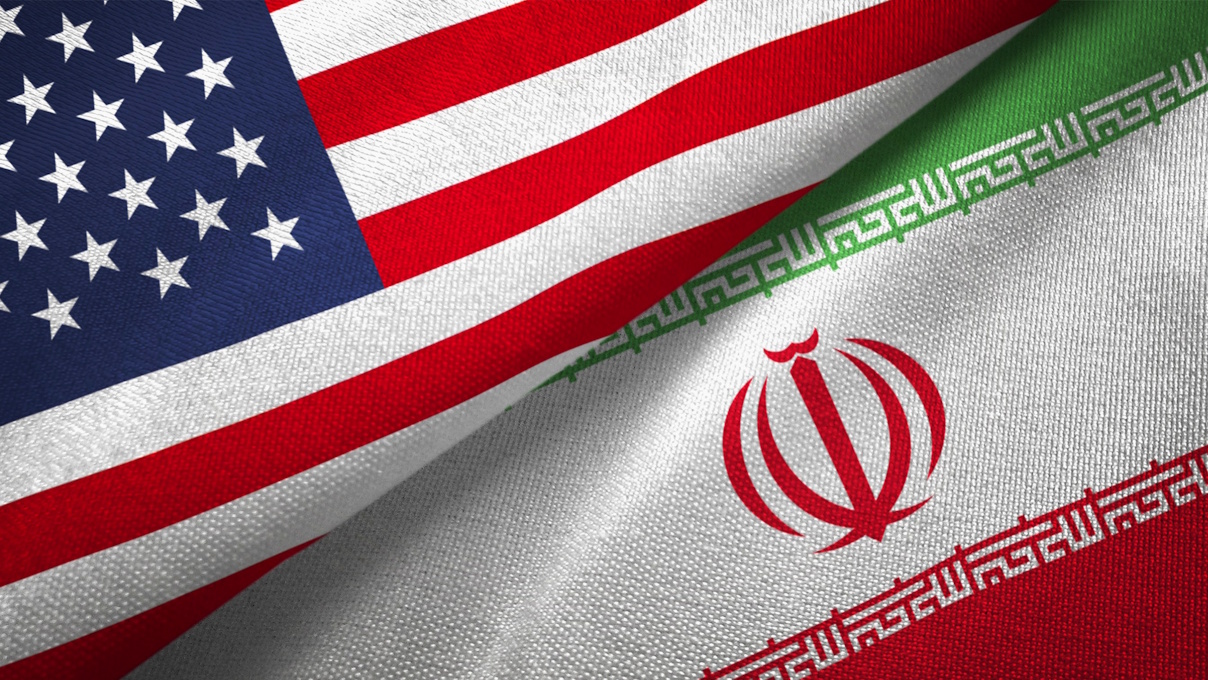
TEHRAN/WASHINGTON – Iran warned the United States on Thursday that its newly imposed naval blockade is “doomed to fail,” as President Donald Trump signaled the siege could continue for months. The escalating confrontation has wreaked havoc on global energy markets, sending oil prices to their highest levels in four years.
Brent crude for June delivery surged 7.1% to over $126 per barrel, reflecting growing fears over supply disruptions. In response, Iranian President Masoud Pezeshkian issued a stark warning that the blockade would only further destabilize an already volatile Middle East.
The United States imposed the blockade on Iran’s ports on April 13, while Tehran has maintained its strategic stranglehold over the Strait of Hormuz a vital chokepoint through which approximately one-fifth of the world’s oil typically passes since hostilities escalated in February.
“Any attempt to impose a maritime blockade or restrictions is contrary to international law and the principles of navigation,” Pezeshkian said in a statement. “Such an action is doomed to fail and will only cause a lasting disruption to stability in the Arabian Gulf.”
Trump to Receive Military Briefing on Iran
According to two sources familiar with US planning, President Trump is expected to receive a briefing on Thursday from Admiral Brad Cooper, head of US Central Command (CENTCOM), regarding new plans for potential military action against Iran. The news was first reported by Axios.
This week, Trump reportedly instructed oil executives and national security officials to prepare for a protracted US naval campaign designed to force Tehran to abandon its nuclear ambitions. Speaking to Axios, Trump said: “They are choking like a stuffed pig. And it is going to be worse for them.”
CENTCOM announced on Wednesday that it had reached a “significant milestone” after successfully redirecting the 42nd commercial vessel attempting to violate the blockade. The command stated that “41 tankers with 69 million barrels of oil that the Iranian regime can’t sell” remain blocked, estimating the total value at over $6 billion.
Economic Toll and Regional Fallout
Domestically, Trump faces mounting political pressure to end the war, which remains unpopular even among many of his core supporters. The conflict has driven up costs for American consumers and unnerved US allies. Iran’s economy is also reeling, with the rial plunging to historic lows against the US dollar.
In retaliation for the blockade and prior strikes, Iran has sought to exact a price by tightening its control over the Strait of Hormuz, drastically reducing traffic through the waterway. The disruption has shaken global markets and pushed oil and liquefied natural gas shipments close to a standstill.
Nuclear Program Remains Core Sticking Point
Top US officials, including Vice President JD Vance, have twice canceled trips to Pakistan intended to mediate with Iran, as Washington struggles to identify a clear negotiating partner. Following Israeli strikes that killed several senior Iranian commanders, US officials say they are uncertain whether power lies with the hardline Islamic Revolutionary Guard Corps (IRGC) or the country’s diplomatic corps.
Iran has tentatively proposed easing its chokehold on the Strait of Hormuz in exchange for Washington lifting the blockade and initiating broader negotiations. However, the Trump administration insists that any talks must prioritize Iran’s nuclear program a condition Tehran has so far rejected.
“The issue is always nuclear,” a senior US official said on condition of anonymity. Iran maintains that its nuclear activities are for peaceful purposes under the Non-Proliferation Treaty, but Washington views its enrichment progress as an imminent threat.
Iranian Parliament Speaker Mohammad Bagher Ghalibaf, a key figure since the war began, said Wednesday that the US blockade aims to create internal divisions and “make us collapse from within.”
Escalation on Other Fronts
Violence has also continued on the Lebanese front, despite a recently extended ceasefire between Israel and Hezbollah, the Iran-backed militant group whose rocket attacks drew Lebanon into the wider conflict. Israel has responded with airstrikes and a ground invasion.
For the first time since the ceasefire took effect, the Lebanese army reported that an Israeli strike targeted its troops on Tuesday, wounding two soldiers in the south. A second strike on Wednesday killed a Lebanese soldier. Lebanese President Joseph Aoun said, “Israel must finally realize that the only path to security is through negotiations, but it must first fully implement the ceasefire.”
A UN-backed report released Wednesday warned that more than 1.2 million people in Lebanon are expected to face acute hunger as a result of the latest war.
CENTCOM’s Military Options
According to Axios, CENTCOM has drawn up plans for a “short and powerful” wave of strikes on Iran, likely targeting infrastructure, “in hopes of breaking the negotiating deadlock.” Another option under consideration involves seizing partial control of the Strait of Hormuz to reopen it to commercial shipping, an operation that could require ground forces.
A more sensitive proposal includes a potential special forces mission to secure or disable Iran’s stockpile of highly enriched uranium. Chairman of the Joint Chiefs of Staff General Dan Caine is also expected to attend Thursday’s briefing.
A fragile three-week ceasefire in the broader Iran war remains in place, though both sides have accused each other of violations. The conflict began on February 28 when the US and Israel launched coordinated strikes on Iran. Tehran retaliated with missile attacks on Israel and Gulf states. Thousands have been killed and millions displaced across the region.
Neither the White House nor CENTCOM immediately responded to requests for comment on the Axios report.
With Reuters
Our Pashto-Dari Website

Support Dawat Media Center
If there were ever a time to join us, it is now. Every contribution, however big or small, powers our journalism and sustains our future. Support the Dawat Media Center from as little as $/€10 – it only takes a minute. If you can, please consider supporting us with a regular amount each month. Thank you
DNB Bank AC # 0530 2294668
Account for international payments: NO15 0530 2294 668
Vipps: #557320

Comments are closed.