

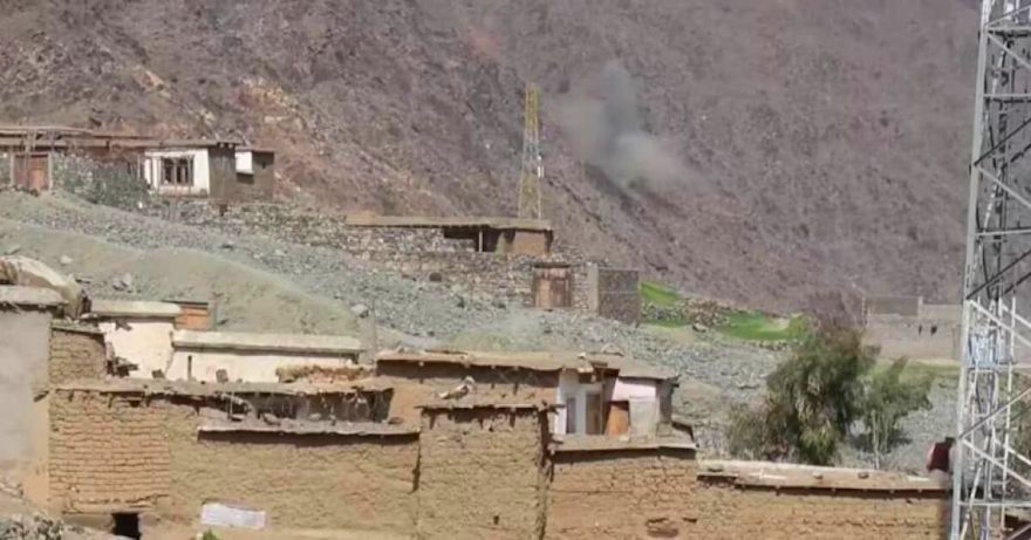
Ongoing clashes along the Afghanistan–Pakistan border have severely disrupted access to education for approximately 12,000 students, exacerbating an already fragile humanitarian situation in eastern Afghanistan.
According to the United Nations, recent fighting between Taliban forces and Pakistani military units has forced widespread school closures in border regions. The impact has been particularly acute in Kunar Province, where insecurity, displacement, and infrastructure damage have combined to halt educational activities for thousands of children.
Reports indicate that at least 22 schools in Kunar have been either damaged or completely destroyed during the violence. As a result, large numbers of students have been left without access to classrooms, teachers, or basic learning materials. In several affected districts, entire villages have been partially depopulated as families flee ongoing hostilities.
The conflict, which has persisted for nearly two months, reflects deepening tensions between Pakistan and the Taliban-led authorities in Afghanistan. Islamabad has repeatedly accused militant groups of using Afghan territory as a base for cross-border attacks, an allegation the Taliban government has consistently denied. These mutual accusations have contributed to a cycle of escalation and retaliatory violence along the frontier.
Beyond its immediate security implications, the conflict is driving a broader humanitarian crisis. Thousands of civilians have been displaced, many of whom are now living in temporary shelters with limited access to food, clean water, healthcare, and education. Displacement has further disrupted children’s learning continuity, increasing the risk of long-term educational loss and school dropout.
Local educators report that even students whose schools remain structurally intact are often unable to attend due to safety concerns, lack of transportation, or the absence of teaching staff who have also been displaced. In some areas, informal or temporary learning arrangements have been attempted, but these remain insufficient to meet the scale of need.
The United Nations has warned that the cumulative impact of the violence extends beyond education, noting that hundreds of civilians have reportedly been killed since the clashes began. The situation highlights the disproportionate burden of conflict on children and other vulnerable populations, particularly in regions already affected by poverty and limited infrastructure.
Humanitarian agencies and displaced families are calling for urgent international assistance, including the provision of emergency education services, reconstruction of damaged schools, and protection measures to ensure safe access to learning. Without timely intervention, there is concern that the disruption could have lasting consequences for an entire generation of students in the affected areas.
Our Pashto-Dari Website

Support Dawat Media Center
If there were ever a time to join us, it is now. Every contribution, however big or small, powers our journalism and sustains our future. Support the Dawat Media Center from as little as $/€10 – it only takes a minute. If you can, please consider supporting us with a regular amount each month. Thank you
DNB Bank AC # 0530 2294668
Account for international payments: NO15 0530 2294 668
Vipps: #557320

Comments are closed.