
Iran Red Crescent Sharply Revises Casualty Figures, Reporting 787 Killed in US and Israeli Strikes

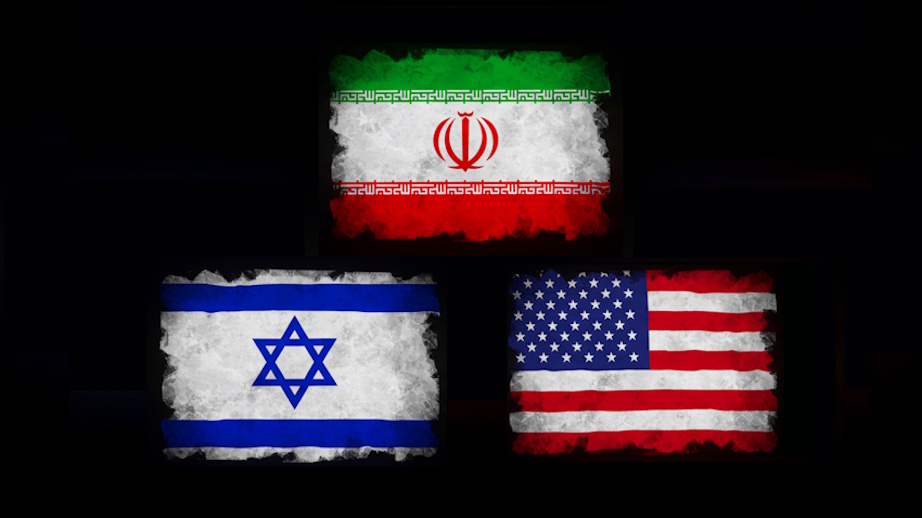
Tehran, Iran – The Iran Red Crescent Society (IRCS) has issued a stark revision of the human toll from ongoing airstrikes, announcing on Tuesday that at least 787 people have been killed in what it describes as military operations conducted by the United States and Israel. The updated figure marks a significant escalation from previous reports and underscores the intensifying humanitarian impact of the conflict, now entering its fourth day.
In a statement published on its official X account on March 3, the humanitarian organization detailed that its rescue teams remain actively deployed in affected areas, warning that “the number of victims could rise further” as search and recovery operations continue. The IRCS had initially reported 555 fatalities, but explained that new assessments, collated from overwhelmed hospitals and emergency responders on the ground, paint a far grimmer picture of death and injury.
The revised toll comes amid reports of strikes targeting locations beyond the initial flashpoints. Earlier on Tuesday, Iranian media confirmed that 13 members of the country’s armed forces were killed in a strike in the southeastern city of Kerman, highlighting the expanding geographic scope of the aerial campaign. The inclusion of Kerman, a city previously considered distant from the main theaters of conflict, suggests a broadening of military objectives and has raised alarms in Tehran about the vulnerability of its interior.
The confrontation has prompted a fierce rhetorical response from Iran’s leadership. Foreign Minister Seyed Abbas Araghchi directly accused the United States and Israel of targeting civilian infrastructure, alleging that non-military facilities were deliberately struck during the attacks. “These actions constitute a violation of international law and will not go unanswered,” Araghchi was quoted as saying by state media, though he stopped short of detailing specific retaliatory measures.
The current escalation, which began four days ago, represents a perilous new chapter in the long-running shadow war between Iran and its adversaries. Tensions between Tehran, Washington, and Jerusalem have simmered for years, fueled by disputes over Iran’s nuclear program, competing regional influence in countries like Syria and Iraq, and periodic military exchanges, often involving proxy forces. However, the scale and directness of the reported strikes, coupled with the high civilian casualty figures, mark a dangerous departure from past patterns of calibrated, covert operations.
The crisis has sent tremors across the already volatile Middle East. Previous flare-ups have historically triggered urgent international calls for de-escalation, with global powers expressing concern that a prolonged conflict could disrupt vital energy shipments through the Strait of Hormuz and ignite a wider regional war. As of now, however, diplomatic efforts to contain the situation appear muted and ineffective amid the intensifying military exchanges.
With fighting continuing and no off-ramp in sight, humanitarian agencies are bracing for further civilian suffering. The IRCS has appealed for international medical aid and has warned that its resources are being stretched thin as it struggles to tend to the wounded and recover those trapped under rubble, underscoring the mounting human cost of a conflict that shows no signs of abating.
Our Pashto-Dari Website

Support Dawat Media Center
If there were ever a time to join us, it is now. Every contribution, however big or small, powers our journalism and sustains our future. Support the Dawat Media Center from as little as $/€10 – it only takes a minute. If you can, please consider supporting us with a regular amount each month. Thank you
DNB Bank AC # 0530 2294668
Account for international payments: NO15 0530 2294 668
Vipps: #557320

Comments are closed.