
UN Doubles Lebanon Aid Appeal to Nearly $640 Million as Israeli Offensive Worsens Humanitarian Crisis

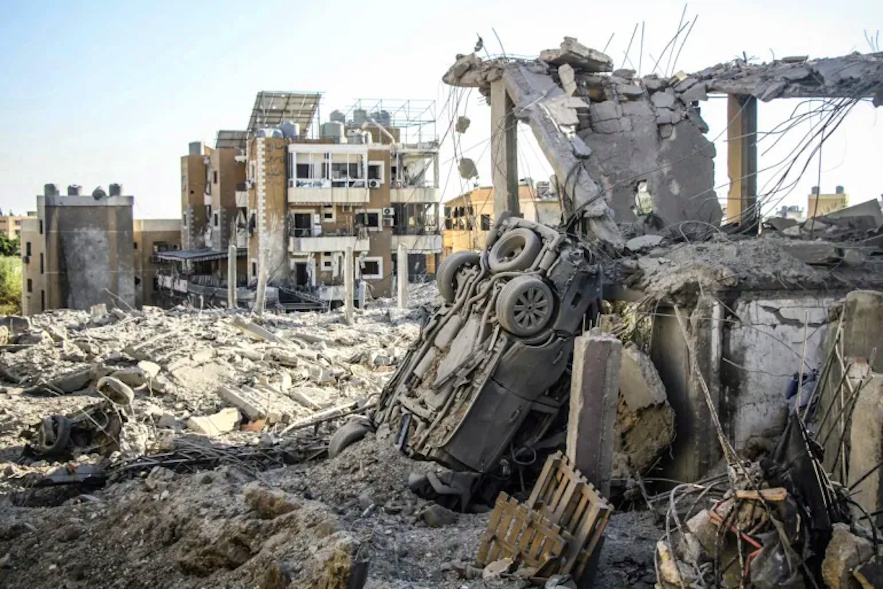
UNITED NATIONS – The United Nations has more than doubled its humanitarian aid appeal for Lebanon, warning that the escalating war between Israel and Hezbollah has triggered a “severe and deteriorating” crisis. The UN now says nearly $640 million is required to help the country over the next six months.
In a revised appeal issued on Friday, the UN’s humanitarian agency, OCHA, stated that an additional 331millionisneededontopoftheoriginal308 million requested in March. To date, only $185 million has been received from the initial appeal funds that helped provide assistance to roughly 680,000 people between March 2 and May 31.
The new goal is to more than double that reach, targeting all 1.4 million people in Lebanon approximately a quarter of the population who are estimated to need humanitarian aid.
“The humanitarian crisis in Lebanon is severe and deteriorating,” OCHA said. “Repeated displacements, insufficient shelter capacity, and limited prospects for safe return are deepening vulnerability. Affected people are rapidly exhausting their coping capacities, and essential services are under increasing strain.”
Rising Casualties and Displacement
The hostilities, which began in earnest on March 2 after Hezbollah fired rockets into Israel in retaliation for U.S.-Israeli strikes that killed Iran’s supreme leader, have exacted a devastating toll. According to Lebanon’s Ministry of Public Health, Israeli attacks have killed more than 3,500 people and wounded over 10,700 others. Nearly one million people have fled their homes, and more than 1.2 million are facing acute food insecurity.
“In the past three months, communities across Lebanon have faced an appalling situation due to the escalation of hostilities,” said Imran Riza, UN Resident and Humanitarian Coordinator for Lebanon. “The toll on civilians is alarming and worsening by the day.”
Economic and Infrastructural Strain
The conflict has also intensified economic pressures. The cost of water, fuel, and electricity has risen by more than a third nationally—and by as much as 70 percent in conflict-affected areas. The UN attributes these price spikes in part to the broader effects of the U.S.-Israeli war on Iran and its impact on global energy supplies.
Lebanon’s healthcare system is buckling under the strain. OCHA reports that 62 hospitals and other health facilities have been either damaged or closed. Lebanese health authorities add that more than 100 paramedics have been killed in the crossfire.
The education sector is also suffering. Nearly 450 schools are currently serving as shelters for displaced families, leading to widespread learning loss and increased dropout risks.
Diplomatic Stalemate
Efforts to secure a ceasefire have so far faltered. Hezbollah has rejected a conditional ceasefire agreement brokered between Lebanese and Israeli representatives in Washington on Thursday. Instead, the militant group is demanding a full cessation of hostilities and the complete withdrawal of Israeli forces from Lebanese territory.
As the war grinds on, the UN warns that without urgent funding, the humanitarian situation will continue to spiral, leaving millions at risk of hunger, disease, and further displacement.
Our Pashto-Dari Website
Support Dawat Media Center
If there were ever a time to join us, it is now. Every contribution, however big or small, powers our journalism and sustains our future. Support the Dawat Media Center from as little as $/€10 – it only takes a minute. If you can, please consider supporting us with a regular amount each month. Thank you
DNB Bank AC # 0530 2294668
Account for international payments: NO15 0530 2294 668
Vipps: #557320

Comments are closed.