
US Launches Diplomatic Push for New Maritime Coalition in Strait of Hormuz After Iranian Blockade

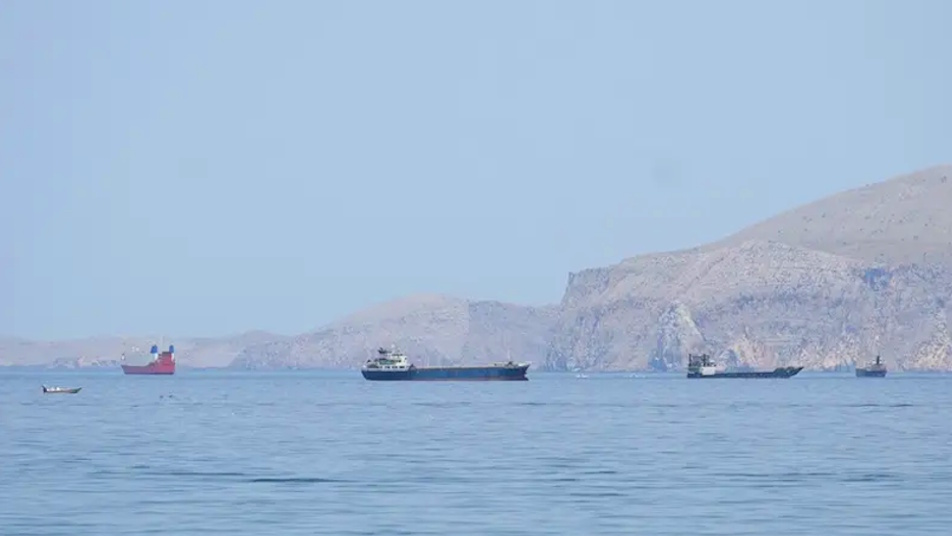
WASHINGTON – The Trump administration is quietly building an international coalition to forcibly restore freedom of navigation through the Strait of Hormuz, a critical waterway that has come to a near-standstill following the outbreak of direct hostilities between the United States and Iran, according to an internal State Department cable reviewed by Reuters.
Secretary of State Marco Rubio has formally approved the creation of what the administration calls the “Maritime Freedom Construct” (MFC), a joint State Department–Pentagon initiative aimed at breaking a de facto Iranian blockade that has choked off one of the world’s most vital energy chokepoints.
The cable, dated April 28, describes the MFC as “a critical first step in the establishment of a post-conflict maritime security architecture for the Middle East.” It adds: “This framework is essential to ensuring long-term energy security, protecting critical maritime infrastructure, and maintaining navigational rights and freedoms in vital sea lanes.”
Traffic through the Strait of Hormuz, which once carried approximately one-fifth of the world’s seaborne oil and natural gas, has slowed to a trickle since February 28, when the US and Israel launched coordinated military strikes against Iranian targets. In response, Tehran swiftly blockaded the waterway, using naval assets, mines, and anti-ship missiles to halt or harass commercial shipping.
The MFC is designed to operate on two parallel tracks. The State Department-led diplomatic component will serve as the primary liaison between partner nations and the global shipping industry, coordinating permissions, legal frameworks, and intelligence sharing. Meanwhile, the Pentagon’s component, operating out of US Central Command (CENTCOM) headquarters in Florida, will manage real-time maritime traffic, deconflict military and commercial movements, and communicate directly with vessels transiting the strait.
“We welcome all levels of engagement,” the cable states, explicitly noting that the US does not expect partner nations to divert naval assets from existing regional maritime structures, such as the Bahrain-based Combined Maritime Forces. Participation can take multiple forms, including diplomatic support, intelligence or information sharing, sanctions enforcement, direct naval escort duties, logistical aid, or financial contributions.
The initiative follows a deadlock in broader diplomatic efforts to de-escalate the US-Iran conflict. In parallel, Washington has attempted to squeeze Iran’s economy further by imposing a naval blockade on Iranian ports a move aimed at cutting off the country’s remaining oil exports. However, the MFC is formally distinct from the Trump administration’s “Maximum Pressure” campaign and from ongoing backchannel negotiations with Tehran, according to the cable.
US embassies have been instructed to deliver the formal diplomatic request (a demarche) orally to partner nations by May 1. The cable explicitly excludes Russia, China, Belarus, Cuba, and “other US adversaries” from being approached.
The story was first reported by the Wall Street Journal on Wednesday. While the US has led similar naval coalitions in the past most notably during the Tanker War of the 1980s the MFC represents a more formalized, post-conflict framework intended to remain in place even after active hostilities subside.
Analysts note that success will depend heavily on whether key US allies in the region, particularly Saudi Arabia, the United Arab Emirates, and Qatar all heavily reliant on Hormuz for energy exports are willing to join openly. So far, no nation has publicly committed to the coalition.
Our Pashto-Dari Website

Support Dawat Media Center
If there were ever a time to join us, it is now. Every contribution, however big or small, powers our journalism and sustains our future. Support the Dawat Media Center from as little as $/€10 – it only takes a minute. If you can, please consider supporting us with a regular amount each month. Thank you
DNB Bank AC # 0530 2294668
Account for international payments: NO15 0530 2294 668
Vipps: #557320

Comments are closed.