
Against All Odds: How WFP Navigated a 15,000-Kilometer Odyssey to Feed Afghan Schoolchildren

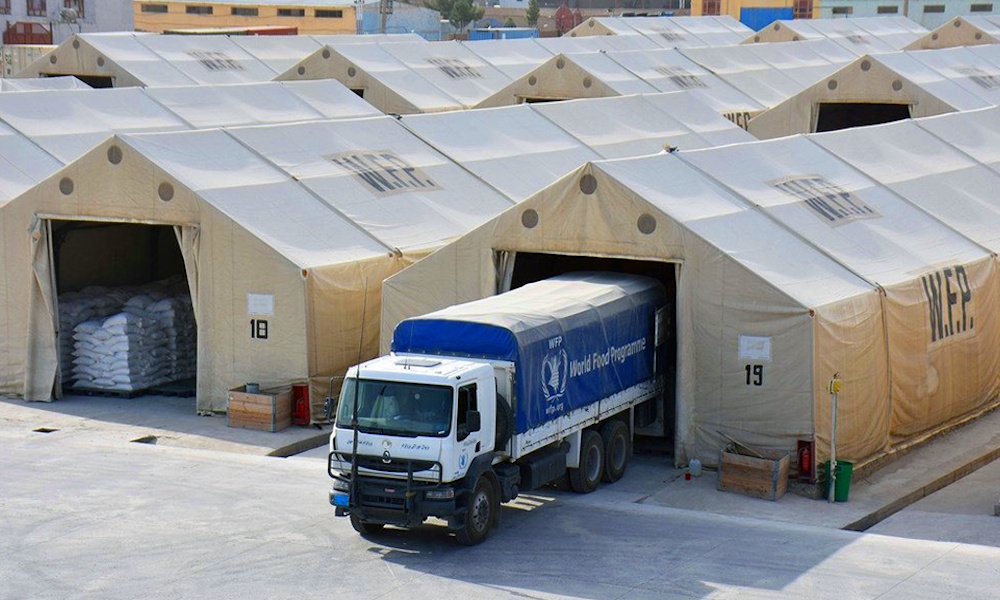
When regional instability and political tensions closed the shortest route to Afghanistan, the World Food Programme (WFP) was forced to chart an extraordinary alternative path spanning nine countries and nearly 15,000 kilometers to deliver emergency food aid to vulnerable schoolchildren.
The perilous journey began with a shipment of 397 metric tons of fortified biscuits, a donation from Indonesia intended to support around 172,000 students as part of a $3.5 million contribution to WFP’s school meals program. But what should have been a straightforward delivery quickly became a logistical chess match against border closures, maritime disruptions, and mounting regional instability.
A Route Blocked at Every Turn
The supplies initially set out from Indonesia’s Surabaya port, destined for Karachi, Pakistan. From there, the plan was simple: transport the cargo overland into Afghanistan. However, those plans crumbled when border crossings between Pakistan and Afghanistan were suddenly shut amid escalating political tensions between the two neighbors.
WFP officials scrambled to find alternatives, determined to avoid significant delays for children who depend on the program for daily nutrition. A second proposed route funneling the shipment through the United Arab Emirates and into Iran was quickly abandoned due to intensifying instability in the Middle East and cascading disruptions affecting regional shipping lanes.
Forging a New Corridor Across Continents
With both southern routes blocked, WFP logisticians designed a daring new overland corridor from scratch. The convoy would travel from Dubai across the Arabian Peninsula, then weave through a chain of nations rarely used for aid transshipment to Afghanistan: Saudi Arabia, Jordan, Syria, Türkiye, Georgia, Azerbaijan, and Turkmenistan, finally entering Afghanistan via the remote Torghundi border crossing.
The 21-truck convoy spent weeks traversing deserts, mountain highways, and ferry crossings. Each new border required fresh customs clearances, security assessments, and transport permits often negotiated while the trucks waited in limbo.
“Hunger doesn’t wait for routes to reopen,” said Corinne Fleischer, Director of WFP Supply Chain and Delivery. Her team’s persistence paid off when the convoy finally rolled into Kabul.
More Than a Biscuit
In the capital, the fortified biscuits were unloaded and prepared for distribution to schools in Ghor, Nuristan, and Paktika provinces some of Afghanistan’s most food-insecure regions. For many students, WFP says these biscuits are among the most nutritious foods they will receive all day.
Abdul Ahad Monib, a WFP supply chain officer in Kabul, reflected on the operation’s deeper meaning. “For the children, it’s a packet of biscuits that helps them stay healthy,” Monib said. “For us, it’s a logistics feat.”
A Crisis Far from Over
The successful delivery is a rare bright spot in an otherwise grim humanitarian landscape. Afghanistan continues to grapple with widespread poverty, deepening food insecurity, recurring natural disasters, and a sharp decline in international aid. School feeding programs like this one have become critical lifelines not just for education, but for survival.
As WFP officials note, the journey of 15,000 kilometers wasn’t merely a testament to logistical ingenuity. It was a reminder that for millions of Afghan children, the path to a meal is often as treacherous as the crises that took it away.
Our Pashto-Dari Website

Support Dawat Media Center
If there were ever a time to join us, it is now. Every contribution, however big or small, powers our journalism and sustains our future. Support the Dawat Media Center from as little as $/€10 – it only takes a minute. If you can, please consider supporting us with a regular amount each month. Thank you
DNB Bank AC # 0530 2294668
Account for international payments: NO15 0530 2294 668
Vipps: #557320

Comments are closed.