
Economic Crisis in Iran Pushes More Afghans to Return Home Despite Taliban Restrictions

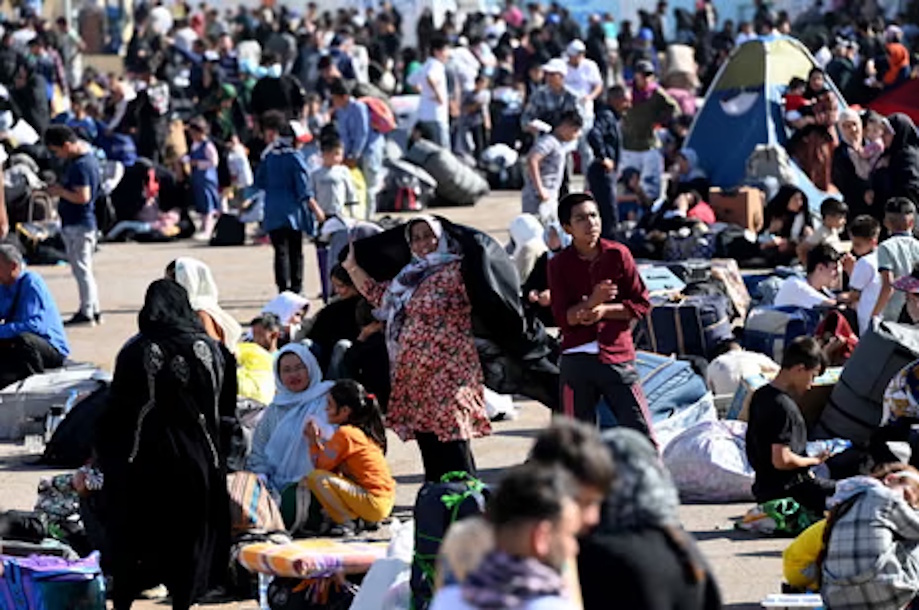
Reuters- A deepening economic crisis in Iran is forcing growing numbers of Afghan migrants to return to Afghanistan, even as many face severe restrictions under Taliban rule, particularly women and girls, according to a Reuters report. The trend underscores how economic desperation is overriding fears about the harsh conditions awaiting them in their home country.
Economic Hardship Drives Returns
Reuters reported that thousands of Afghans have left Iran in recent months as soaring inflation, a collapsing currency, and shrinking job opportunities have made it increasingly difficult for migrants to remain in the country. The report says economic hardship is now becoming a major driver of returns alongside deportations, marking a shift from previous years when forced removals accounted for the vast majority of departures.
The Iranian rial has lost much of its value in recent years, driving up the cost of basic goods, including food, rent, and fuel. For Afghan migrants—many of whom work in low-wage sectors such as construction, agriculture, and informal trade—these rising costs have made it nearly impossible to save money or support families back home. With few legal protections and limited access to social services, undocumented Afghans are among the most vulnerable to economic shocks.
Iran’s Broader Economic Pressures
The report comes as Iran faces mounting economic pressure following tighter U.S. sanctions and disruptions to its oil exports. According to Iran’s Statistical Center, consumer prices have risen sharply over the past year, while the country’s economic slowdown has reduced employment opportunities for both Iranian citizens and Afghan migrants. Inflation has remained stubbornly high, eroding purchasing power across the board and fueling public discontent.
Iran’s economy has been further strained by regional tensions and the ongoing effects of sanctions that limit its ability to trade and access international financial systems. As joblessness rises among Iranians themselves, competition for scarce work has intensified, leaving Afghan migrants increasingly marginalized and scapegoated.
A Growing Humanitarian Concern
The International Organization for Migration (IOM) said only 29 percent of Afghans who recently returned from Iran reported having any savings when they crossed back into Afghanistan, highlighting the growing vulnerability of returnees. This means the vast majority arrive with little to no financial cushion to fall back on as they attempt to rebuild their lives.
International agencies estimate that more than two million Afghans have left Iran over the past two years through a combination of forced deportations and voluntary returns. Reuters noted that recent return movements increasingly include women and entire families, not only single men expelled by Iranian authorities—a shift that humanitarian groups say signals deepening distress among the Afghan migrant population in Iran.
Tightening Restrictions in Iran
The worsening situation in Iran has coincided with an intensified campaign against undocumented Afghan migrants. Iranian authorities have accelerated deportations while also tightening residency and employment rules, leaving many Afghans without legal status or a stable source of income. In some cases, migrants have reported being detained, fined, or forcibly removed without being allowed to collect their belongings or wages.
Iran has hosted millions of Afghan refugees for decades, but in recent years, officials have increasingly framed them as a burden on the economy and a security concern. The government has introduced measures to restrict their access to certain jobs, education, and healthcare, while also stepping up border enforcement.
Returning to an Uncertain Future
For many returnees, however, going back to Afghanistan means returning to a country still struggling with widespread poverty, humanitarian need, and restrictions imposed by the Taliban. The country’s economy remains fragile, with high unemployment, limited banking services, and a collapse in international development aid following the Taliban’s takeover in 2021.
Women and girls face some of the harshest consequences after returning. Since regaining power in 2021, the Taliban have barred girls from secondary schools and universities, restricted women from most forms of employment, and imposed sweeping limits on their participation in public life. Many women who fled to Iran in search of work and education now find themselves returning to a country where their rights have been systematically stripped away.
Humanitarian organizations warn that many returning families arrive with few financial resources and limited access to housing, healthcare, or livelihoods, increasing the risk of renewed displacement and dependence on humanitarian assistance. Without sustained support, many returnees may find themselves trapped in a cycle of poverty and instability.
Calls for International Support
The IOM and other UN agencies have repeatedly called for greater international support for Afghan returnees, warning that Afghanistan’s fragile economy is struggling to absorb hundreds of thousands of people returning from neighboring countries. They stress that humanitarian funding remains critically low, even as needs continue to grow.
Aid groups have urged the international community to increase funding for shelter, food, healthcare, and livelihood programs for returnees, while also pressing for long-term solutions that address the root causes of displacement. Without such support, they warn, the situation could deteriorate further, straining already limited resources and exacerbating suffering among some of the world’s most vulnerable populations.
Our Pashto-Dari Website

Support Dawat Media Center
If there were ever a time to join us, it is now. Every contribution, however big or small, powers our journalism and sustains our future. Support the Dawat Media Center from as little as $/€10 – it only takes a minute. If you can, please consider supporting us with a regular amount each month. Thank you
DNB Bank AC # 0530 2294668
Account for international payments: NO15 0530 2294 668
Vipps: #557320

Comments are closed.