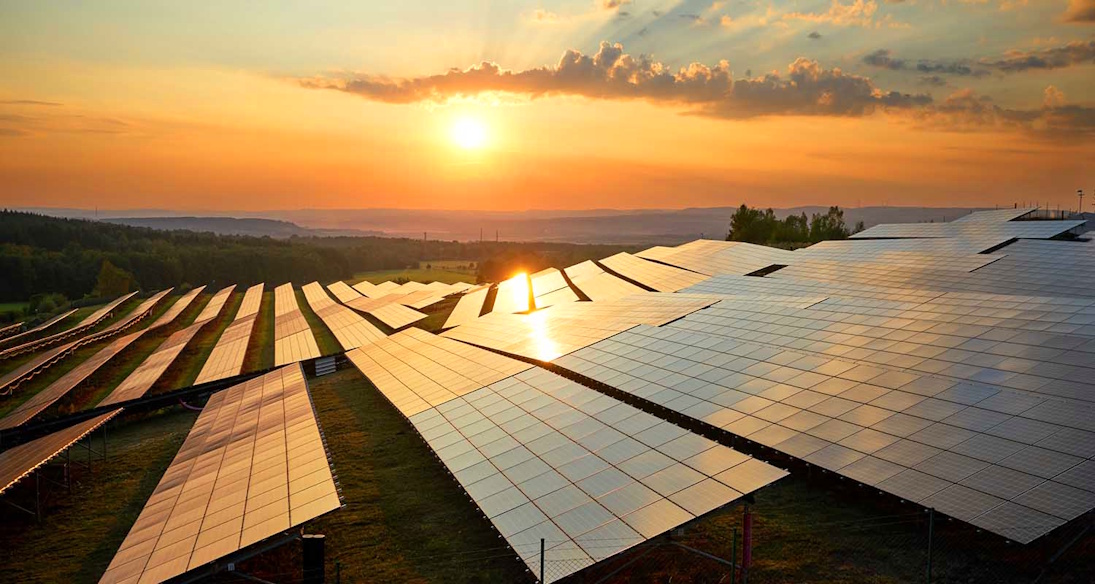
Afghanistan has the potential to generate up to 220 gigawatts (GW) of electricity from solar energy, yet it spends more than $280 million annually on electricity imports, according to the United Nations Development Programme (UNDP).
In a post on the social media platform X on Thursday, UNDP said tapping into the country’s solar energy potential could reduce its reliance on imported electricity and expand public access to clean and sustainable energy. The agency noted that more than 80 percent of Afghanistan’s electricity needs are currently met through imports, despite the country’s estimated solar power generation potential of up to 220 GW.
Afghanistan imports most of its electricity from Tajikistan, Uzbekistan, Turkmenistan and Iran. Despite having considerable solar, wind and hydropower resources, the country has remained heavily dependent on foreign electricity supplies. This dependence leaves Afghanistan vulnerable to supply disruptions and price fluctuations in neighboring countries, while also diverting scarce financial resources that could otherwise be invested in domestic energy infrastructure.
UNDP said that since 2021, its projects have helped more than 5.5 million people in Afghanistan gain access to clean energy. The agency stressed the need for greater investment and cooperation among relevant institutions to harness Afghanistan’s solar energy potential and expand sustainable domestic electricity generation.
In a separate statement posted on its X account to mark Afghanistan Energy Week, UNDP said the country remained heavily dependent on imported electricity despite its considerable solar energy potential. The agency noted that Afghanistan had the capacity to generate more than 220 GW of solar power, although a large section of its population still lacked access to reliable and uninterrupted electricity. This gap between potential and reality underscores the urgent need for infrastructure development and targeted investment in the renewable energy sector.
UNDP stressed the need to strengthen cooperation and partnerships to expand access to clean, sustainable and reliable energy across the country. Afghanistan Energy Week, scheduled for November 9 and 10 this year, provides an opportunity to promote collaboration and partnerships to develop the country’s energy sector. The UN agency added that stronger partnerships could play a significant role in harnessing Afghanistan’s solar energy potential and improving access to electricity for its population.
Realizing this potential would require significant investment in solar infrastructure, including photovoltaic farms, transmission networks and storage systems, as well as the development of a skilled workforce to maintain and operate these facilities. Improved energy access would also have far-reaching benefits for health care, education and economic development, particularly in rural areas where reliable electricity remains scarce.




Comments are closed.