
China’s Foreign Minister Calls for Dialogue as Beijing Steps Up Diplomatic Efforts to Ease Middle East Tensions

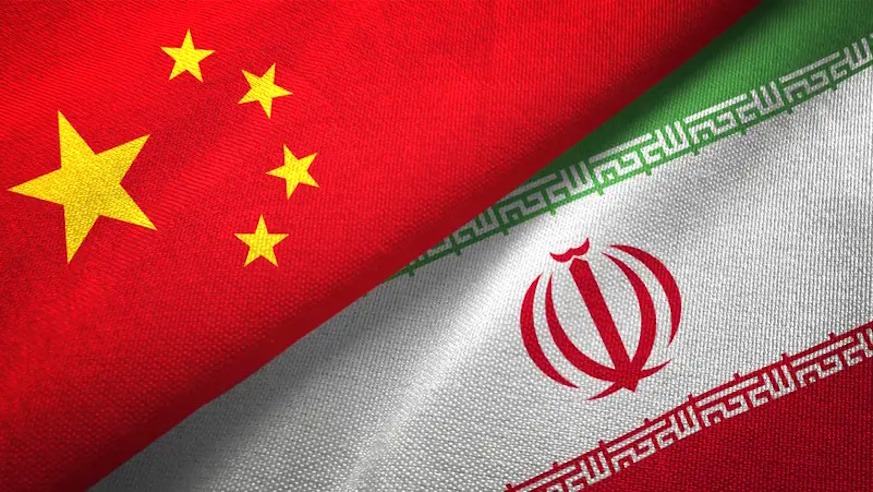
During a meeting in Beijing with Ali Bagheri Kani, deputy secretary of Iran’s Supreme National Security Council, Wang stressed that renewed military action would only deepen regional instability, heighten tensions and complicate efforts to achieve a lasting political settlement.
According to China’s state-run Xinhua news agency, Wang emphasized that dialogue and negotiation remain the most effective means of resolving longstanding disputes in the Middle East, urging the parties concerned to exercise restraint and pursue peaceful solutions.
The Chinese foreign minister also reaffirmed Beijing’s support for Iran in safeguarding its national sovereignty, security and legitimate interests, underscoring China’s commitment to maintaining close diplomatic relations with Tehran amid continuing regional uncertainty.
Wang’s remarks reflect Beijing’s broader diplomatic position that disputes in the Middle East should be addressed through political engagement rather than military escalation. China has repeatedly advocated respect for national sovereignty, non-interference in internal affairs and the peaceful settlement of international disputes.
Xi Warns Against Great-Power Rivalry in the Middle East
Earlier on Monday, Chinese President Xi Jinping delivered a similar message during talks with Oman’s Sultan Haitham bin Tariq Al Said, warning that the Middle East and Gulf region should not become an arena for competition and confrontation among major global powers.
Xi emphasized the importance of preserving regional stability and encouraging countries in the Middle East to address their differences through dialogue and cooperation.
His remarks highlighted Beijing’s concern that intensifying geopolitical competition could further destabilize a region already facing multiple security challenges and unresolved political disputes.
China has increasingly sought to position itself as a diplomatic partner capable of maintaining constructive relations with countries across the region, including states that have historically held opposing political and security positions.
Beijing’s approach has generally emphasized economic cooperation, diplomatic engagement and political dialogue, while avoiding direct involvement in regional military confrontations.
Oman Welcomes Greater Chinese Diplomatic Role
Following the discussions between Xi and Sultan Haitham, China and Oman issued a joint statement reaffirming their commitment to regional peace, security and stability.
In the statement, Muscat expressed support for China’s peace proposals concerning the Middle East and welcomed the prospect of a more prominent Chinese diplomatic role in addressing regional conflicts.
Oman also expressed its expectation that Beijing could make a greater contribution toward achieving lasting stability in the region.
The statement underscored the growing diplomatic engagement between China and Oman, a Gulf state that has frequently played a mediating role in sensitive regional disputes.
Oman’s longstanding policy of maintaining communication with competing regional powers has made it an important diplomatic interlocutor in efforts to reduce tensions and facilitate negotiations.
For Beijing, closer coordination with Muscat could provide additional opportunities to support regional dialogue and strengthen diplomatic channels among countries with differing strategic interests.
Beijing Plans Regional Diplomatic Mission
As part of its expanding diplomatic outreach, China also announced that its special envoy for Middle East affairs would travel to Iran, Oman and Saudi Arabia later this month.
The planned visits are expected to provide opportunities for consultations with regional officials on the evolving security situation, prospects for de-escalation and possible diplomatic approaches to resolving outstanding disputes.
The inclusion of Iran and Saudi Arabia in the diplomatic itinerary is particularly significant given the two countries’ influence over regional political and security developments.
China has previously demonstrated its ability to facilitate dialogue between Tehran and Riyadh, most notably through its role in the March 2023 agreement that restored diplomatic relations between the two regional powers after years of estrangement.
That breakthrough was widely viewed as an important diplomatic achievement for Beijing and strengthened perceptions of China as an increasingly influential actor in Middle Eastern diplomacy.
The latest diplomatic initiative appears consistent with Beijing’s efforts to build on that engagement by encouraging communication among regional governments and supporting political solutions to emerging security challenges.
China Seeks to Expand Its Influence Through Diplomacy
China’s renewed diplomatic activity comes as Beijing continues to expand its political and economic engagement across the Middle East, a region of considerable strategic importance to the world’s second-largest economy.
The region is a major source of energy supplies for China and an important market for Chinese investment, infrastructure development and trade.
Maintaining stability in the Gulf is therefore closely linked to Beijing’s economic interests, particularly the security of energy shipments and international maritime trade routes.
At the same time, China’s diplomatic engagement reflects its broader ambition to play a more substantial role in international conflict resolution and global governance.
By maintaining working relationships with Iran, Saudi Arabia, Oman and other regional governments, Beijing has sought to present itself as a partner capable of facilitating dialogue across political divisions.
However, translating diplomatic influence into concrete progress toward conflict resolution remains a considerable challenge. The Middle East’s complex security environment, competing national interests and longstanding political disputes continue to present significant obstacles to durable agreements.
China’s ability to contribute meaningfully to regional stability will depend not only on its relationships with key governments but also on the willingness of the parties involved to engage in substantive negotiations and implement any agreements reached.
For now, Beijing’s latest diplomatic messages suggest a continued emphasis on political engagement, restraint and regional cooperation rather than military confrontation.
With its special envoy preparing to visit three influential Middle Eastern countries, China appears determined to reinforce its diplomatic presence and encourage renewed efforts to prevent further escalation.
The upcoming consultations could offer an indication of whether Beijing’s expanding diplomatic engagement can help translate calls for dialogue into practical steps toward de-escalation and a more sustainable regional peace.

Support Dawat Media Center
If there were ever a time to join us, it is now. Every contribution, however big or small, powers our journalism and sustains our future. Support the Dawat Media Center from as little as $/€10 – it only takes a minute. If you can, please consider supporting us with a regular amount each month. Thank you
DNB Bank AC # 0530 2294668
Account for international payments: NO15 0530 2294 668
Vipps: #557320

Comments are closed.