

ISLAMABAD — The European Union’s top diplomat has called on Pakistan to pursue dialogue rather than military action in its escalating confrontation with Afghanistan’s Taliban rulers, warning that cross-border violence risks fueling deeper instability and radicalization across the region.
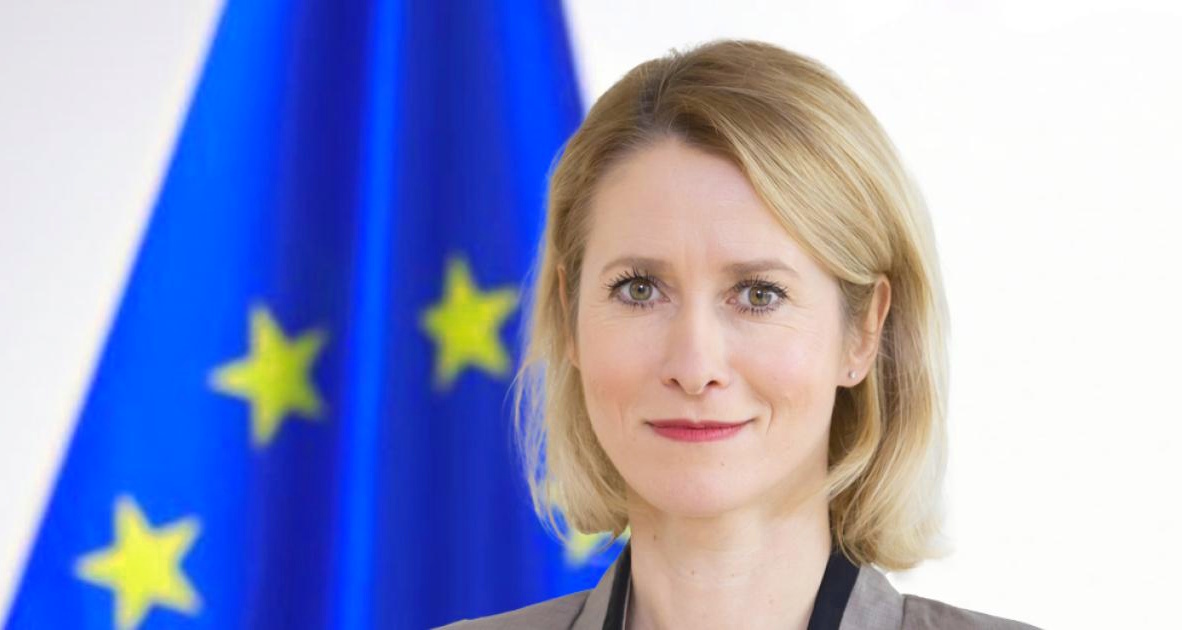
Speaking in Islamabad on Monday alongside Pakistani Foreign Minister Ishaq Dar, EU High Representative for Foreign Affairs and Security Policy Kaja Kallas emphasized that while Pakistan has the right to self-defense, airstrikes are not a sustainable solution.
“Pakistan has the right to defend itself and its people in line with international law, but dialogue, not air strikes, are the best off-ramp in this situation,” Kallas said.
She added that the European Union has consistently urged both sides to exercise restraint and de-escalate tensions, noting that recent fighting has exacted a significant humanitarian toll.
“Here, in the region, Pakistan has been locked in a conflict with Afghanistan,” Kallas said. “The fighting in recent weeks has had grave humanitarian consequences and also risks fuelling further instability and radicalization.”
Her remarks come amid a sharp deterioration in ties between Islamabad and Kabul over cross-border militancy, security operations, and border management. Relations have grown increasingly tense since the Taliban took control of Afghanistan in 2021, with Pakistan accusing the Taliban of failing to act against militant groups operating from Afghan soil.
Pakistan’s Security Concerns
For his part, Foreign Minister Dar said he had discussed Islamabad’s security concerns with Kallas, specifically mentioning militant groups he alleged are operating from Afghan territory.
“We have also discussed security issues and terrorism, including the presence of Fitna al-Khawarij and Fitna al-Hindustan elements on Afghan soil,” Dar said, using terms frequently employed by Pakistani officials to refer to the Tehrik-i-Taliban Pakistan (TTP) and other associated militant factions. “Their continued attacks against Pakistan remain our top concern.”
Dar said he stressed the importance of multilateral cooperation and adherence to the principles of the United Nations Charter in addressing regional and international challenges.
Escalating Hostilities
The dispute between Pakistan and the Taliban has worsened significantly over the past year. Islamabad repeatedly accuses the Taliban of allowing TTP fighters—responsible for numerous deadly attacks inside Pakistan to operate freely from Afghan border provinces. The Taliban deny the allegations, insisting they do not permit any group to use Afghanistan to threaten other countries.
The standoff has led to periodic border closures and military confrontations. Major border crossings, including Torkham and Chaman, have experienced repeated disruptions since late February, disrupting trade and the movement of people.
Tensions soared further following a Pakistani airstrike in March near the Afghan capital, Kabul. According to UN figures, the March 16 strike killed at least 269 civilians, drawing widespread international condemnation. Pakistan has not publicly confirmed the casualty figures but has defended its actions as necessary counterterrorism measures.
The Taliban have also called for dialogue with Pakistan while rejecting accusations that they harbor militants. However, their calls have done little to ease mutual distrust.
EU’s Regional Stability Push
The EU has maintained engagement with both sides, emphasizing the need for regional stability. Brussels has warned that continued conflict could worsen humanitarian conditions in a region already grappling with mass displacement, acute economic hardship, and persistent security challenges.
Kallas’s visit to Islamabad is part of a broader diplomatic effort to prevent the Pakistan-Taliban standoff from spiraling into a wider conflict. Analysts say the EU is particularly concerned that cross-border violence could strengthen militant groups, destabilize neighboring countries, and trigger another wave of refugees toward Central Asia and Europe.
As of now, no formal ceasefire or dialogue process has been announced, but Kallas’s public appeal signals growing international pressure on both sides to step back from the brink.
Our Pashto-Dari Website

Support Dawat Media Center
If there were ever a time to join us, it is now. Every contribution, however big or small, powers our journalism and sustains our future. Support the Dawat Media Center from as little as $/€10 – it only takes a minute. If you can, please consider supporting us with a regular amount each month. Thank you
DNB Bank AC # 0530 2294668
Account for international payments: NO15 0530 2294 668
Vipps: #557320

Comments are closed.