Ireland Contributes $3.44 Million to UN Humanitarian Fund for Afghanistan

31

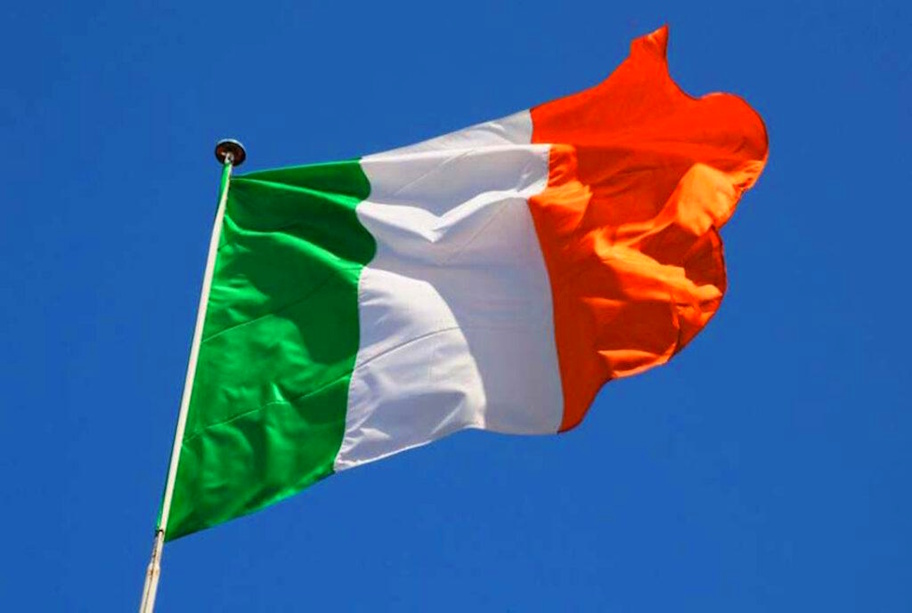
The United Nations Office for the Coordination of Humanitarian Affairs (OCHA) has announced that Ireland has contributed $3.44 million to the UN-managed humanitarian fund for Afghanistan to support emergency assistance efforts across the country.

According to OCHA, the funding will strengthen humanitarian operations and provide critical support to vulnerable communities facing worsening economic hardship and deepening humanitarian challenges. The contribution is expected to help deliver life-saving assistance, including food security support, healthcare services, shelter, and protection for at-risk populations.

Ireland has remained one of the consistent international donors to Afghanistan’s humanitarian response. Previously, Dublin pledged €4 million in humanitarian assistance, with a particular focus on supporting women, girls, and other vulnerable groups affected by the country’s ongoing crisis.

The announcement comes as humanitarian agencies continue to warn of deteriorating living conditions across Afghanistan. The World Food Programme (WFP) said in a recent market assessment that although prices for some food items have shown slight declines in recent weeks, Afghan families continue to struggle with weak purchasing power, widespread unemployment, and limited income-generating opportunities.

According to the report, wheat prices dropped by 1.7 percent during the third week of May, while prices for rice, cooking oil, sugar, and bread also recorded marginal decreases. However, the agency cautioned that many staple goods remain significantly more expensive compared with the same period last year.

The sharpest increases were recorded in first-grade rice, which rose 38 percent, second-grade rice 28 percent, and sugar 27 percent year-on-year. These price hikes continue to place essential food items beyond the reach of many households already struggling to meet basic needs.

Afghanistan remains one of the world’s most severe humanitarian crises, with millions of people dependent on international aid after decades of conflict, economic collapse following the Taliban’s return to power in 2021, and recurring natural disasters such as earthquakes, floods, and drought.

International organizations have repeatedly warned that restrictions imposed on women’s education and employment under Taliban rule have further weakened Afghanistan’s economy, increased poverty levels, and significantly undermined humanitarian and recovery efforts. Aid agencies stress that without sustained international support and broader social and economic reforms, millions of Afghans will remain at risk of hunger and extreme hardship.

Support Dawat Media Center

If there were ever a time to join us, it is now. Every contribution, however big or small, powers our journalism and sustains our future. Support the Dawat Media Center from as little as $/€10 – it only takes a minute. If you can, please consider supporting us with a regular amount each month. Thank you
DNB Bank AC # 0530 2294668
Account for international payments: NO15 0530 2294 668
Vipps: #557320

Comments are closed.