
UN Allocates $18 Million in Emergency Funding to Help 824,000 Afghans Ahead of Winter

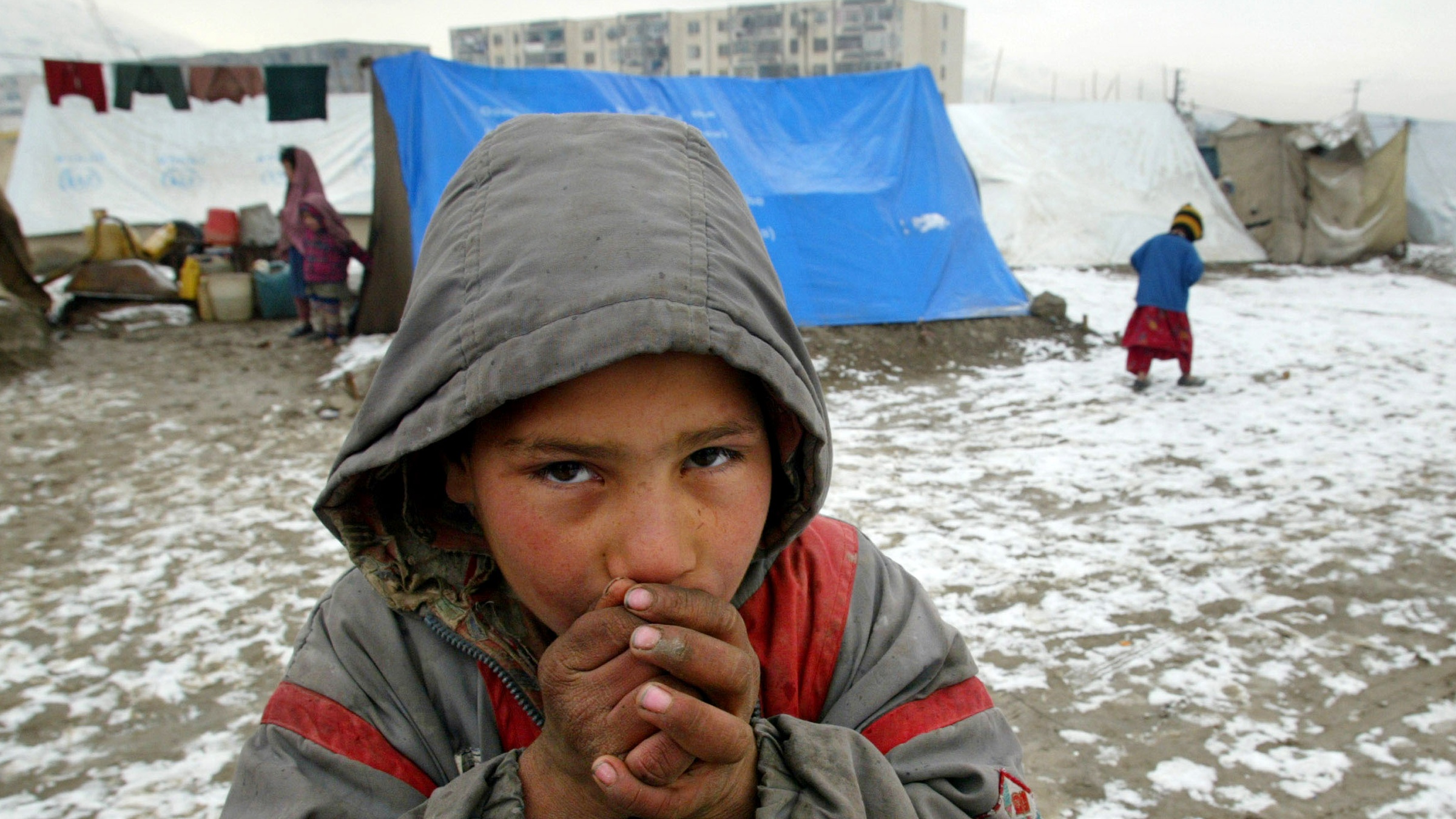
The Central Emergency Response Fund allocation will support food, healthcare, shelter and protection services as Afghanistan braces for a third consecutive winter of severe hardship.
The United Nations has allocated $18 million in emergency funding to support more than 824,000 vulnerable people across Afghanistan as the country prepares for another harsh winter amid worsening food insecurity and economic hardship.
The funding, approved by UN humanitarian chief Tom Fletcher through the Central Emergency Response Fund (CERF), will help communities meet urgent needs during the 2026–27 winter. The allocation comes as Afghanistan continues to grapple with the lingering effects of conflict, displacement, drought and a prolonged economic crisis that has pushed millions of families to the brink of survival.
According to the UN, the allocation will finance seven projects focusing on food security, agriculture, healthcare, nutrition, protection, shelter, and water and sanitation services. The projects are designed to address the most immediate life-saving needs while strengthening the resilience of communities before roads become impassable and temperatures plummet.
UN Humanitarian Coordinator for Afghanistan Bruno Lemarquis said the assistance would help prevent avoidable deaths by ensuring vulnerable families have access to food, medical care, clean drinking water and other essential services before winter conditions deteriorate. “Winter in Afghanistan is not merely a seasonal challenge — it is a matter of life and death for hundreds of thousands of people who have already exhausted their coping mechanisms,” Lemarquis said. “This funding will allow us to reach families before the snow cuts off access to entire districts.”
Priority will be given to returning migrants, internally displaced families and host communities, with particular attention to women, children, older people and persons with disabilities. Afghanistan has seen a significant increase in the number of returnees from neighbouring countries over the past year, placing additional strain on already stretched host communities.
Local humanitarian organisations, including women-led groups, will help deliver assistance, while female frontline workers will play an important role in ensuring women and girls can access essential services. The UN has emphasised that local partnerships are critical to reaching the most isolated and underserved populations, particularly in areas where cultural norms require female staff to engage with women beneficiaries.
The $18 million allocation forms part of a wider $48 million humanitarian response, which includes an additional $30 million from the Afghanistan Humanitarian Fund (AHF).
While CERF funding will enable UN agencies to deliver emergency supplies and services, the AHF will channel resources directly to humanitarian partners supporting winter preparedness, urgent relief operations and efforts to reduce the potential impact of El Niño on vulnerable communities. The AHF allocation will also support local partners with greater flexibility, allowing them to respond rapidly to emerging needs as winter conditions evolve.
The UN has warned that its humanitarian appeal for Afghanistan remains significantly underfunded, with only a fraction of the required resources secured for the coming year. Without additional contributions from donor countries, millions of Afghans could face severe shortages of food, fuel and medical supplies during the winter months.
Our Pashto-Dari Website

Support Dawat Media Center
If there were ever a time to join us, it is now. Every contribution, however big or small, powers our journalism and sustains our future. Support the Dawat Media Center from as little as $/€10 – it only takes a minute. If you can, please consider supporting us with a regular amount each month. Thank you
DNB Bank AC # 0530 2294668
Account for international payments: NO15 0530 2294 668
Vipps: #557320
