

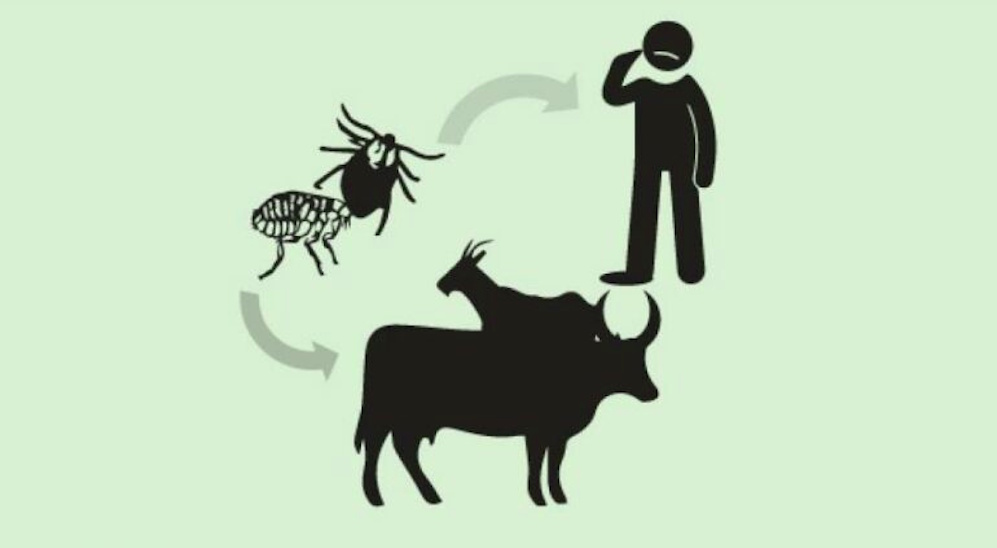
The United Nations Food and Agriculture Organization (FAO) has warned of a rising risk of Crimean-Congo hemorrhagic fever (CCHF) across Afghanistan ahead of Eid al-Adha, a period marked by increased livestock trading and animal slaughter that significantly heightens the potential for transmission.
In a statement posted Monday on X, the UN agency said the disease spreads from animals to humans primarily through infected tick bites or direct contact with the blood and tissues of infected livestock during slaughtering and handling. Health experts warn that without timely diagnosis and urgent medical treatment, the disease can be fatal.
The FAO said it has launched preventive spraying operations in major livestock markets across several Afghan provinces while also intensifying public awareness campaigns in partnership with the World Health Organization (WHO) and the United Kingdom Embassy for Afghanistan.
According to the organization, field teams are distributing educational materials and providing direct safety guidance to shepherds, livestock traders, butchers, and families to promote safer animal handling practices during Eid celebrations. The awareness efforts focus on proper hygiene measures, use of protective clothing during slaughter, safe disposal of animal waste, and the importance of seeking immediate medical care if symptoms appear.
Crimean-Congo hemorrhagic fever is a highly contagious viral disease that remains a recurring public health threat in Afghanistan, particularly during the warmer months when tick activity increases and livestock movement intensifies. Symptoms often begin suddenly and include high fever, severe muscle pain, dizziness, vomiting, abdominal pain, and, in severe cases, internal bleeding and organ failure.
Afghanistan has faced repeated seasonal outbreaks of the disease in recent years, with health authorities struggling to contain infections due to weak surveillance systems and limited access to testing facilities.
The warning comes as Afghanistan’s healthcare system continues to face severe challenges, including shortages of essential medicines, inadequate diagnostic laboratories, and a lack of trained medical personnel, especially in rural and conflict-affected provinces where infectious disease outbreaks are often detected too late.
International health organizations have repeatedly cautioned that widespread poverty, poor sanitation infrastructure, weak veterinary oversight, and limited public awareness increase the risk of zoonotic diseases spreading rapidly among vulnerable communities.
With Eid expected to trigger a surge in livestock movement and slaughtering activity nationwide, health officials are urging Afghans to exercise extreme caution and strictly follow safety guidelines to reduce the risk of infection and prevent another seasonal outbreak.
Our Pashto-Dari Website

Support Dawat Media Center
If there were ever a time to join us, it is now. Every contribution, however big or small, powers our journalism and sustains our future. Support the Dawat Media Center from as little as $/€10 – it only takes a minute. If you can, please consider supporting us with a regular amount each month. Thank you
DNB Bank AC # 0530 2294668
Account for international payments: NO15 0530 2294 668
Vipps: #557320

Comments are closed.