

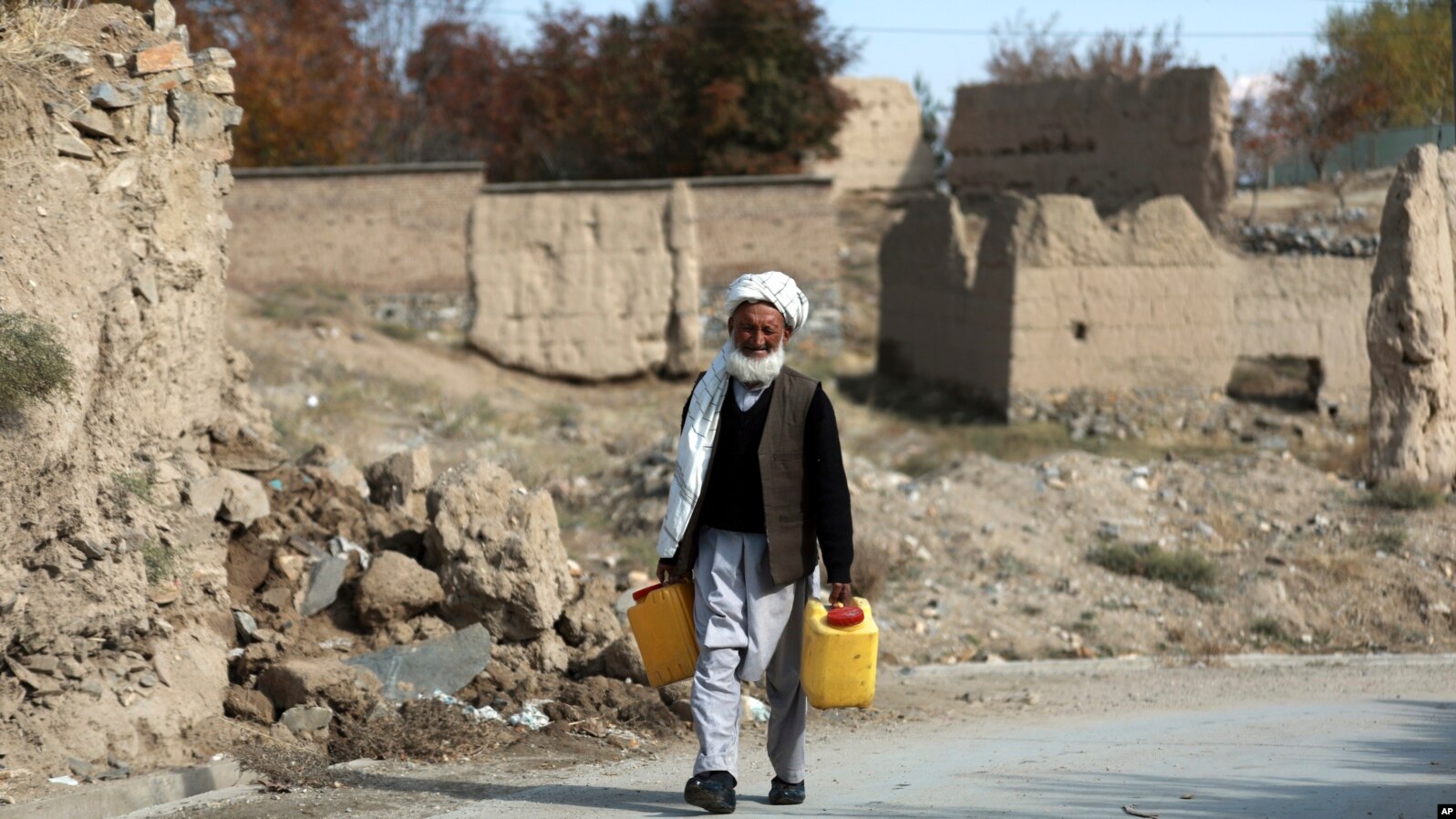
KABUL, July 3, 2026 – Access to safe and clean water remains essential to protecting children’s health in Afghanistan, where recurring drought and limited water infrastructure continue to leave millions without reliable water supplies, the United Nations Children’s Fund (UNICEF) said on Thursday.
In a post on X, UNICEF underscored that clean water is foundational to child survival and well-being preventing infections, supporting safer healthcare delivery, and giving children a healthier start in life. The agency emphasized that improving access to safe water is a key component of maternal and child healthcare, particularly in a country where waterborne diseases rank among the leading causes of preventable child deaths .
With support from the Delegation of the European Union to Afghanistan, UNICEF said more children will gain access to safe drinking water at health facilities across the country. The EU partnership complements broader UNICEF efforts to strengthen WASH water, sanitation, and hygiene services in health centers, which are critical for reducing infections and ensuring safe conditions for childbirth and pediatric care .
A Crisis of Scale and Severity
Limited access to clean water remains one of Afghanistan’s most pressing public health challenges. Years of conflict, recurring drought, climate-related pressures, and inadequate investment in water infrastructure have left millions of people without dependable access to safe drinking water and sanitation services.
The scale of need is staggering. In 2026, an estimated 21.9 million people nearly half of Afghanistan’s population require humanitarian assistance, with approximately 12 million of them children . Food insecurity has deteriorated sharply, with 17.4 million people projected to face acute food insecurity, while drought conditions persist across 12 severely affected provinces impacting 3.4 million people .
Around 31 percent of the population lacks access to basic drinking water, and 42 percent lack access to basic hygiene services . According to the Humanitarian Needs and Response Plan 2026, 15.9 million people urgently need WASH services, especially in rural areas, schools, and health centers . Over 37 percent of families lack soap for basic hygiene, exposing children to heightened risk of preventable diseases .
Children Bearing the Heaviest Burden
The consequences fall disproportionately on children and pregnant women. Inadequate water, sanitation, and hygiene services dramatically increase the risk of waterborne diseases, including acute watery diarrhea the third leading cause of death among children under five globally.
UNICEF has warned that more than 212,000 Afghan children remain at risk of acute watery diarrhea and other deadly waterborne diseases following a 6.3-magnitude earthquake that struck eastern Afghanistan in August 2025, destroying 132 water sources and leaving four out of five communities practicing open defecation . As UNICEF Representative in Afghanistan Dr. Tajudeen Oyewale stated, “Children who survived the quake are now living either in crowded displacement camps… with no toilets, no safe water to drink, and no means to stay clean. This is a perfect storm for a health catastrophe” .
Beyond earthquake-related emergencies, the broader humanitarian context compounds children’s vulnerability. More than half of Afghanistan’s schools lack clean drinking water, and one-third do not have functioning toilets factors that disproportionately affect girls’ education, particularly around menstrual hygiene management . Less than half of children under 12 attend primary school, with girls accounting for 60 percent of out-of-school children .
UNICEF’s Response and Partnerships
UNICEF is now the lead provider of WASH services across Afghanistan, delivering life-saving assistance through solar-powered water pumps, emergency water trucking, sanitation facility installation, and hygiene kit distribution . In 2025, UNICEF provided over 2.1 million people 54 percent of them children with access to safe, clean drinking water .
The EU-supported initiative to provide safe drinking water at health facilities builds on this momentum. Additionally, UNICEF has rehabilitated water supply systems in deprived areas, enabling children to access safe water without traveling long distances, thereby reducing disease risk and protecting children from the dangers of collecting water in conflict-affected or remote areas .
Partnerships with donors including the European Union, the Government of China, and other international actors have been instrumental. For example, a partnership with China has delivered hygiene kits to nearly 289,000 returnee families, while the EU has supported the rehabilitation of 385 public primary schools with clean water and sanitation facilities .
Ongoing Challenges and Funding Gaps
Despite these efforts, humanitarian response remains critically underfunded. Only half of UNICEF’s USD 21.6 million appeal for emergency WASH response is secured . The World Food Programme faces a funding shortfall of $622 million, and WFP assistance in Afghanistan now reaches less than 10 percent of the millions of food-insecure Afghans in need .
The crisis is compounded by climate change, mass cross-border returns, and severe protection risks. More than 2.52 million Afghans returned from Iran and Pakistan in 2025 alone, placing significant pressure on host communities and basic services . Kabul’s water resources are rapidly drying up, and the city’s population of six million could face severe water shortages by 2030 due to declining rainfall, reduced snowfall, and excessive groundwater extraction .
A Call for Sustained Action
UNICEF and its partners continue to work with local authorities and humanitarian organizations to strengthen water, sanitation, and hygiene services as part of broader efforts to improve child health and reduce preventable diseases. As the agency has emphasized, access to clean water is not merely a matter of infrastructure it is a fundamental right that determines whether children survive, thrive, and have the opportunity to learn and grow in dignity .
With Afghanistan facing one of the most crushing humanitarian crises in the world, UNICEF’s message is clear: without sustained investment in clean water and sanitation, the health, education, and future of millions of Afghan children hang in the balance.
Our Pashto-Dari Website

Support Dawat Media Center
If there were ever a time to join us, it is now. Every contribution, however big or small, powers our journalism and sustains our future. Support the Dawat Media Center from as little as $/€10 – it only takes a minute. If you can, please consider supporting us with a regular amount each month. Thank you
DNB Bank AC # 0530 2294668
Account for international payments: NO15 0530 2294 668
Vipps: #557320

Comments are closed.