

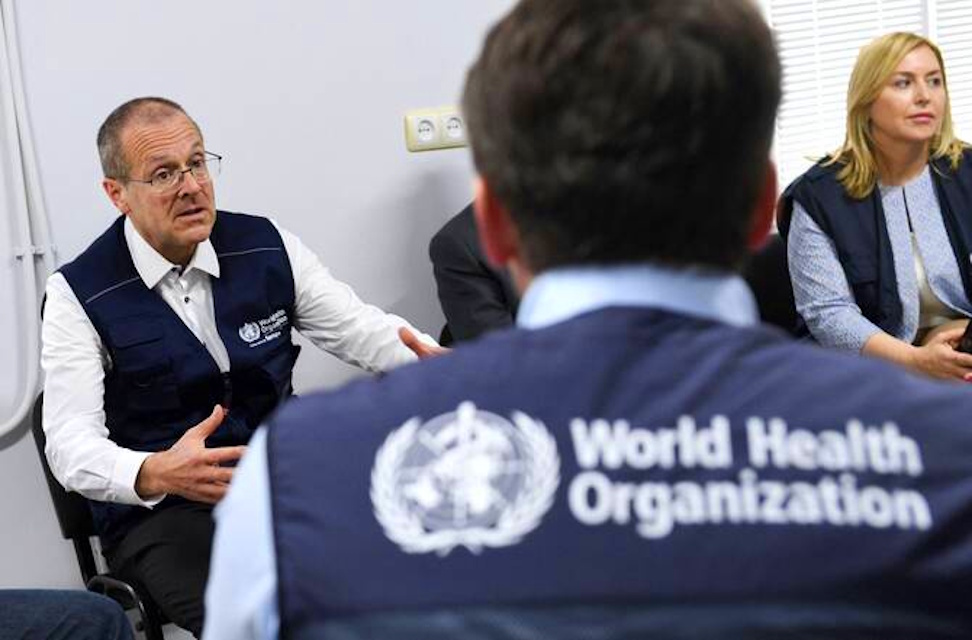
The World Health Organization (WHO) has issued a stark warning that nearly 3.7 million children under the age of five in Afghanistan are expected to suffer from acute malnutrition in 2026, a figure that underscores the deepening humanitarian crisis gripping the country. This projected surge represents a significant increase from previous years, reflecting the compounding effects of poverty, political instability, and environmental challenges.
According to the UN health agency, approximately 95,000 of these children are projected to develop severe acute malnutrition accompanied by medical complications—a life-threatening condition that requires urgent hospitalization and therapeutic feeding. Without immediate intervention, these children face heightened risks of organ failure, developmental delays, and death.
The WHO attributed the worsening malnutrition crisis to a convergence of factors, including deteriorating economic conditions, persistent food insecurity, recurring disease outbreaks (such as measles and acute watery diarrhea), climate-related shocks (including droughts and flash floods), and severely limited access to healthcare services. The collapse of basic infrastructure and the near-total exclusion of female health workers in some provinces have further crippled the delivery of maternal and child nutrition programs.
“The lives of children across the country are under serious threat as malnutrition continues to worsen alongside the broader humanitarian crisis,” the organization said in a statement, calling for an urgent scale-up of prevention and treatment services.
The WHO expressed gratitude to the Afghanistan Humanitarian Fund and its health and nutrition partners for sustaining life-saving services. However, it cautioned that additional funding will be essential to prevent a further deterioration of conditions for children across the country. Current funding gaps have already forced some mobile health teams and nutrition clinics to scale back operations or close entirely.
Afghanistan remains one of the world’s largest humanitarian emergencies. According to multiple UN agencies, millions of people continue to rely on humanitarian assistance amid widespread poverty, soaring unemployment, and declining international aid. Since the Taliban takeover in 2021, foreign development funding has largely dried up, and banking restrictions have further choked the economy.
Health organizations have repeatedly warned that funding shortages are crippling essential services across the country. Hundreds of health facilities have either reduced operations or shut down in recent years as donor support has dwindled, leaving vast rural areas with no access to even basic medical care.
The WHO’s warning follows reports from humanitarian agencies of growing food insecurity among vulnerable households particularly in rural areas ravaged by drought, economic hardship, and forced displacement. Children and pregnant women remain among the most at-risk groups, with malnutrition during pregnancy leading to low birth weight and further perpetuating the cycle of undernutrition.
International organizations have also highlighted the devastating impact of repeated climate shocks, including prolonged droughts and destructive floods, which have destroyed crops, killed livestock, and reduced access to nutritious food in many parts of Afghanistan. These climate pressures, combined with a shattered economy and a fragile healthcare system, have created a perfect storm for child malnutrition.
Without a sustained increase in international funding and unhindered humanitarian access, the WHO warns that hundreds of thousands of Afghan children could face irreversible health consequences or death in 2026 a tragedy that aid agencies say is entirely preventable.
Our Pashto-Dari Website
Support Dawat Media Center
If there were ever a time to join us, it is now. Every contribution, however big or small, powers our journalism and sustains our future. Support the Dawat Media Center from as little as $/€10 – it only takes a minute. If you can, please consider supporting us with a regular amount each month. Thank you
DNB Bank AC # 0530 2294668
Account for international payments: NO15 0530 2294 668
Vipps: #557320

Comments are closed.