

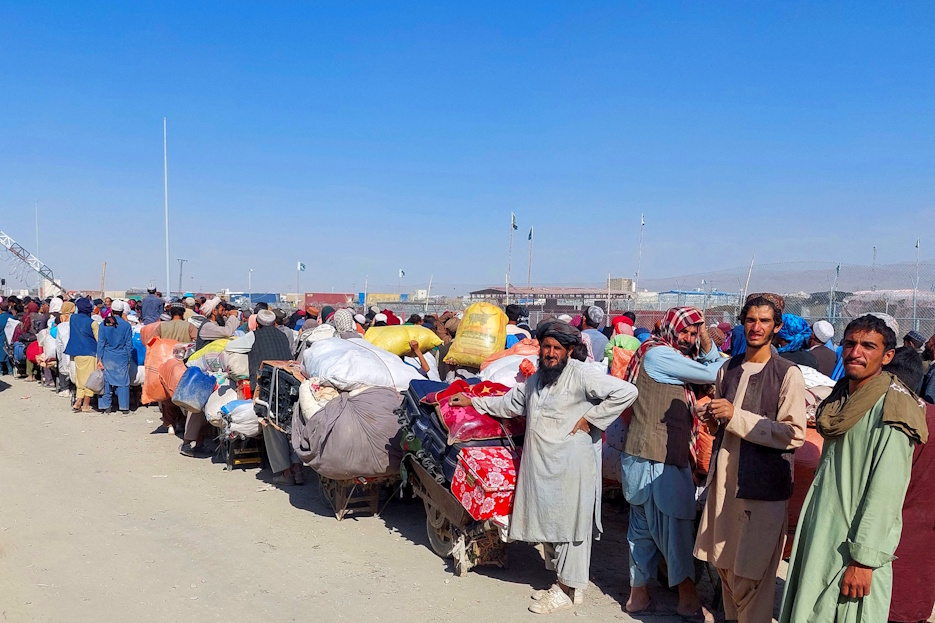
Afghanistan is grappling with an unprecedented influx of returnees as forced deportations of Afghan migrants from Pakistan and Iran accelerate. This mass return is compounding the country’s already fragile economic situation, straining basic services, and exacerbating ongoing security challenges.
According to Al Jazeera, citing data from the International Organization for Migration (IOM), more than five million Afghan migrants have returned from Iran and Pakistan since September 2023. Motia Izura Mascon, IOM’s Deputy Chief of Mission in Afghanistan, emphasized the scale of the crisis, noting that this figure represents nearly 10 percent of Afghanistan’s total population.
The report highlights that approximately three million Afghans returned in the past year alone, many of whom had spent decades living outside their homeland. Mascon remarked that managing such a large-scale return would be a formidable challenge for any country, let alone one already facing significant instability.
Dire Housing and Living Conditions
The challenges facing returnees are immense and multifaceted. An IOM survey of 1,339 returnees conducted between September 2023 and December 2024 found that 80 percent still lack access to permanent housing months after their return, forcing many to reside in temporary shelters or makeshift camps. The situation is further complicated by a lack of affordable housing. Another survey by the UN High Commissioner for Refugees (UNHCR), involving 1,658 returnees, revealed that three-quarters of renters are unable to afford housing costs, pushing many families into overcrowded, shared accommodations.
Unemployment and Economic Hardship
The economic outlook for returnees is equally bleak. According to IOM data, only 11 percent of adults forcibly returned from Iran and Pakistan have managed to secure employment. UNHCR figures indicate that the average monthly income for returnees during the first months of last year ranged from just 22to147, far below what is needed to support a family.
Lack of Basic Services
Access to basic services remains a critical issue. More than half of returnee families lack reliable access to electricity and safe drinking water. The IOM warns that female-headed households are particularly vulnerable, with nearly half lacking access to clean water and facing severe livelihood challenges.
Government Response and Ongoing Struggles
The Taliban authorities acknowledge the scale of the crisis and say efforts are underway to address the needs of returnees. In mid-January, Taliban spokesperson Hamdullah Fitrat announced that more than 3,000 plots of land had been distributed to returnees across the country. However, officials admit that limited resources and ongoing economic constraints have hampered their ability to provide adequate support.
A Nation at a Crossroads
As forced returns continue and the gap between Afghanistan’s limited resources and the growing needs of returnees widens, millions of Afghans find themselves caught between memories of life abroad and the harsh realities of their current situation. With unemployment high, basic services scarce, and the future uncertain, the plight of returnees underscores the urgent need for sustained international assistance and a comprehensive national response.
Our Pashto-Dari Website


Support Dawat Media Center
If there were ever a time to join us, it is now. Every contribution, however big or small, powers our journalism and sustains our future. Support the Dawat Media Center from as little as $/€10 – it only takes a minute. If you can, please consider supporting us with a regular amount each month. Thank you
DNB Bank AC # 0530 2294668
Account for international payments: NO15 0530 2294 668
Vipps: #557320

Comments are closed.