
Doctors Issue Urgent Health Warnings as Toxic Air Chokes Kabul

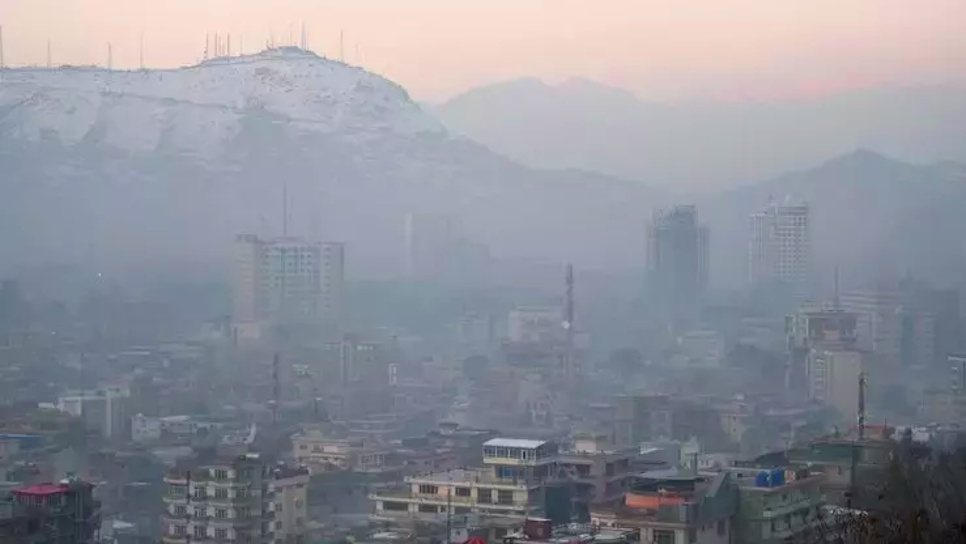
With winter’s arrival, a thick, hazardous haze has settled over Kabul, pushing air pollution to crisis levels and prompting urgent warnings from medical professionals about severe public health risks. Residents across the city report deteriorating air quality, visibly worsened by smoke and dust, which doctors directly link to a surge in respiratory and cardiovascular illnesses.
Medical Experts Detail a Growing Crisis
Physicians attribute the toxic air to a perfect storm of factors: the widespread burning of cheap, low-quality fuels for heating, a growing fleet of ageing, polluting vehicles, and the city’s high population density. This combination, they say, has created a dangerous environment with tangible consequences.
Dr. Mahmood Khan Zazai, a family medicine specialist at Sarwari Medical Complex, emphasized that Afghanistan is not immune to a global problem. “Air pollution poses numerous harmful effects on people’s health,” he stated. He explained that the seasonal shift to burning smoky fuels releases harmful gases, leading to increased cases of respiratory infections, aggravated asthma, heart disease, and elevated long-term cancer risks. He highlighted that children, whose lungs are still developing, and the elderly, often with pre-existing conditions, are especially vulnerable.
His advice to the public is stern: avoid unnecessary outdoor travel on highly polluted days, use protective masks designed to filter particulates, and crucially, refrain from using low-quality, smoke-emitting fuels at home.
Echoing these concerns, Dr. Nusratullah Arash, an internal medicine and allergy specialist, detailed the immediate symptoms caused by polluted air. “It contains dangerous gases and particulates that can trigger severe allergies, shortness of breath, dizziness, and persistent headaches,” he said. He joined the call for mask usage outdoors and urged families to seek alternatives to toxic heating materials.
Residents Despair Amid Economic Hardship
For Kabul’s citizens, the pollution is a daily, suffocating reality. Bibi Qudsia, a resident of Kheirkhaneh with pre-existing lung conditions, described a city shrouded in smog. “The air is so polluted that I experience severe shortness of breath and cannot go outside. Even medicine does not help,” she said, noting that visibility plummets, especially in the evenings.
The economic crisis underpins the environmental one. Shahbaz, a Kabul resident, pointed out the grim calculus of poverty: “The weak economic situation forces people to use coal, tyres, old blankets, and other polluting materials to heat their homes.” The increasing number of vehicles, often poorly maintained, further exacerbates the problem.
This desperate trade-off between warmth and health is embodied by Nabila, a mother of three from Kabul’s 8th police district. After her husband lost his job, their family resorted to burning plastic and old tyres for three consecutive winters. “I have no choice,” she lamented, hoping for rain to clear the air. Her plea was directed at authorities: “The government should take action and provide wood or coal to low-income families in winter, so they are not forced to burn poison.”
Fuel Sellers Confirm a Toxic Market
From the supply side, fuel seller Hamid confirmed that cheap coal is now the most popular heating fuel, as wood is unaffordable for most. He acknowledged a bitter truth: “Coal produces thicker, more harmful smoke than wood, further contributing to air pollution.”
Officials Report on Monitoring Efforts
In response to the escalating crisis, Ahmadullah Shirzad, Head of Monitoring at the National Environmental Protection Agency, outlined ongoing efforts to curb pollution. He stated that inspection teams work year-round, coordinating across Kabul and other major cities to identify polluting activities and enforce measures.
“Specific winter action plans are in place for Kabul,” Shirzad explained. This includes monitoring high-rise buildings with central heating systems to ensure they install standard filters. He reported that compliance has improved, with “almost all” such buildings and public bathhouses now equipped with filters.
Regarding transportation, Shirzad said smoke-belching vehicles are being taken off the roads until repaired, and there is a focus on ensuring fuel quality. “Based on this year’s experience, efforts will continue to reduce problems caused by low-quality fuels,” he added, signaling a recognition of the persistent challenge.
As Kabul’s winter deepens, the city finds itself trapped between an economic abyss and a health emergency, with its residents breathing the costly consequences daily.
Our Pashto-Dari Website


Support Dawat Media Center
If there were ever a time to join us, it is now. Every contribution, however big or small, powers our journalism and sustains our future. Support the Dawat Media Center from as little as $/€10 – it only takes a minute. If you can, please consider supporting us with a regular amount each month. Thank you
DNB Bank AC # 0530 2294668
Account for international payments: NO15 0530 2294 668
Vipps: #557320

Comments are closed.