

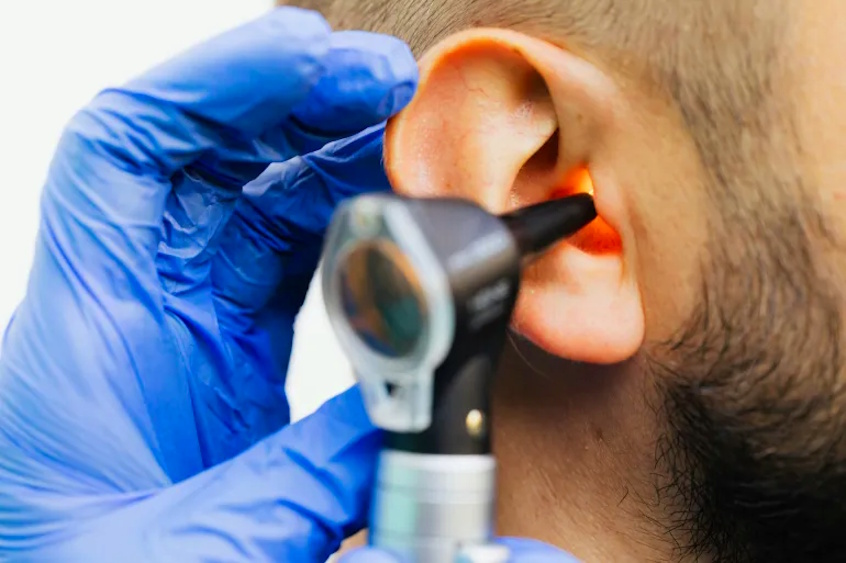
A scientific review published in the International Journal of Molecular Sciences has confirmed that earwax plays important protective roles inside the ear canal. It helps protect the ear from microbes, maintains moisture balance, and creates an internal environment that prevents the growth of bacteria and fungi.
The review, published in January of last year, analyzed scientific studies from the past 15 years, sourced from research databases such as PubMed, Web of Science, and Scopus.
How Earwax Works as a Self-Cleaning System
The review explains that earwax (medically known as cerumen) is made up of natural secretions and remnants of dead skin cells. It operates through an intelligent, continuous self-cleaning mechanism. With jaw movements during speaking or chewing, and as the skin inside the ear canal grows, old wax gradually migrates outward, carrying dust, small particles, and trapped microbes with it.
For this reason, most ears do not require frequent internal cleaning. The presence of a normal amount of earwax is actually a sign that the ear is performing one of its natural functions. It forms a protective layer that helps prevent dirt, water, and microbes from reaching the deep part of the ear canal.
Medical Experts Weigh In
Dr. Mousa Zayed, a consultant in otolaryngology (ear, nose, and throat), stated that the outer third of the ear canal contains glands that secrete wax, as well as a built-in self-cleaning mechanism that requires no external help. In an interview with Al Jazeera Net, he added that most people need no more than wiping the outer ear during ablution.
Similarly, Dr. Alaa El-Din Omar Ali Ghazi, an associate specialist in otolaryngology, explained to Al Jazeera Net that fine hairs inside the ear canal move involuntarily outward, gradually pushing old wax toward the ear opening, where it dries and falls out naturally. He warned that traditional cleaning methods can damage these protective hairs.
Antimicrobial Properties and Types of Earwax
The scientific review also points out that earwax contains natural components with antimicrobial properties, especially against bacteria and fungi. Some components may even help reduce the activity of certain viruses. Earwax also helps maintain an appropriate pH level inside the ear canal, preventing the growth of harmful microorganisms.
There are two main types of earwax:
-
Dry, brittle wax, yellowish or grayish in color, commonly found among people of Asian descent and Indigenous peoples of the Americas.
-
Wet, sticky, slippery wax, more common among people of African and European descent.
The review suggests that individuals with dry earwax may be less prone to ear infections compared to those with wet earwax.
Harmful Practices for Wax Removal
Problems begin when excessive hygiene turns into improper intervention. Inserting cotton swabs or household tools into the ear can push wax deeper, causing buildup and blockage. It can also lead to scratches or irritation of the delicate skin lining the ear canal, increasing the risk of infections.
The review notes that outer ear infections (otitis externa) may be linked to factors such as excess moisture and incorrect ear cleaning methods. Symptoms may include pain, itching, swelling, or discharge. Additionally, using hearing aids for long periods can disrupt the natural microbial balance inside the ear canal, making some individuals more susceptible to infections.
When Does Excess Earwax Require Medical Attention?
None of the above means ignoring excessive earwax buildup. Too much wax can cause tinnitus (ringing), hearing loss, or a sensation of ear blockage, and may sometimes contribute to infection. On the other hand, forcefully or frequently removing wax can deprive the ear of part of its natural protection.
Therefore, the review emphasizes that the correct approach to earwax is balance. A healthy ear naturally clears wax and requires intervention only if the wax causes symptoms or prevents the doctor from examining the ear clearly. Some people may need special follow-up, including the elderly, hearing aid users, and those who overproduce wax.
Warnings Against Traditional Removal Methods
Specialists have stressed that earwax removal should be performed safely by a healthcare provider using appropriate tools, and only when necessary. They warn against using traditional home methods.
Dr. Alaa El-Din Omar emphasized the need for medical consultation to determine whether earwax removal is needed. He cautioned against cleaning deep inside the ear at home, especially with cotton swabs or sharp objects, as a simple daily habit can turn into a cause of blockage or injury.
Dr. Mousa Zayed agreed, adding that using the corners of paper tissues also has risks: they can push wax inward, causing buildup, and may lead to external ear canal infections by altering the pH that protects the ear from bacteria and fungi.
Dr. Zayed noted that olive oil or similar substances should not be used unless before cleaning and after consulting a doctor. Dr. Alaa El-Din added that some of the largest pharmaceutical and medical device companies use olive oil in certain ear cleaning preparations, but he agreed with Dr. Zayed that a doctor’s advice is essential before using any medical preparation or natural olive oil.
Dr. Zayed also pointed out that inserting earbuds or hearing aids unnecessarily for long periods causes friction and skin inflammation, prevents wax from exiting, and pushes it inward. He confirmed that earwax is important for ear health, and the ear naturally sheds it, continuously replacing it with new wax.
Dr. Alaa added that medical centers use appropriate methods such as wax softeners, medical irrigation, or removal with specialized tools and devices. He affirmed that earwax is not an enemy to be constantly eliminated, but rather part of the body’s natural protection system. What requires medical intervention is not the presence of wax, but its accumulation to the point of causing harm or blockage.
Risks of Traditional Earwax Removal
The following complications can arise from improper ear cleaning:
-
Perforation of the eardrum and partial hearing loss
-
Increased risk of outer or middle ear infections
-
Pushing wax inward, causing ear canal blockage
-
Hearing loss due to impacted wax
-
Scratching the thin skin inside the ear canal or causing bleeding
-
Disruption of the natural balance of beneficial bacteria inside the ear
-
Weakening of the natural protective barrier against water, dirt, and microbes
-
Dizziness and balance disturbances in some cases
-
Tinnitus or a feeling of pressure inside the ear
-
Damage to the cilia and protective hairs inside the ear canal
-
Dryness and chronic itching of the ear
-
Skin irritation and recurrent infections due to excessive cleaning
Natural Benefits of Earwax (According to the American Academy of Otolaryngology)
-
Protects the ear from bacteria, viruses, and fungi
-
Prevents dust, dirt, and insects from entering the ear canal
-
Moisturizes the ear canal, preventing dryness and cracks
-
Naturally cleans the ear by pushing impurities outward
-
Maintains the natural balance of beneficial microbes inside the ear
-
Reduces the risk of outer ear infections
-
Protects the sensitive skin inside the ear canal from friction and irritation
-
Helps protect the ear from water and moisture
-
Reduces itching and irritation inside the ear
-
Maintains the natural acidic environment that limits germ growth
Our Pashto-Dari Website

Support Dawat Media Center
If there were ever a time to join us, it is now. Every contribution, however big or small, powers our journalism and sustains our future. Support the Dawat Media Center from as little as $/€10 – it only takes a minute. If you can, please consider supporting us with a regular amount each month. Thank you
DNB Bank AC # 0530 2294668
Account for international payments: NO15 0530 2294 668
Vipps: #557320

Comments are closed.