
Palestinian Action Prisoners on Extended Hunger Strike: Demands, Risks, and Broader Context

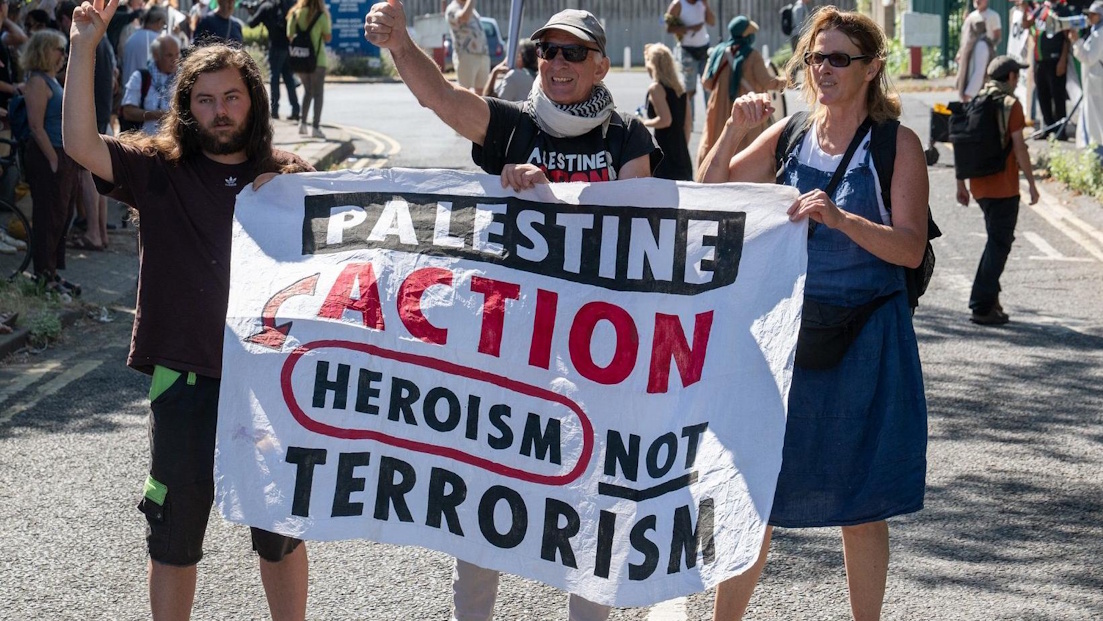
A prolonged and life-threatening hunger strike by six prisoners linked to the pro-Palestinian group Palestine Action has escalated into a significant political and humanitarian crisis in the United Kingdom. With warnings from hundreds of medical professionals that the strikers face imminent risk of death, calls for urgent government intervention are intensifying.
The Prisoners and Their Charges
The six individuals—Qesser Zuhrah, Amu Gib, Heba Muraisi, Teuta Hoxha, Kamran Ahmed, and Lewie Chiaramello (on a partial strike due to diabetes)—are aged between 20 and 31. They are accused of involvement in two direct actions in 2023: a break-in at the Bristol-area factory of Elbit Systems UK, Israel’s largest weapons manufacturer, and an incursion at an RAF base in Oxfordshire where two military aircraft were spray-painted red.
They face charges including burglary, criminal damage, and violent disorder, which they deny. Notably, several have been held in pre-trial detention for over a year, exceeding the standard six-month custody time limit in England and Wales.
The Five Core Demands
The hunger strikers have articulated a set of interconnected political and personal demands:
-
Immediate Granting of Bail: They argue their prolonged detention without trial is unjust and punitive.
-
The Right to a Fair Trial: This includes the disclosure of documents they believe would reveal a coordinated “witch-hunt” against Palestine Action and its supporters.
-
End to Prison Censorship: They allege authorities are withholding personal mail, limiting phone calls, and confiscating books, effectively isolating them.
-
De-proscription of Palestine Action: The group was officially designated as a “terrorist” organisation in July 2024, a label the strikers condemn as politically motivated and intended to stifle legitimate protest. They demand this designation be revoked.
-
Shut Down of Elbit Systems’ UK Operations: This is the foundational political demand, stemming from the belief that Elbit provides key weaponry used by Israel in Gaza and that the UK government is complicit in alleged war crimes by hosting its factories.
Deteriorating Health and Moral Appeal
The strike has passed a critical threshold, with several participants in severe medical decline:
-
Two strikers were hospitalized last week.
-
Amu Gib has reportedly lost over 10kg (22lbs). In a recorded message, he spoke of “a society that imprisons its conscience.”
-
Teuta Hoxha, on her 40th day of strike, suffers from low blood pressure, headaches, chest tightness, and shortness of breath. Her teenage sister has stated she feels weak, nauseous, and is “preparing to die.”
-
The longest-striking detainees have refused food for 45 days.
Their action is framed explicitly as solidarity with Palestinians in Gaza. They cite the high death toll and accuse Western governments of moral failure and abandonment.
Mounting Pressure and Official Response
The situation has triggered broad concern:
-
Medical Community: Over 800 doctors wrote to Justice Secretary David Lammy on December 18, warning of the “real and increasingly likely potential” that the strikers will die in prison unconvicted. They demanded twice-daily assessments, daily blood tests, and 24-hour medical cover.
-
Political Figures: More than 50 MPs have urged Lammy to meet with the prisoners’ lawyers. Labour MP John McDonnell voiced “real anxiety,” asking, “Why aren’t we intervening as a government?”
-
Public Campaign: A petition by Avaaz demanding intervention has garnered over 20,000 signatures.
Prison authorities, such as those at HMP Peterborough where Hoxha is held, maintain that all prisoners are managed according to standard policies and that complaint channels are available.
Historical Precedent: The 1981 Irish Hunger Strikes
The current crisis evokes the memory of the 1981 Irish Republican Army (IRA) hunger strikes in Northern Ireland. Republican prisoners, led by Bobby Sands, fasted to death demanding recognition as political prisoners, not ordinary criminals. The strike, which saw ten men die, became a pivotal moment in the Northern Ireland conflict, galvanizing nationalist sentiment.
This historical parallel is actively drawn by supporters. Former Irish republican hunger striker Tommy McKearney (who fasted for 53 days in 1980) and veteran civil rights campaigner Bernadette Devlin McAliskey attended a recent London assembly in solidarity with the Palestine Action prisoners, creating a direct link between these eras of protest.
Broader Context: Palestine Action and the “Terrorist” Designation
The stakes are heightened by the official proscription of Palestine Action as a terrorist group. Since the ban, over 1,600 arrests have been made in connection with the group. The designation, currently being challenged in court, empowers authorities with broader arrest and detention powers and fundamentally shapes the legal and public perception of the prisoners’ actions—which they view as civil disobedience against armaments manufacturing.
The hunger strikers and their supporters argue that the UK is criminalizing dissent against the war in Gaza and protecting a defense contractor implicated in a conflict that numerous human rights organizations and a UN inquiry have described as genocidal.
Looking Ahead
The situation presents the UK government with a difficult dilemma: intervene on humanitarian or procedural grounds and face accusations of capitulating to political pressure, or maintain the current course and risk fatalities in prison, which could trigger significant public backlash and further galvanize the Palestine solidarity movement.
As the prisoners’ health fails, the pressure for a political resolution grows. Their fast has become a stark embodiment of the domestic fractures caused by the war in Gaza, testing the limits of protest, pre-trial detention, and the state’s response to acts of conscience.
Our Pashto-Dari Website

Support Dawat Media Center
If there were ever a time to join us, it is now. Every contribution, however big or small, powers our journalism and sustains our future. Support the Dawat Media Center from as little as $/€10 – it only takes a minute. If you can, please consider supporting us with a regular amount each month. Thank you
DNB Bank AC # 0530 2294668
Account for international payments: NO15 0530 2294 668
Vipps: #557320

Comments are closed.