
HUNDREDS OF MIGRANTS RESCUED OFF GREEK ISLAND AS MEDITERRANEAN ARRIVALS RISE

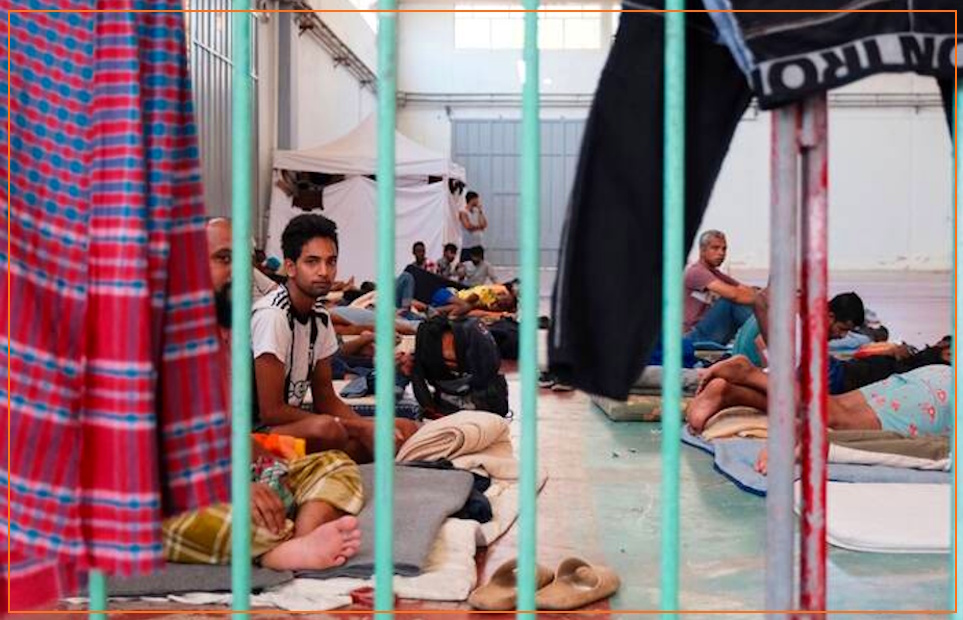
ATHENS — In one of the largest single rescue operations in recent months, the Greek Coast Guard saved approximately 545 migrants from a distressed fishing boat south of Crete on Friday. The vessel was located about 16 nautical miles off the remote island of Gavdos during a coordinated search and rescue mission.
According to an official Coast Guard statement, all passengers were found to be in good health. They are being transported to the port of Agia Galini on the larger island of Crete, where they will undergo medical checks and initial registration by Greek authorities and humanitarian agencies.
This incident underscores a significant shift in migration routes across the eastern Mediterranean. While Greece was the primary entry point for over a million refugees and migrants during the 2015-2016 crisis—many fleeing conflict in Syria, Afghanistan, and Iraq—flows had subsided in subsequent years. Recently, however, there has been a marked increase in arrivals on Crete and its southern satellite, Gavdos, the southernmost point of Europe. These islands are geographically closer to the Libyan coast than to the Greek mainland.
A Changing and Perilous Route
The central Mediterranean passage from North Africa to Italy remains the busiest and most deadly migration route into Europe. However, migration experts note a rising trend of boats departing from Libya and aiming for Greek territory, likely due to heightened patrols and interceptions farther west. This longer, more hazardous journey across open sea has raised alarms among aid groups.
“The sea route to Gavdos and Crete is extremely dangerous, especially for overcrowded, unseaworthy vessels,” said a spokesperson for the International Organization for Migration (IOM). “While we commend the successful rescue, we must remember that preventable tragedies and fatal shipwrecks remain common along all Mediterranean routes.”
EU Policy and Greek Response
The incident occurs amid ongoing debate over European Union migration policy. A new EU Pact on Migration and Asylum, designed to share responsibility among member states more evenly, is set to take effect in mid-2026. Under this pact, frontline states like Greece, Italy, Spain, and Cyprus will be eligible for increased support and a mechanism for relocating some arrivals to other EU countries.
The Greek government, led by center-right Prime Minister Kyriakos Mitsotakis, has taken a firm stance, emphasizing border protection and accelerated asylum procedures. A government official reiterated that “the deportation of those whose asylum claims are rejected will be a priority,” pointing to recently strengthened return agreements with several non-EU countries.
Human rights organizations, however, continue to express concern over allegations of illegal pushbacks at Greece’s sea borders—claims which Athens consistently denies. They argue that without more accessible and safe legal pathways, migrants and refugees will continue to embark on desperate voyages.
The new arrivals on Crete will join thousands of others currently accommodated in reception centers across Greece, awaiting the outcome of their asylum applications in an overstretched system, as Europe grapples with the enduring challenge of migration.
Our Pashto-Dari Website


Support Dawat Media Center
If there were ever a time to join us, it is now. Every contribution, however big or small, powers our journalism and sustains our future. Support the Dawat Media Center from as little as $/€10 – it only takes a minute. If you can, please consider supporting us with a regular amount each month. Thank you
DNB Bank AC # 0530 2294668
Account for international payments: NO15 0530 2294 668
Vipps: #557320

Comments are closed.