

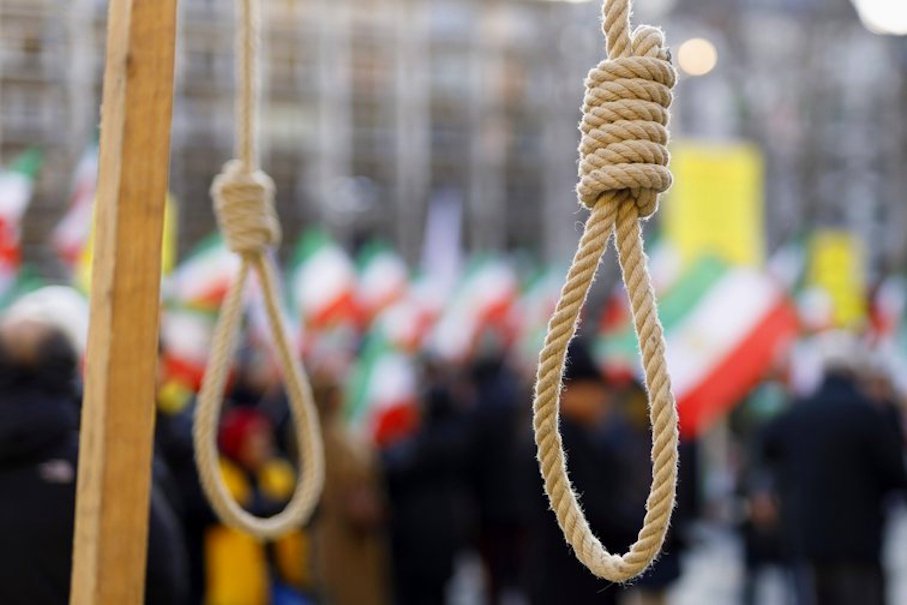
Four Afghan citizens were among at least 152 people executed in Iran last month, highlighting a dramatic intensification of capital punishment and a mounting crisis for refugees. The executions occurred as Iranian authorities accelerated both the death penalty and a program of mass deportations, leaving vulnerable Afghan communities caught between dire fates.
A Sharp and Alarming Increase
According to Iranian human rights organizations, the 152 executions recorded in November mark a 70 percent surge compared to the same period last year. This continued an escalation that has placed Iran perennially among the world’s top executioners. Among those executed were four women, underscoring the regime’s application of the death penalty across genders. While official charges cited for most executions involved murder or drug-related offenses, details surrounding the specific cases of the four Afghan nationals remain opaque, raising serious concerns about due process, fair trial standards, and potential political or discriminatory motivations.
A Dual Threat: Execution and Deportation
The spike in executions coincides with a harsh crackdown on undocumented migrants, primarily targeting Afghanistan’s refugee population. Iranian authorities have forcibly deported hundreds of thousands of Afghans in recent months, often abandoning them at the border in severe winter conditions without recourse to claim asylum or protection. For those remaining, the threat of execution adds a grave new dimension to their peril.
Human rights advocates condemn this twin-policy approach. “Afghans in Iran are trapped in an impossible situation,” stated a representative from the Hengaw Organization for Human Rights. “They face the risk of execution under Iran’s expanding death penalty regime or forcible return to a Taliban-ruled Afghanistan, where they may face persecution, hunger, or the same harsh punishments.”
A Regional Pattern of Severe Punishment
The crisis is not confined to Iran. In Afghanistan itself, the Taliban authorities continue to implement their own severe interpretation of Islamic law. Last week, officials in Khost province publicly executed a person convicted of murder, demonstrating the group’s commitment to corporal and capital punishment. This parallel trend points to a broader regional human rights emergency where the death penalty is applied with increasing frequency and limited judicial transparency.
International Appeal for Action
Refugee and human rights organizations are issuing urgent appeals for international intervention. They call for:
-
Increased diplomatic pressure on Iran to impose an immediate moratorium on executions, particularly for non-violent drug offenses and foreign nationals.
-
Scrutiny of Iran’s deportation practices as potential violations of the principle of non-refoulement, which prohibits returning refugees to territories where their lives or freedoms are threatened.
-
Enhanced humanitarian support and resettlement pathways for Afghan refugees at risk in Iran and across the region.
-
Independent investigations into the judicial processes leading to executions, especially in cases involving foreign nationals.
The executions of these four Afghans represent more than isolated tragedies; they are symptomatic of a rapidly deteriorating human rights environment that demands coordinated global attention and a robust response to protect countless vulnerable lives.
Our Pashto-Dari Website

Support Dawat Media Center
If there were ever a time to join us, it is now. Every contribution, however big or small, powers our journalism and sustains our future. Support the Dawat Media Center from as little as $/€10 – it only takes a minute. If you can, please consider supporting us with a regular amount each month. Thank you
DNB Bank AC # 0530 2294668
Account for international payments: NO15 0530 2294 668
Vipps: #557320

Comments are closed.