
Pakistan Reopens Key Border Crossings for UN Aid to Afghanistan Amid Stalled Bilateral Relations

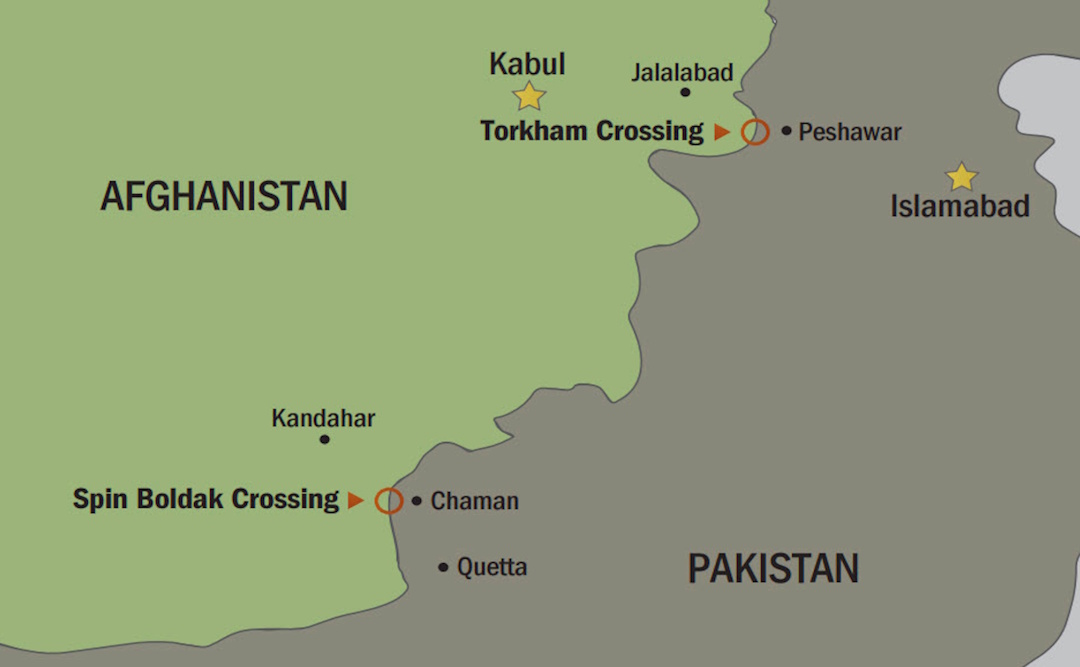
ISLAMABAD – Pakistan has conditionally reopened its two primary border crossings with Afghanistan for United Nations humanitarian aid shipments, ending a near two-month closure that had severely constrained the flow of vital supplies into the crisis-stricken nation. The move comes amidst a protracted diplomatic and security standoff between Islamabad and the Taliban-led government in Kabul.
Foreign Office spokesperson Tahir Andrabi confirmed on Thursday that the Torkham (Khyber Pakhtunkhwa) and Chaman (Balochistan) crossings have been partially reopened exclusively for UN aid consignments. He emphasized that the broader bilateral trade, normally comprising hundreds of trucks daily, remains suspended.
“We are facilitating the passage of humanitarian assistance on an exceptional basis, recognizing the urgent needs of the Afghan people,” Andrabi stated. “This is a distinct issue from the resumption of regular commercial trade, which remains under review.”
Logistical Framework for Aid Transit
To operationalize the decision, Pakistan’s Ministry of Commerce issued a formal directive to customs authorities. According to the notification, following coordination with the Ministry of Foreign Affairs, the government has approved a “phased and delay-free” transit for containers belonging to three UN agencies: the World Food Programme (WFP), UNICEF, and the United Nations Population Fund (UNFPA).
The directive was sent to the Member Customs (Operations) at the Federal Board of Revenue (FBR) in Islamabad and the Director General of Transit Trade in Karachi, instructing them to ensure streamlined clearance procedures at the specified border points.
Context of Closure and Escalating Tensions
The border crossings were shut approximately two months ago following a significant escalation in cross-border hostilities. Pakistani military forces conducted operations against suspected militant hideouts near the contested Durand Line, which Afghanistan does not recognize as an international border. The Afghan Taliban’s Islamic Emirate of Afghanistan (IEA) government condemned these actions as a violation of its sovereignty and launched retaliatory attacks.
The closure exacerbated an already dire economic situation in Afghanistan, where over half the population relies on humanitarian aid. It also disrupted a critical supply corridor for Afghan imports and exports, which traditionally rely heavily on transit through Pakistan.
Afghanistan’s Strategic Pivot and Diplomatic Stalemate
In response to the prolonged closure, Mullah Abdul Ghani Baradar Akhund, Afghanistan’s Deputy Prime Minister for Economic Affairs, publicly urged the nation’s business community to pivot away from dependence on Pakistani routes. He advocated for the increased use of alternative corridors, such as those through Iran (Chabahar port) and Central Asia.
“Pakistan has repeatedly used trade as a political tool, inflicting losses on our traders and economies,” Baradar asserted. He warned that the IEA would not intervene to solve future trade problems for businesses that continued to rely solely on Pakistani transit, signaling a potential long-term strategic reorientation.
Diplomatic efforts to resolve the broader crisis have so far proven fruitless. Multiple rounds of talks—including meetings in Qatar, Turkey, and most recently in Saudi Arabia—have failed to yield a breakthrough. Zabiullah Mujahid, the chief spokesperson for the IEA, attributed the failure of the Turkey talks to what he described as the “irresponsible behavior and lack of cooperation” from the Pakistani delegation, despite the IEA’s stated goodwill and mediator efforts. The outcome of last week’s discussions in Saudi Arabia remains undisclosed.
Analysis and Outlook
The selective reopening for UN aid underscores a delicate balancing act by Pakistan. It aims to address international pressure and humanitarian concerns regarding Afghanistan while leveraging border control as a key point of pressure in its disputes with the Taliban regime. Core issues fueling the tension include Islamabad’s allegations that Kabul harbors militants, particularly from the Tehrik-e-Taliban Pakistan (TTP), who launch attacks into Pakistan, and ongoing disputes over the formal status of the border.
Humanitarian organizations have welcomed the limited reopening but stress it is insufficient. “While this is a positive step for life-saving aid, the suspension of commercial trade is devastating for the Afghan economy and risks deepening the humanitarian crisis,” a UN official noted on condition of anonymity.
The situation remains fluid, with the partial reopening representing a tentative step rather than a comprehensive resolution. The future of Pakistan-Afghanistan relations, and the stability of this crucial regional trade and aid corridor, hinges on resolving underlying security and political grievances that have brought ties to a historic low point.
Our Pashto-Dari Website

Support Dawat Media Center
If there were ever a time to join us, it is now. Every contribution, however big or small, powers our journalism and sustains our future. Support the Dawat Media Center from as little as $/€10 – it only takes a minute. If you can, please consider supporting us with a regular amount each month. Thank you
DNB Bank AC # 0530 2294668
Account for international payments: NO15 0530 2294 668
Vipps: #557320

Comments are closed.