Iranian Foreign Minister Abbas Araghchi told state TV the talks marked a “good start to the negotiations” and that there was an “understanding on continuing the talks.” However, he reiterated Tehran’s position that “any dialogue requires refraining from threats and pressure,” and stressed that Iran would only discuss its nuclear program, not its ballistic missiles or regional activities.
Omani Foreign Minister Badr al-Busaidi described the talks as “very serious,” with outcomes to be reviewed in both capitals before reconvening.
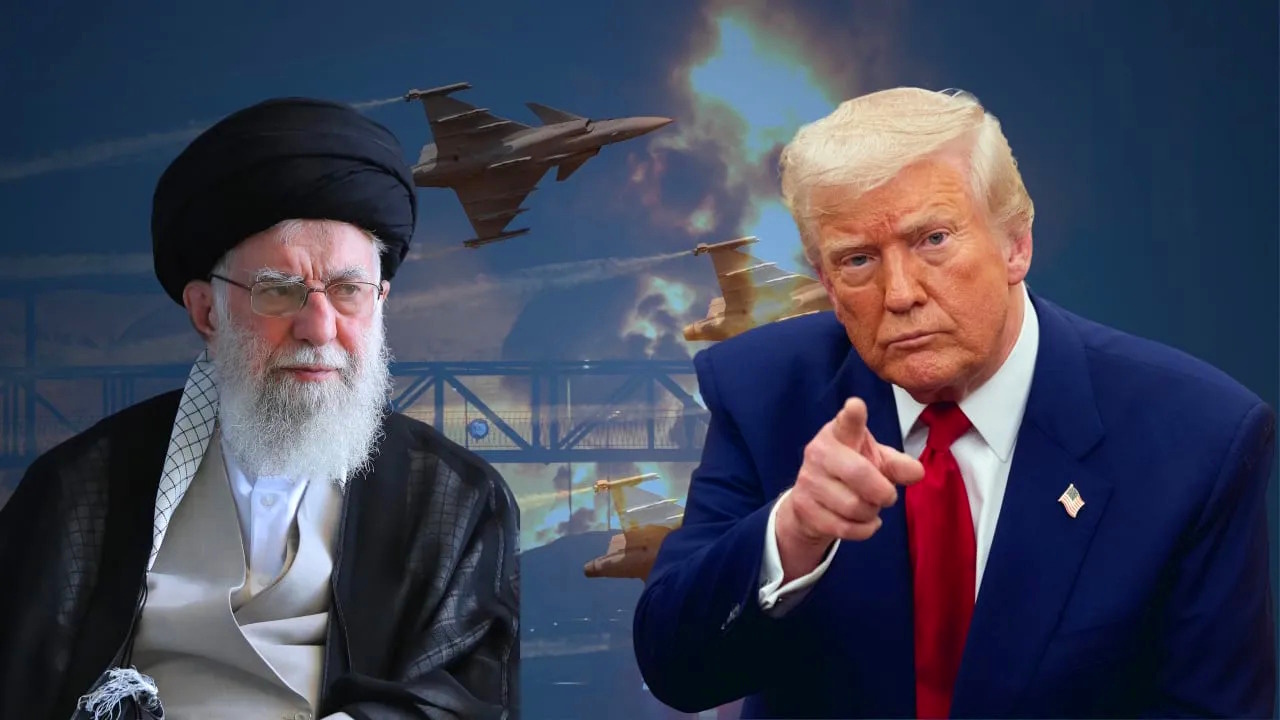
The discussions occur against a backdrop of deep mutual distrust and heightened military posturing. The U.S. has recently bolstered naval forces in the region, following what it called a “massive armada” deployment. Iranian leaders remain wary of potential U.S. military action.
Diverging Agendas
The U.S. has sought to broaden negotiations to include Iran’s ballistic missile program, its support for regional armed groups, and its human rights record. Iranian officials have consistently rejected discussing what they call their “defense capabilities.”
In a show of defiance hours before the talks, Iranian state TV broadcast the deployment of an advanced ballistic missile at an underground base. Conversely, Iranian officials have signaled some flexibility on uranium enrichment, suggesting possible solutions like transferring enriched material abroad or accepting a consortium model.
Sanctions and Pressure
Moments after the talks concluded, the U.S. announced new sanctions aimed at curbing Iran’s oil exports, targeting 14 vessels and several entities and individuals. A State Department spokesman said the move was part of the “maximum pressure campaign” to limit Tehran’s revenue for “destabilizing activities.”
The 2015 nuclear deal between Iran and world powers collapsed after the U.S. withdrew in 2018 and reimposed sanctions. Iran demands sanctions relief as a precondition for any new agreement.
World powers and regional states fear a collapse in diplomacy could trigger a broader conflict. Israel has repeatedly labeled Iran’s nuclear and missile programs as existential threats.
The talks in Oman represent a tentative step toward dialogue, but core disputes over sanctions, the scope of negotiations, and regional security remain unresolved.





Comments are closed.