

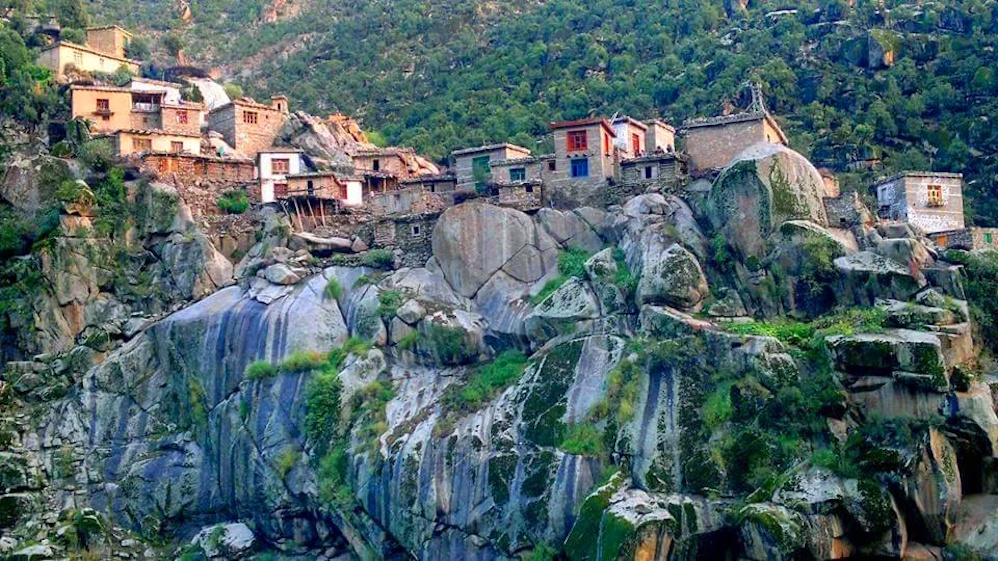
Around 100,000 people in the remote Nuristan districts of Barg-e-Matal and Kamdesh have been completely cut off from humanitarian assistance, the U.N. Office for the Coordination of Humanitarian Affairs (OCHA) reported on Monday. The disruption persists even as active fighting between Pakistani and Afghan forces along the contested border has seen a relative decline. The warning underscores a troubling reality: even reduced levels of cross-border violence can still cripple civilian access to food, medicine, and emergency relief.
According to OCHA, access to the two districts is technically possible via a road running from Nari district in neighboring Kunar province. However, this route has become unusable for both civilians and aid organizations due to sporadic but persistent firing from across the border. Local Taliban officials in Nuristan have previously confirmed shooting along the same corridor, reinforcing fears that ongoing insecurity is effectively strangling one of the few viable lifelines into this rugged, mountainous region.
The U.N. agency warned that with roads into Nuristan now effectively blocked, residents are struggling to reach local markets and health services, facing severe shortages of food and medical supplies. The situation is particularly alarming because Barg-e-Matal and Kamdesh rank among Afghanistan’s most isolated districts communities there often depend on a handful of fragile supply routes even during periods of relative stability.
Residents and tribal elders from both districts have told Afghan media that access to the provincial center has been severed for about a month due to Pakistani firing, and that essential food stocks are already running dangerously low. Some elders warned that if the situation continues without a practical response, communities may be forced to seek assistance from across the border simply to survive a move that could carry its own political and security risks.
Local authorities in Nuristan said last week that efforts were underway to open alternative routes for movement and aid deliveries. However, it remains unclear how quickly those routes can be made operational, given the difficult terrain and unstable security conditions. Aid groups have repeatedly warned that further delays in restoring access could rapidly deepen hunger and medical risks for families already living on the edge.
The humanitarian disruption comes as Afghanistan and Pakistan continue China-mediated talks aimed at easing the most serious cross-border conflict between the two sides in years. While both governments have signaled support for dialogue, repeated flare-ups and intermittent shelling have continued to affect civilians in eastern Afghan border provinces, including Kunar and Nuristan. Analysts note that even diplomatic progress has so far failed to translate into reliable safety for border-area residents.
The U.N. warning from Nuristan highlights a broader lesson: even when front-line violence eases, its humanitarian effects can linger long after the guns quiet down. Unless safe access is restored soon, the remote communities of Barg-e-Matal and Kamdesh may face a worsening emergency driven not only by active conflict but by isolation itself—trapped between a volatile border and an ever-dwindling stock of supplies.
Our Pashto-Dari Website
Support Dawat Media Center
If there were ever a time to join us, it is now. Every contribution, however big or small, powers our journalism and sustains our future. Support the Dawat Media Center from as little as $/€10 – it only takes a minute. If you can, please consider supporting us with a regular amount each month. Thank you
DNB Bank AC # 0530 2294668
Account for international payments: NO15 0530 2294 668
Vipps: #557320

Comments are closed.