

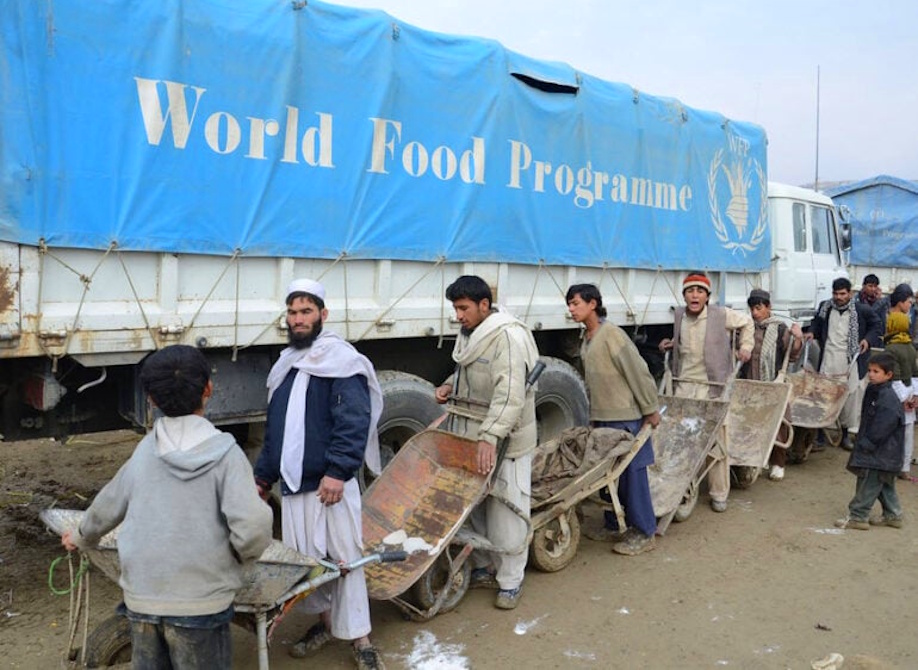
KABUL / NEW YORK – A severe drought across northern and western Afghanistan has affected at least 3.4 million people, destroying crops and livestock while driving a sharp rise in food prices, UN agencies have warned. The crisis is being compounded by global supply route disruptions, pushing the country deeper into a humanitarian emergency.
Drought Worsens Existing Crisis
According to the UN Office for the Coordination of Humanitarian Affairs (OCHA), the 2025 drought has inflicted widespread damage on agricultural lands and rural livelihoods. Families that depend on farming and animal husbandry are now struggling to secure enough food or income.
“The drought has damaged crops, livestock and livelihoods, leaving many families struggling to secure food and income, particularly in rural areas heavily dependent on agriculture,” OCHA reported.
Aid partners, supported by the Afghanistan Humanitarian Fund, are currently providing food assistance on the ground. However, OCHA warned that urgent additional support is needed to prevent further deterioration.
Food Prices Jump by Nearly 50%
The crisis is being dramatically worsened by rising food prices. The World Food Programme (WFP) reports that staple goods now cost up to 47% more than they did last year, placing basic items such as wheat, cooking oil, and pulses beyond the reach of countless households.
Afghanistan remains highly vulnerable to climate shocks. Recurring droughts, water shortages, and erratic weather patterns continue to undermine food production, increasing the population’s dependence on humanitarian aid. Years of economic decline and political instability have eroded traditional coping mechanisms, leaving millions exposed to hunger, displacement, and severely limited access to basic services.
Aid agencies warn that without sustained funding and a coordinated international response, the situation could worsen further, especially as climate pressures and economic hardship increasingly intersect.
Hormuz Crisis Disrupts Supply Routes, Raises Costs
In a separate but compounding development, the WFP says food prices have risen an additional 20 percent amid the ongoing crisis in the Strait of Hormuz a vital maritime chokepoint for global grain and oil shipments.
John Aylieff, WFP Country Director in Afghanistan, told The Guardian on Monday (May 4) that transportation of food supplies to Afghanistan is now taking roughly three weeks longer than usual. Rising fuel prices, driven by regional tensions, have significantly increased logistics and transport costs.
“The cost of delivering humanitarian food assistance to Afghanistan has tripled due to the disruption,” Aylieff said, placing millions of vulnerable people at greater risk of losing access to essential aid.
He warned that if the situation continues, it could lead to widespread hunger, particularly among children, and may even result in preventable deaths.
Rerouted Shipments, Longer Corridors
Aylieff further explained that shipments of fortified biscuits a critical nutritional resource for malnourished children were previously transported through the Strait of Hormuz. These shipments are now being rerouted through overland corridors passing through seven different countries, making deliveries longer, more expensive, and logistically far more complex.
The disruption comes amid heightened tensions in the region involving the United States, Israel, and Iran, which have led to rising global oil prices, broader trade disruptions, and increased costs for basic food commodities worldwide.
Call for Immediate Action
With the twin shocks of climate-induced drought and supply chain disruption, Afghanistan’s humanitarian crisis is reaching a critical threshold. Aid agencies are urging donor nations to release funding swiftly and to support alternative overland and regional supply routes to prevent a full-scale famine.
“As the lean season approaches, we are racing against time,” Aylieff added. “Without immediate intervention, the most vulnerable especially children will pay the highest price.”
Our Pashto-Dari Website

Support Dawat Media Center
If there were ever a time to join us, it is now. Every contribution, however big or small, powers our journalism and sustains our future. Support the Dawat Media Center from as little as $/€10 – it only takes a minute. If you can, please consider supporting us with a regular amount each month. Thank you
DNB Bank AC # 0530 2294668
Account for international payments: NO15 0530 2294 668
Vipps: #557320

Comments are closed.