

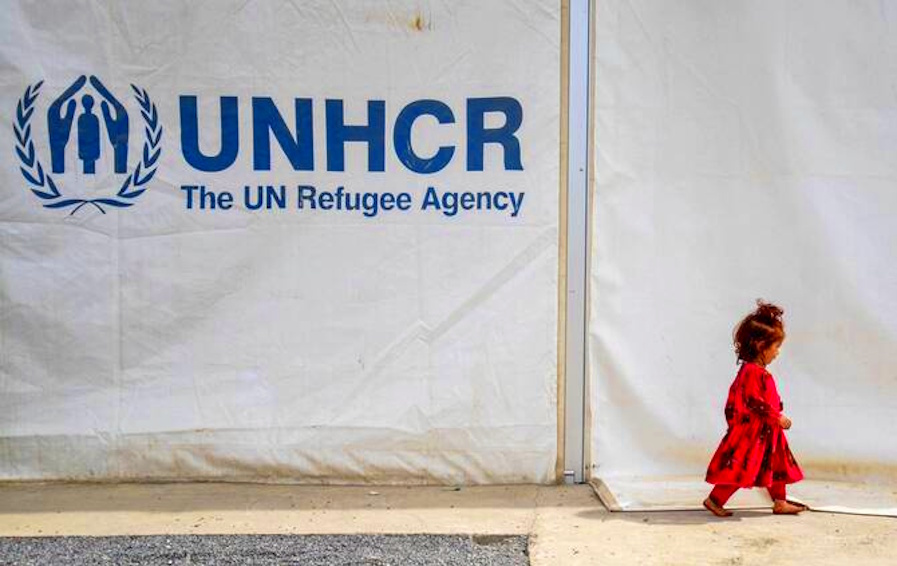
The United Nations and its humanitarian partners on Tuesday launched a US$529 million response plan to support an estimated 2.7 million Afghan returnees expected to arrive from Iran and Pakistan between April and December 2026, amid growing concerns over Afghanistan’s worsening humanitarian crisis.
The newly unveiled 2026 Response Plan for Afghan Returnees is designed to provide both immediate emergency assistance at border crossings and longer-term reintegration support for Afghans returning to communities across the country.
According to UN officials, nearly 5.9 million Afghans have returned from neighboring countries since September 2023, including 2.9 million in 2025 alone and another 600,000 during the first four months of 2026. The scale and pace of returns, officials say, are placing unprecedented pressure on Afghanistan’s already fragile infrastructure, economy, and social services.
“This is not a short-term border event. It is a profound demographic and development challenge,” said Tajudeen Oyewale, warning that insufficient international funding could deepen poverty, trigger internal displacement, and heighten social tensions in vulnerable communities struggling to absorb large numbers of returnees.
Of the total funding appeal, approximately US$100 million has been earmarked for emergency border assistance, including food distribution, healthcare services, temporary shelter, transportation support, cash assistance, and protection services for vulnerable individuals.
The remaining US$428 million will focus on helping returnees rebuild their lives through housing, education, healthcare access, clean water systems, and livelihood opportunities across 35 high-priority districts identified as key areas for reintegration.
Oyewale noted that more than half of the returnees are women and children, many of whom were born and raised outside Afghanistan and have little or no connection to their areas of origin. This presents additional challenges related to social integration, education enrollment, access to documentation, and economic stability.
The response plan comes as Iran and Pakistan have intensified deportations and forced returns of undocumented Afghan nationals over the past two years, accelerating a migration crisis that has overwhelmed border reception centers and placed additional strain on local authorities.
Humanitarian agencies have repeatedly warned that Afghanistan is facing one of the world’s most severe humanitarian emergencies, with widespread unemployment, chronic food insecurity, collapsing public services, and sharply declining international assistance following years of political and economic instability.
Aid organizations also cautioned that persistent funding shortages could undermine emergency operations, just as thousands of vulnerable Afghans continue crossing into the country each day through major border points, many arriving with little more than the clothes they are wearing.
UN officials urged donor nations to increase financial support, stressing that without urgent international action, Afghanistan risks facing a deeper humanitarian and social crisis in the months ahead.
Our Pashto-Dari Website

Support Dawat Media Center
If there were ever a time to join us, it is now. Every contribution, however big or small, powers our journalism and sustains our future. Support the Dawat Media Center from as little as $/€10 – it only takes a minute. If you can, please consider supporting us with a regular amount each month. Thank you
DNB Bank AC # 0530 2294668
Account for international payments: NO15 0530 2294 668
Vipps: #557320

Comments are closed.