
Rights Groups Warn New Marriage Rules Could Increase Child Marriage Risks in Afghanistan

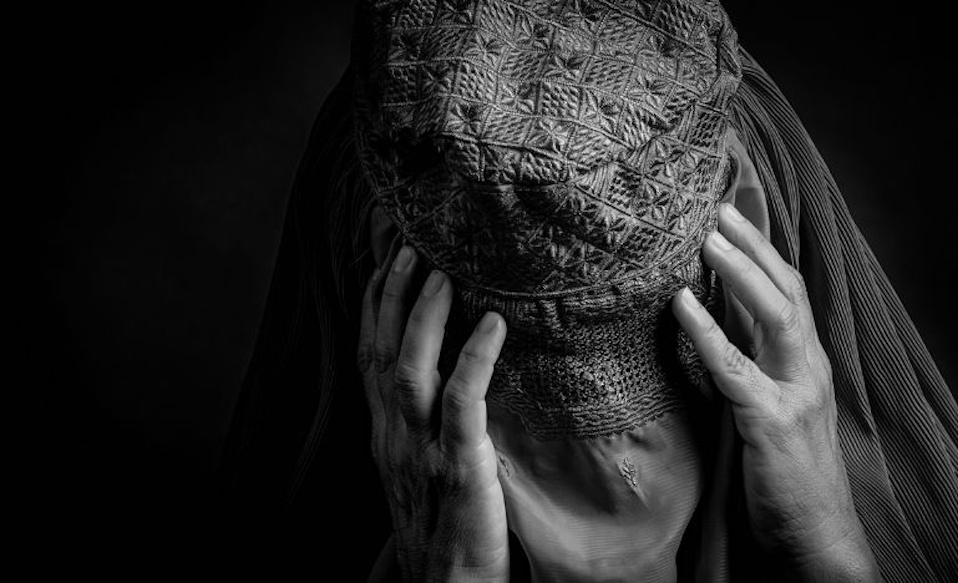
A coalition of international human rights and women’s rights organizations has raised serious concerns over recently introduced marriage-related regulations in Afghanistan, warning that the measures could effectively legitimize child marriage and further erode protections for women and girls under Taliban rule.
In a joint statement released on Saturday, the groups said the Taliban’s so-called “separation of spouses” regulations formally acknowledge marriages involving minors and risk normalizing practices that violate internationally recognized child protection standards.
The organizations argued that Article 5 of the regulations is particularly troubling, as it appears to provide legal recognition to marriages involving underage children. According to the statement, this risks exposing children to long-term physical, psychological, and social harm, while reducing them to instruments of family, social, or tribal arrangements.
Human rights defenders also criticized provisions that reportedly prevent individuals from annulling marriages once they reach adulthood if those marriages were arranged during childhood. Activists say this effectively removes a key safeguard that would allow young people to reject decisions made on their behalf by guardians or family members.
Another point of concern is a clause that, according to rights groups, could be interpreted as treating silence from an unmarried young woman as consent. Activists warn that such interpretations could increase the risk of forced marriages and significantly weaken protections against coercion, particularly in rural and conservative communities where social pressure is already strong.
The statement further highlights procedural imbalances in marital dispute cases, alleging that the regulations place a disproportionate burden of proof on girls and women while granting stronger evidentiary value to a husband’s oath. Critics argue this could make it significantly harder for women and girls to access justice or challenge abusive or forced marital arrangements.
The signatories of the statement have called on the United Nations, UNICEF, and the UN Special Rapporteur on the situation of human rights in Afghanistan to take urgent action and closely monitor the implications of the regulations.
Since returning to power in 2021, the Taliban have introduced a series of restrictions affecting women and girls in Afghanistan, including bans on secondary and higher education for girls, limitations on employment, and increased restrictions on freedom of movement and public participation.
International rights organizations and UN agencies have repeatedly warned that the country is facing one of the most severe women’s rights crises globally, with growing reports of early and forced marriages, reduced access to education, and weakening legal protections under the current system.
The Taliban administration has defended its policies as being consistent with its interpretation of Islamic law. However, rights advocates and many international observers argue that the measures contradict established human rights norms and disproportionately harm women and children, particularly in vulnerable and low-income communities.
The latest criticism comes amid ongoing humanitarian warnings that worsening economic conditions, displacement, and shrinking access to education are increasing the vulnerability of Afghan girls to early and forced marriage across the country.
Our Pashto-Dari Website
Support Dawat Media Center
If there were ever a time to join us, it is now. Every contribution, however big or small, powers our journalism and sustains our future. Support the Dawat Media Center from as little as $/€10 – it only takes a minute. If you can, please consider supporting us with a regular amount each month. Thank you
DNB Bank AC # 0530 2294668
Account for international payments: NO15 0530 2294 668
Vipps: #557320

Comments are closed.